The events of February–March 2026 have forever erased the previous security architecture of Eurasia. What began as a series of proxy conflicts and targeted operations has transformed into the largest direct military confrontation in the region since the Gulf War.
The Middle East has been drawn into a multi-level war where the stakes are raised to the maximum: from the survival of political regimes to the control over key global energy arteries.
The analytical department of Report.az identifies three main theaters of military operations, each with its own destructive potential for the global economy:
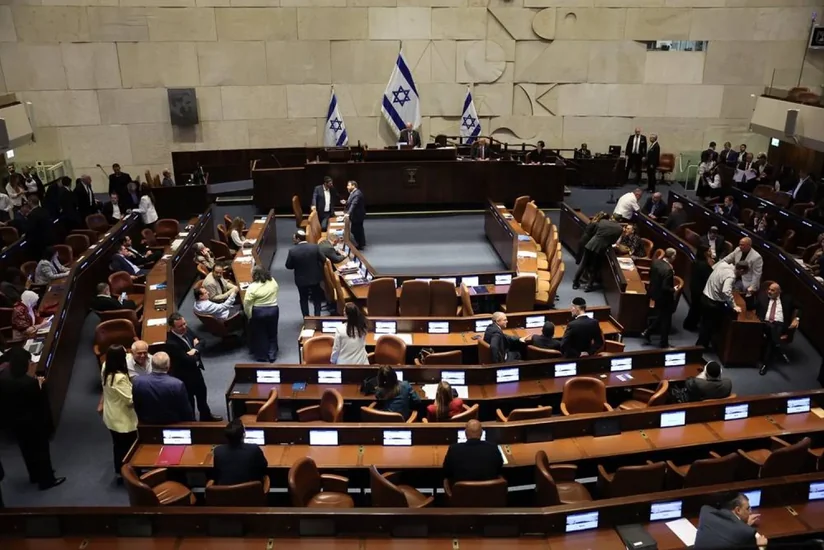
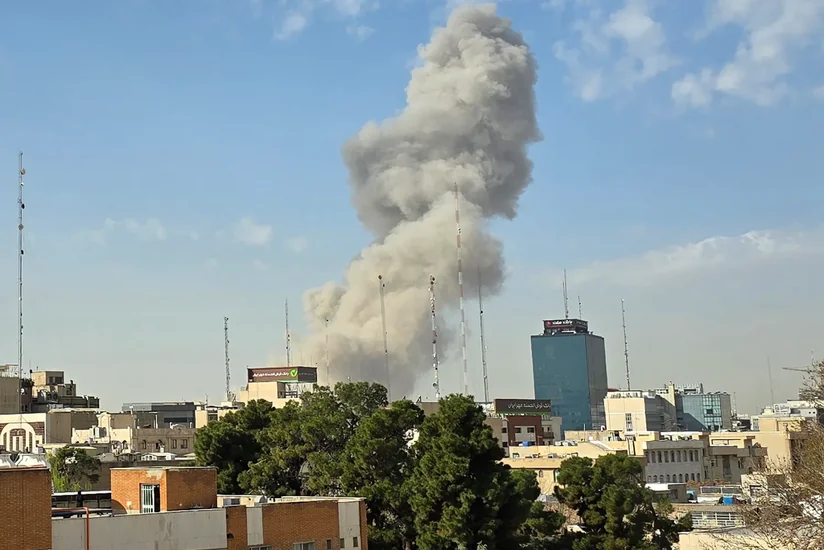
The morning of February 28, 2026, became the point of no return. A direct attack by the Israeli Air Force, supported by the US Central Command (CENTCOM), on strategic, nuclear, and government facilities in Iran led to the paralysis of the Iranian air defense system and significant losses within the IRGC leadership.
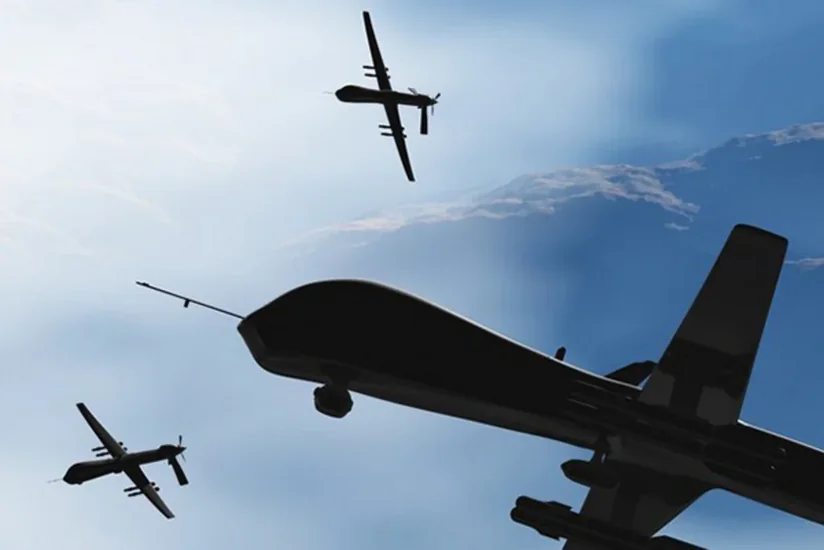
Coalition Tactics: The use of overwhelming air superiority (F-35 stealth aviation) and electronic warfare to destroy ballistic missile and centrifuge production plants (Natanz, Isfahan).
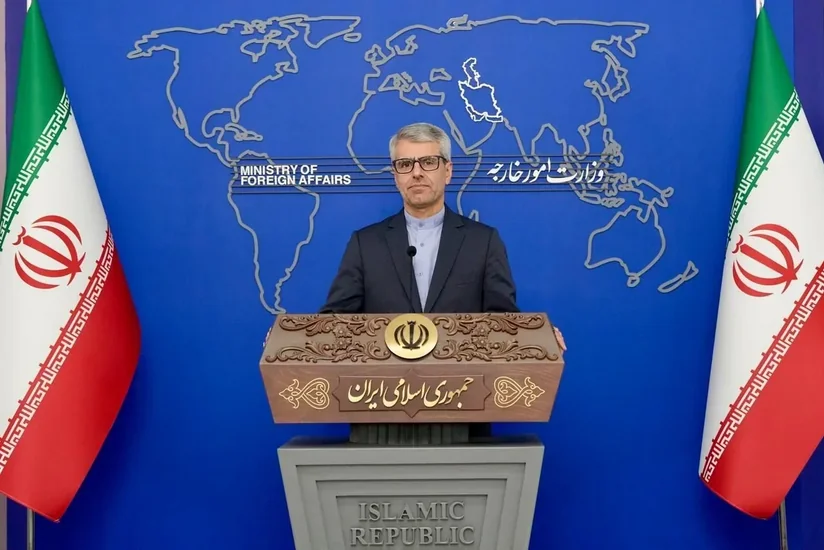
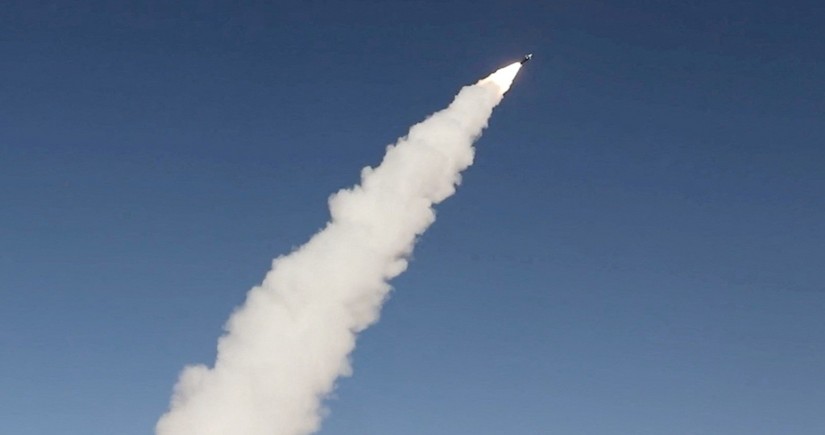
Tehran's Response: The launch of over 1,200 missiles at Israeli territory and American bases in the Persian Gulf. A transition to asymmetric warfare and a "death by a thousand cuts" strategy through cyberattacks and the activation of sleeper cells.
Amidst the missile duels with Iran, Israel made a radical decision to redraw its northern borders. Under the leadership of Defense Minister Israel Katz, the IDF launched a full-scale ground occupation of southern Lebanon.
Objective: The creation of a continuous buffer zone up to the Litani River (about 10% of Lebanese territory) to completely eliminate rocket fire on Israeli cities by the Hezbollah movement.
Consequences: The destruction of civilian infrastructure (bridges, roads) south of the Litani, a severe humanitarian crisis, and the emergence of hundreds of thousands of new refugees fleeing to Beirut and Syria.
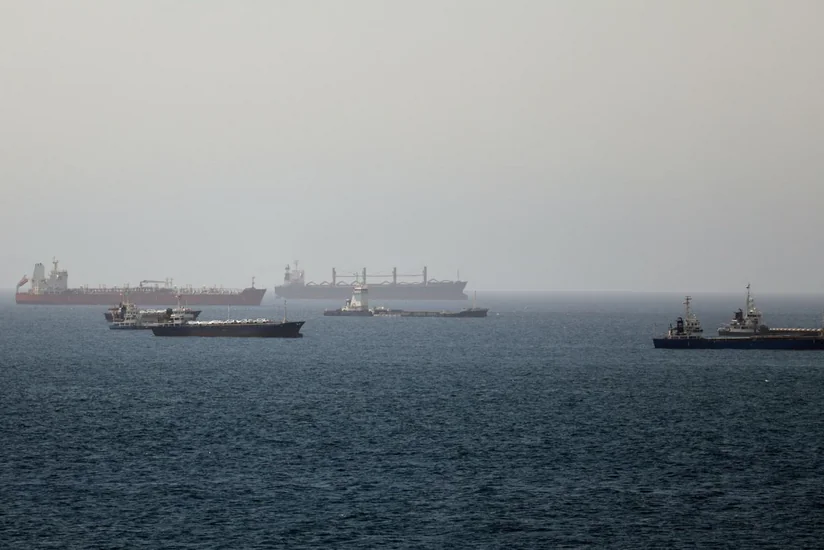
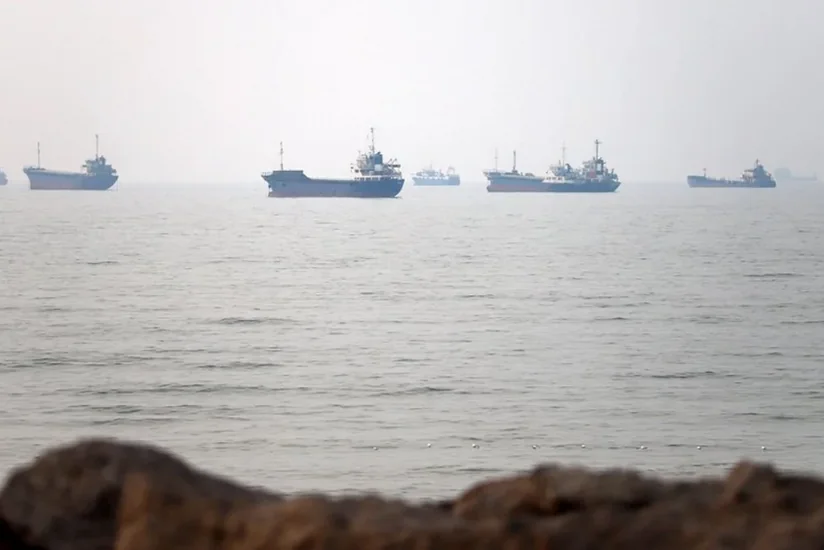
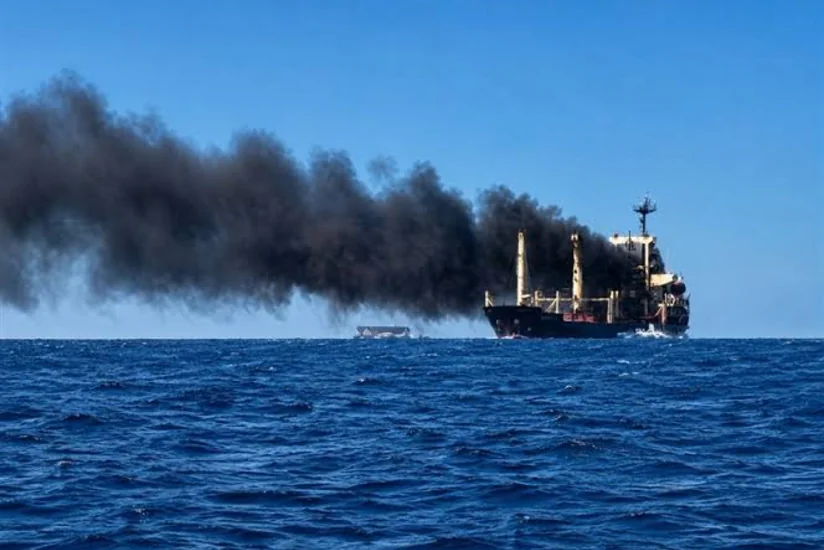
The waters of the Red Sea, the Bab-el-Mandeb, and the Strait of Hormuz have turned into free-fire zones. Yemen's Houthis and the IRGC Navy have de facto blocked the passage of any commercial vessels associated with Western coalition countries.
The 2026 escalation dealt a devastating blow to global markets. The paralysis of global governance institutions (including a G20 split into two camps) has stripped the global economy of crisis-containment mechanisms.
Macroeconomic Marker Status as of Spring 2026 Global Impact Oil (Brent) Above $115–118 per barrel. Threat of global stagflation. Slowdown in the economic growth of the EU and China due to surging energy costs. Gold (XAU/USD) Consolidating at historic highs (above $2,580 per ounce). Capital flight from risky assets. Massive purchasing of physical metal by Central Banks of the Global South (de-dollarization). Defense Sector Unprecedented growth in military-industrial complex stocks. Critical shortage of missile defense systems (e.g., Patriot PAC-3 MSE). A global arms race. Western military factories transitioning to 24/7 operations.While the Middle East is engulfed in flames, the foreign policy architecture of official Baku demonstrates utmost resilience. For Azerbaijan, the crisis shapes two strategic realities:
The Indispensability of the Middle Corridor: Due to the blockade of the Suez Canal and the Strait of Hormuz, the Trans-Caspian International Transport Route (TITR), passing through Azerbaijan, has become the primary and safest overland artery connecting the markets of Asia and Europe. Freight traffic through the Port of Baku is breaking historic records.
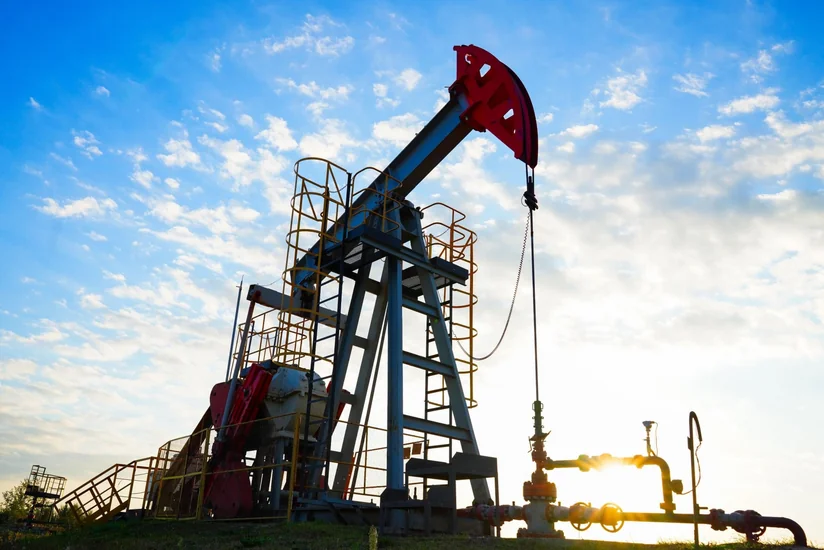
Energy Pragmatism: Amidst supply disruptions from the Middle East, Azerbaijani oil (the ACG block) and gas (the Southern Gas Corridor) acquire critical importance for Europe's energy security. This allows Baku to secure highly lucrative long-term contracts, directing windfall revenues into the Karabakh Revival Fund.
Spring 2026 has marked the end of the era of "managed conflicts." The Middle East has crossed a threshold beyond which a return to the status quo is impossible. The outcome of this confrontation will not only define the new borders of states in the region but will also finalize the contours of a new, multipolar world order.

 Baku 24° C