Cybercrime refers to illegal activities conducted using computers, computer networks, or other internet-connected devices. One of the most widespread and dangerous forms of this threat is cyber fraud—the theft of financial assets or confidential personal data through deception in a digital environment.
According to international information security experts, by 2026, the damage inflicted on the global economy by cybercrimes has reached trillions of dollars. Today, hackers and scammers are no longer just lone enthusiasts; they are highly organized transnational criminal syndicates that utilize advanced technologies, including artificial intelligence, in their illegal activities.
The technologies used by malicious actors are continuously improving. Classic scam schemes have evolved, becoming highly personalized and increasingly difficult to detect:
Social Engineering and Vishing: Psychological manipulation of the victim. Criminals call posing as security personnel from a bank, police, or government agencies. Their goal is to intimidate the person ("someone is trying to transfer money from your account") and force them to voluntarily dictate SMS codes, passwords, or transfer funds to a "safe account."
Phishing and Smishing: Mass distribution of emails or SMS messages containing malicious links. These links lead to clone websites of popular services (email providers, online banking, marketplaces). By entering their logins, passwords, or bank card details there, the user hands them directly over to the criminals.
Deepfake Fraud (AI Scams): The major trend of recent years. Using neural networks, attackers clone the voices and video images of real people (relatives, friends, or company executives). The victim receives a voice or video message in a messenger app urgently requesting a money transfer from a person whose voice they know perfectly well.
Ransomware: Malicious software that encrypts files on a user's device or blocks access to the operating system, demanding a ransom (most often in cryptocurrency) to restore access.
For Azerbaijan, a state with a dynamically developing digital economy and high internet penetration, the issue of cybersecurity is particularly acute.
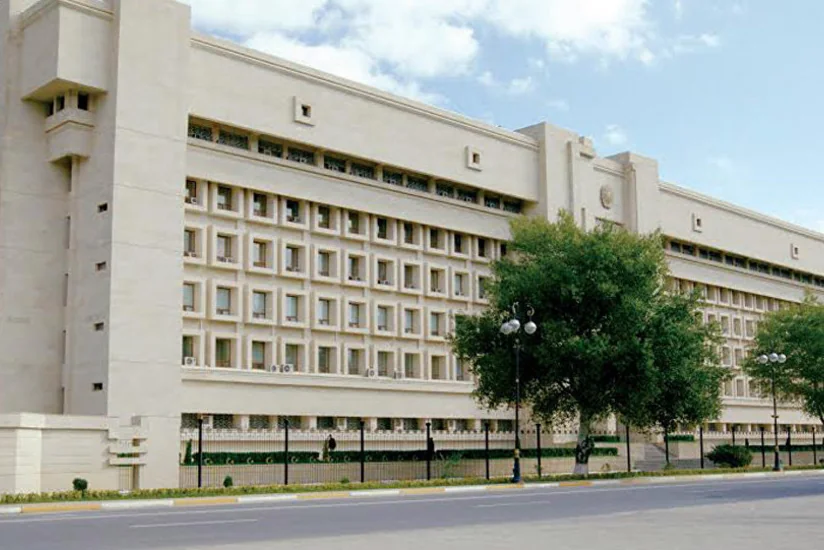
The State Service of Special Communication and Information Security, as well as the Ministry of Internal Affairs (MIA) of Azerbaijan, regularly record new waves of cyberattacks targeting citizens. The following schemes are particularly prevalent in the region:
The creation of fake social media pages mimicking local commercial banks, promising preferential loans.
The distribution of fraudulent messages on behalf of postal services (e.g., Azerpoct) demanding the payment of a small delivery fee via a malicious link.
Scams on online classified platforms (Tap.az, Bina.az), where fake buyers send phishing links to sellers under the guise of arranging safe delivery or transferring an advance payment.
In an environment where social engineering methods are becoming increasingly sophisticated, the technical protection offered by antivirus software is no longer enough. A user's security directly depends on their vigilance and adherence to the rules of "digital hygiene":
Two-Factor Authentication (2FA): Enable this across all messengers (WhatsApp, Telegram), social networks, and banking applications. This creates an additional barrier even if scammers manage to find out your password.
Information Distrust: Never share codes from SMS and push notifications, the three-digit CVV code on the back of your card, or PIN codes with anyone. Genuine bank employees never ask for this information.
URL Verification: Before entering your card details, carefully check the website's address bar. Phishing resources often differ from the originals by just one or two barely noticeable letters.
Skepticism Towards AI: If a close person or colleague asks for money via a voice message or a strange video call, be sure to call them back via standard cellular connection to verify the information.
Cyber fraud is a crime that feeds on panic, haste, and a lack of awareness. Maintaining calmness and applying critical thinking remain the primary weapons against digital criminals.

 Baku 25° C