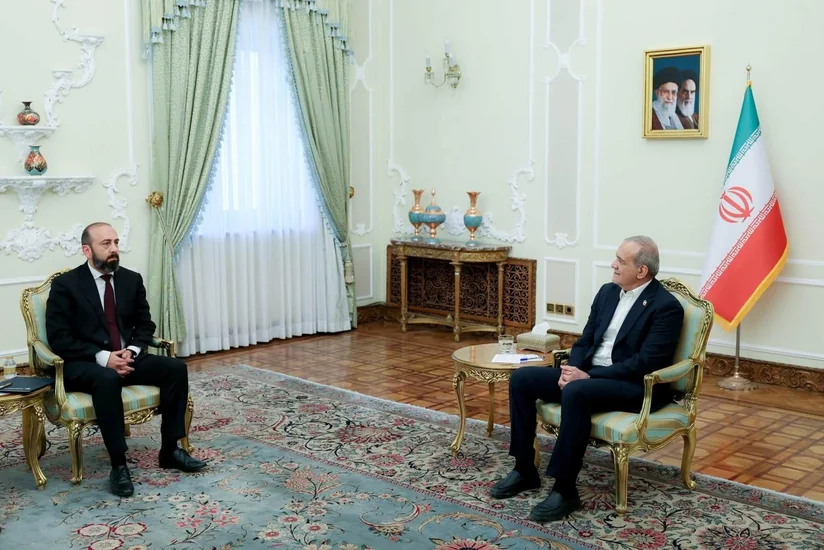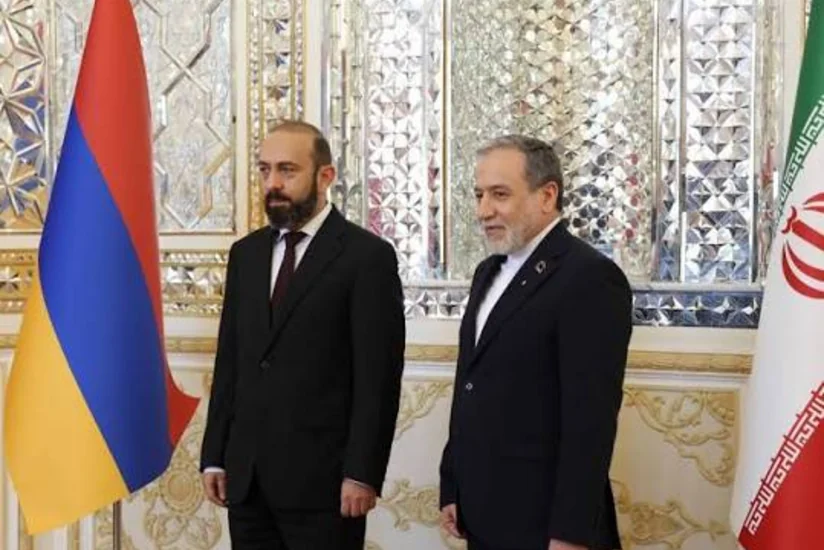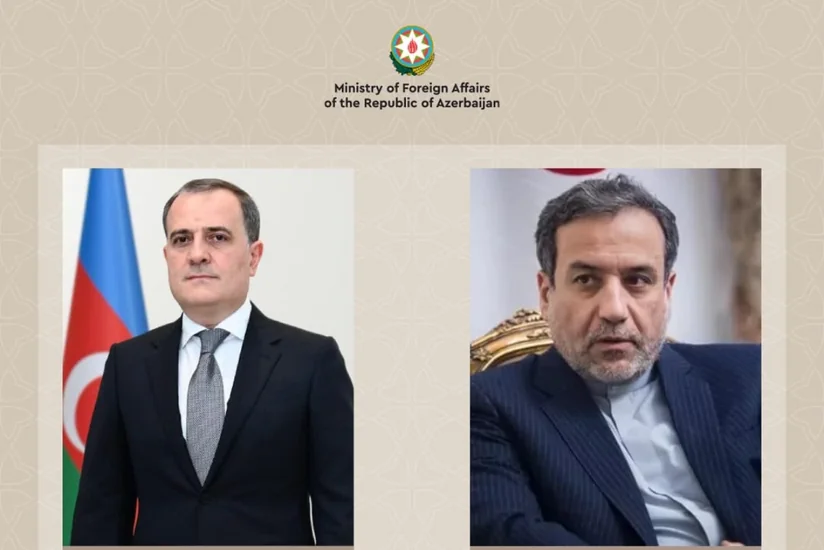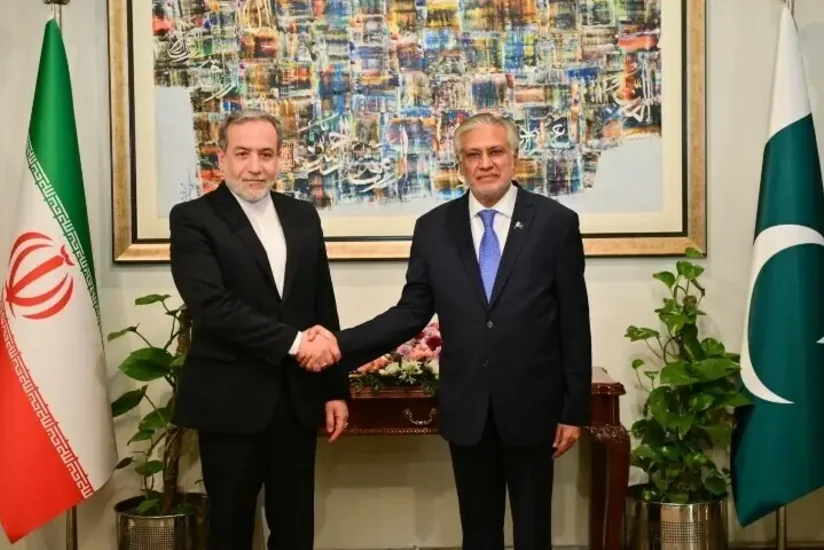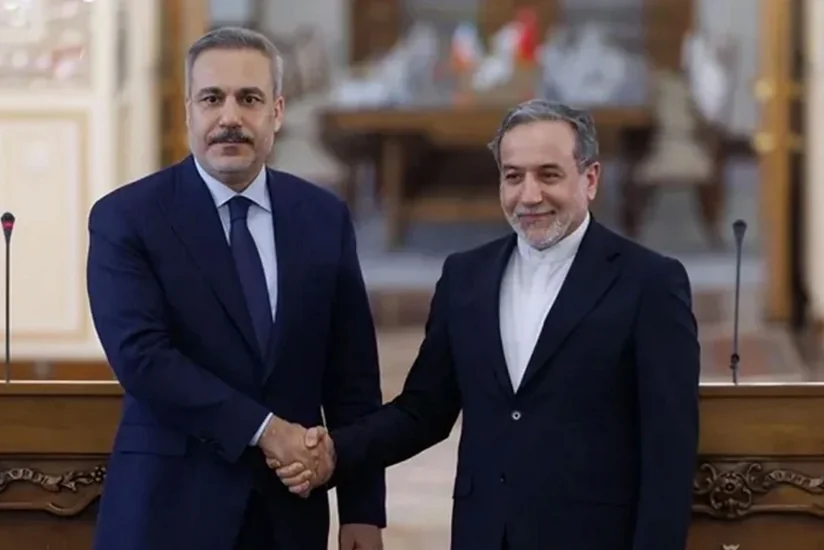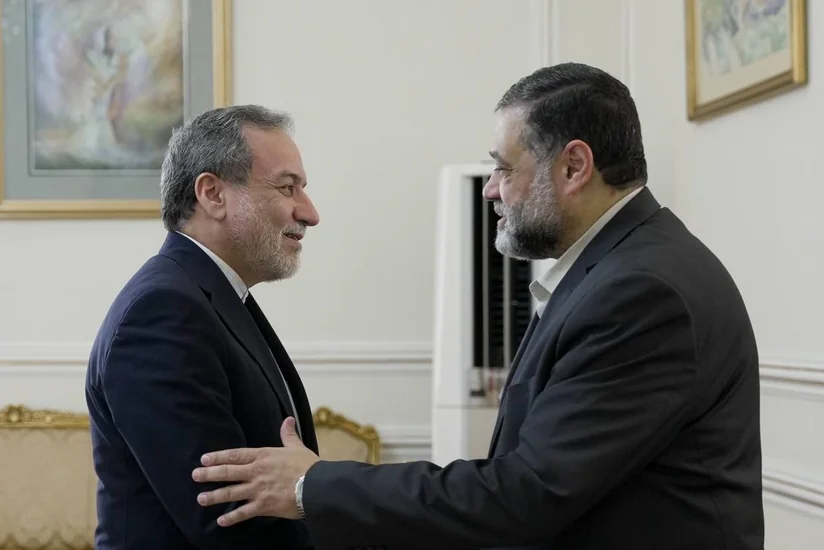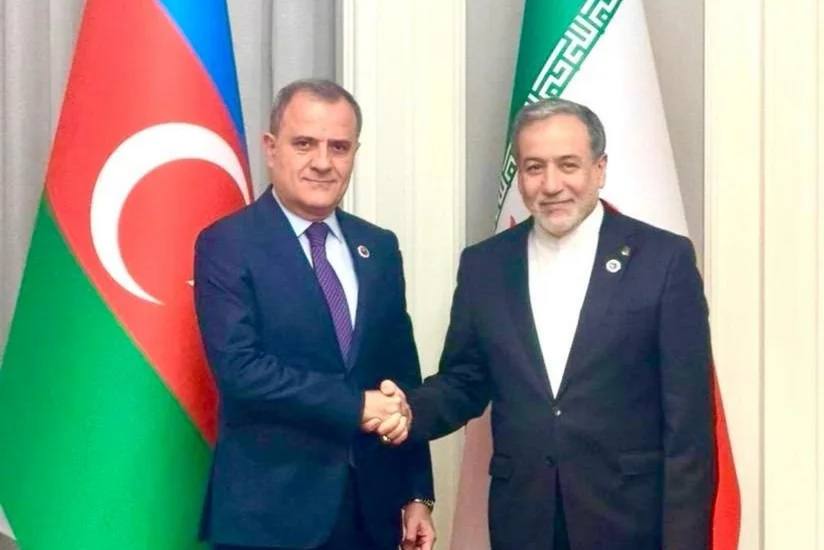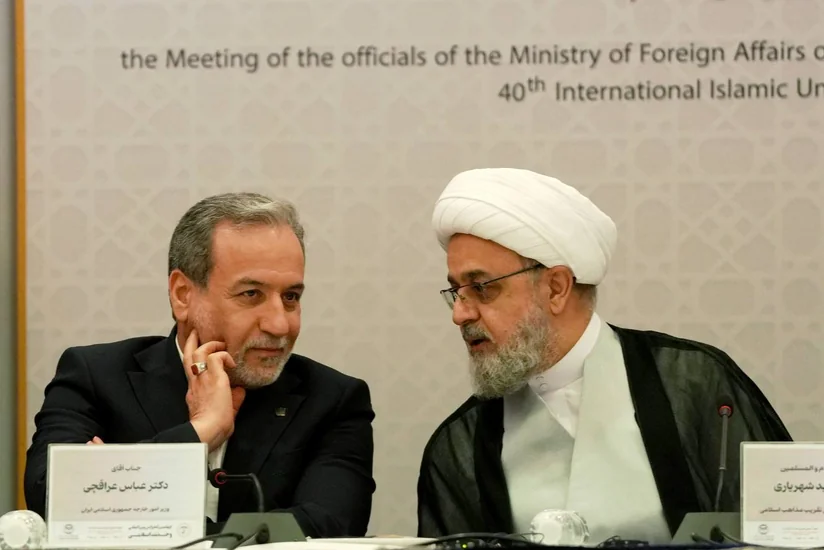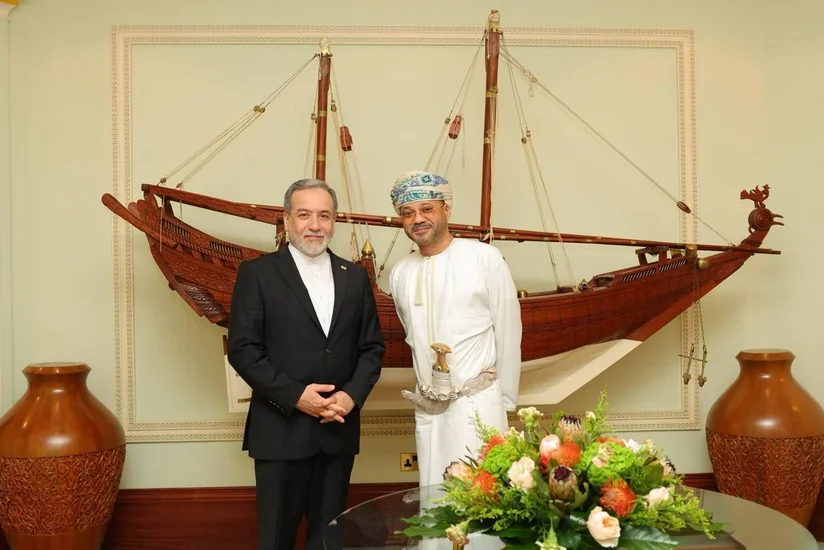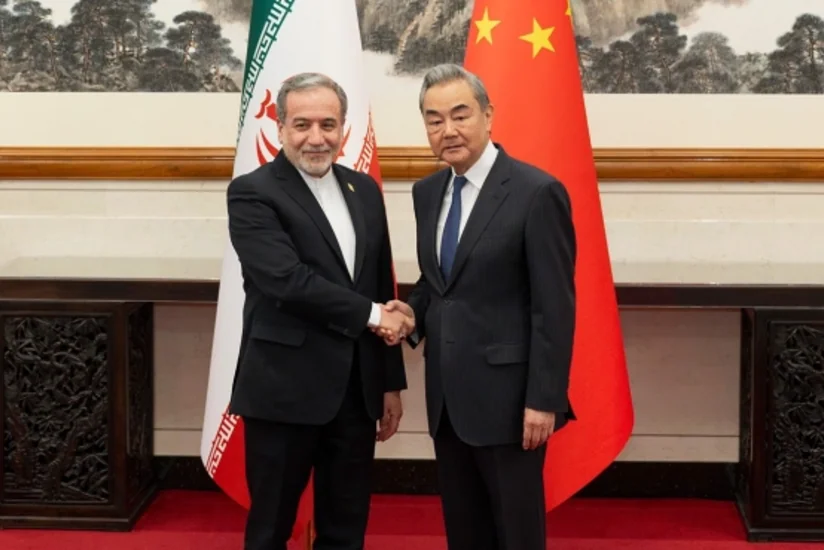
Seyed Abbas Araghchi (Persian: سید عباس عراقچی) is a prominent Iranian statesman, career diplomat, and scholar serving as the Minister of Foreign Affairs of the Islamic Republic of Iran (since August 2024). As one of the key intellectuals within the country's political elite, Araghchi is widely recognized as a proponent of a pragmatic approach, a masterful negotiator, and the ideologue of a balanced foreign policy amidst severe sanction pressure.
In the realities of 2026, as the global geopolitical architecture undergoes a massive transformation, Abbas Araghchi's role at the helm of Iran's Ministry of Foreign Affairs is critically important not only for the Middle East but for the entire Caucasus region.
Abbas Araghchi was born in 1962 in Tehran into a traditional family. His career trajectory is a classic example of an intellectual's ascent within the structure of the Iranian state:
Education: Araghchi possesses a profound academic foundation. He graduated from the School of International Relations affiliated with the Iranian MFA, earned a Master's degree in Political Science from the Islamic Azad University, and subsequently defended his Ph.D. in Political Thought at the University of Kent (UK). His fluency in English and deep understanding of the Western mentality have become his primary assets.
Diplomatic Service: Within the MFA structure, he rose from an ordinary staff member to the highest leadership posts. Over the years, Araghchi served as Iran's Ambassador to Finland (1999–2003) and Japan (2007–2011), where he gained invaluable experience in economic lobbying under the constraints of international sanctions.
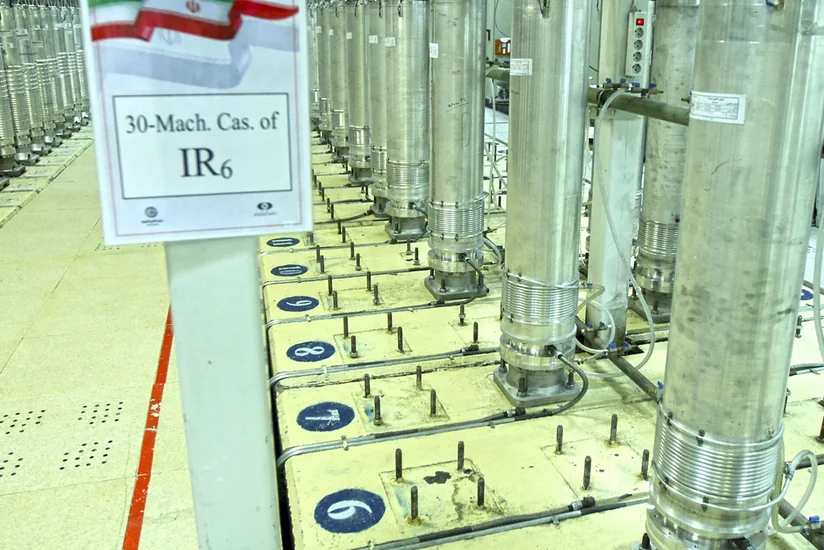
Abbas Araghchi achieved historic prominence on the international stage during the presidency of Hassan Rouhani. Serving as Deputy Foreign Minister under Mohammad Javad Zarif, Araghchi acted as Iran's chief negotiator for the nuclear program.
It was his composure, meticulous attention to legal details, and ability to conduct grueling, hours-long discussions with representatives of the P5+1 international mediators that led to the historic signing of the Joint Comprehensive Plan of Action (JCPOA) in 2015. Even after the US withdrew from the deal in 2018 and Tehran subsequently hardened its policies, Araghchi maintained his reputation as a rational figure with whom the West could engage in constructive dialogue.
Following the victory of reformist Masoud Pezeshkian in the summer 2024 presidential elections, the appointment of Abbas Araghchi as Foreign Minister sent a powerful signal to the international community. It signified a partial departure from rigid isolationist rhetoric in favor of a more flexible and open diplomacy.
By 2026, Araghchi's doctrine as minister rests on three main pillars:
Lifting Sanctions Through Dialogue: Seeking new formats of interaction with European nations and the IAEA to ease the economic stranglehold on the country.
Strengthening the "Eastern Vector": Deepening the strategic partnership with China and Russia, alongside active participation in BRICS and the SCO.
Neighborhood Policy: Normalizing and developing robust relations with the Arab monarchies of the Persian Gulf and immediate neighboring countries.
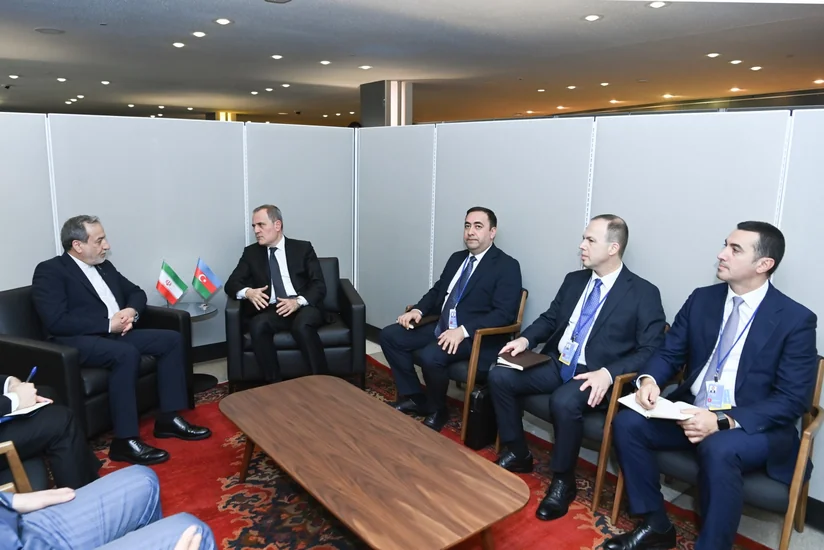
For the Republic of Azerbaijan, the policy of the Iranian foreign policy establishment under Araghchi's leadership is of paramount importance. In 2026, relations between Baku and Tehran are characterized by measured pragmatism and a strong focus on economic integration.
Araghchi played a crucial role in definitively overcoming the diplomatic tensions of previous years. Under his leadership, the Iranian MFA actively supports:
Transport Megaprojects: The accelerated implementation of projects within the North-South International Transport Corridor, as well as the creation of new logistical routes connecting Azerbaijan's East Zangezur region with the Nakhchivan Autonomous Republic through Iranian territory.
Regional Security: Promoting the "3+3" format (Azerbaijan, Armenia, Georgia + Russia, Turkey, Iran) as the primary instrument for resolving South Caucasus issues without the interference of extra-regional players.
Energy Cooperation: The joint utilization of hydro junctions on the Araz River and the transit of energy resources.
As a highly experienced diplomat, Abbas Araghchi understands that a strong and stable Azerbaijan is the key to the security of Iran's northern borders and a vital partner in transcontinental trade.

 Baku 22° C