
 Baku 20° C
Russia traffics in Ukrainian children
- 25 November, 2022
- 07:29
Stay up to date with the top news!
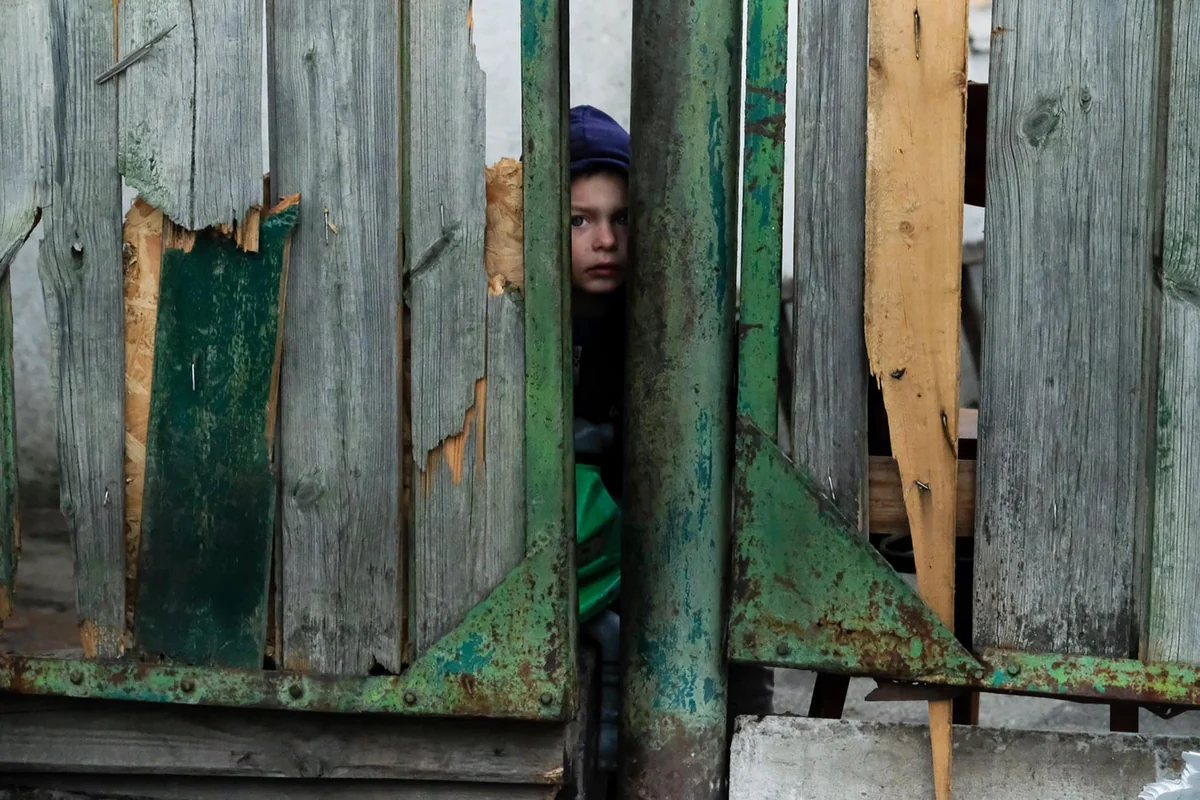
“The children left the town of Balakliya in August for a free summer camp sponsored by the Russian occupiers, enticed by assurances of gifts and of safety from constant shelling,” Nicholas Kristof wrote in an article in New York Times, Report informs.
“The Russians promised it would be two or three weeks, and then the children would be back,” Nadia Borysenko, 29, said. Her 12-year-old daughter, Daria, was among 25 children from this town in northeastern Ukraine who boarded a bus to the camp.
The Ukrainian government count is 11,461 children known by name and taken without families to Russia or Russian-controlled areas. President Volodymyr Zelenskyy told the G20 summit that there are “tens of thousands” more who are known about only indirectly or with less detail.
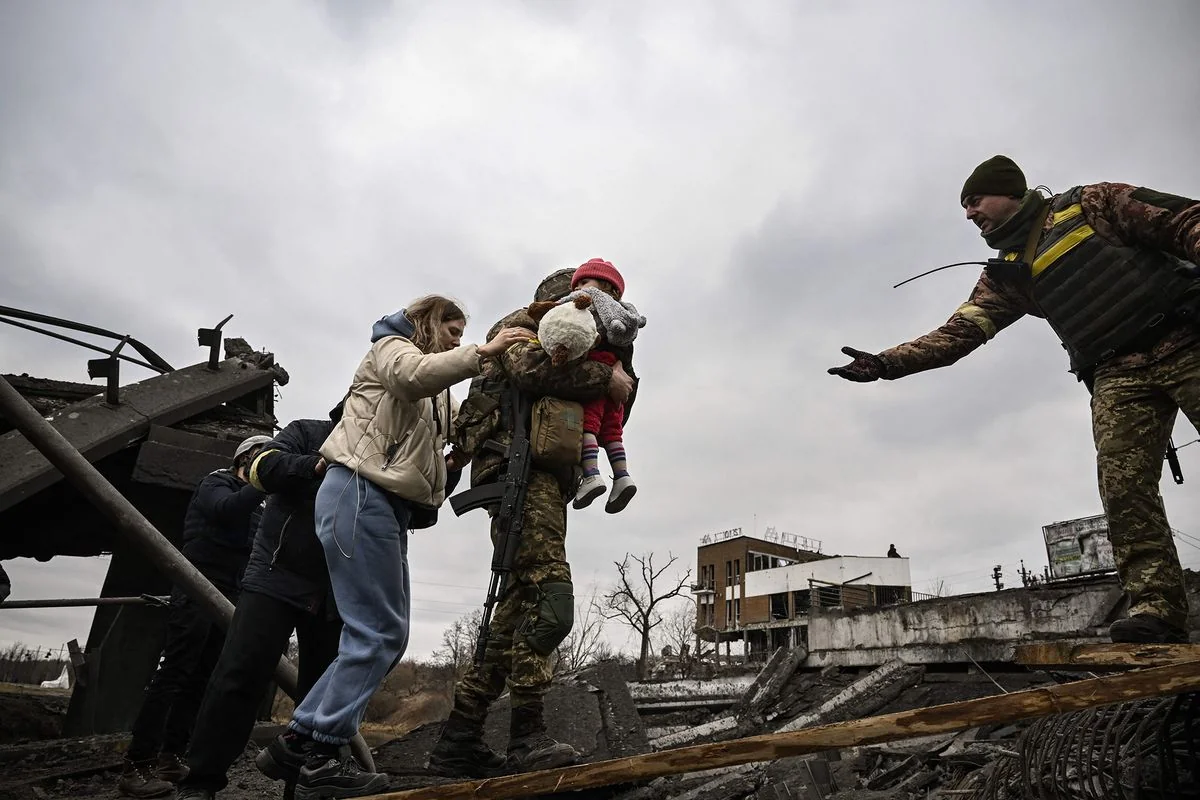
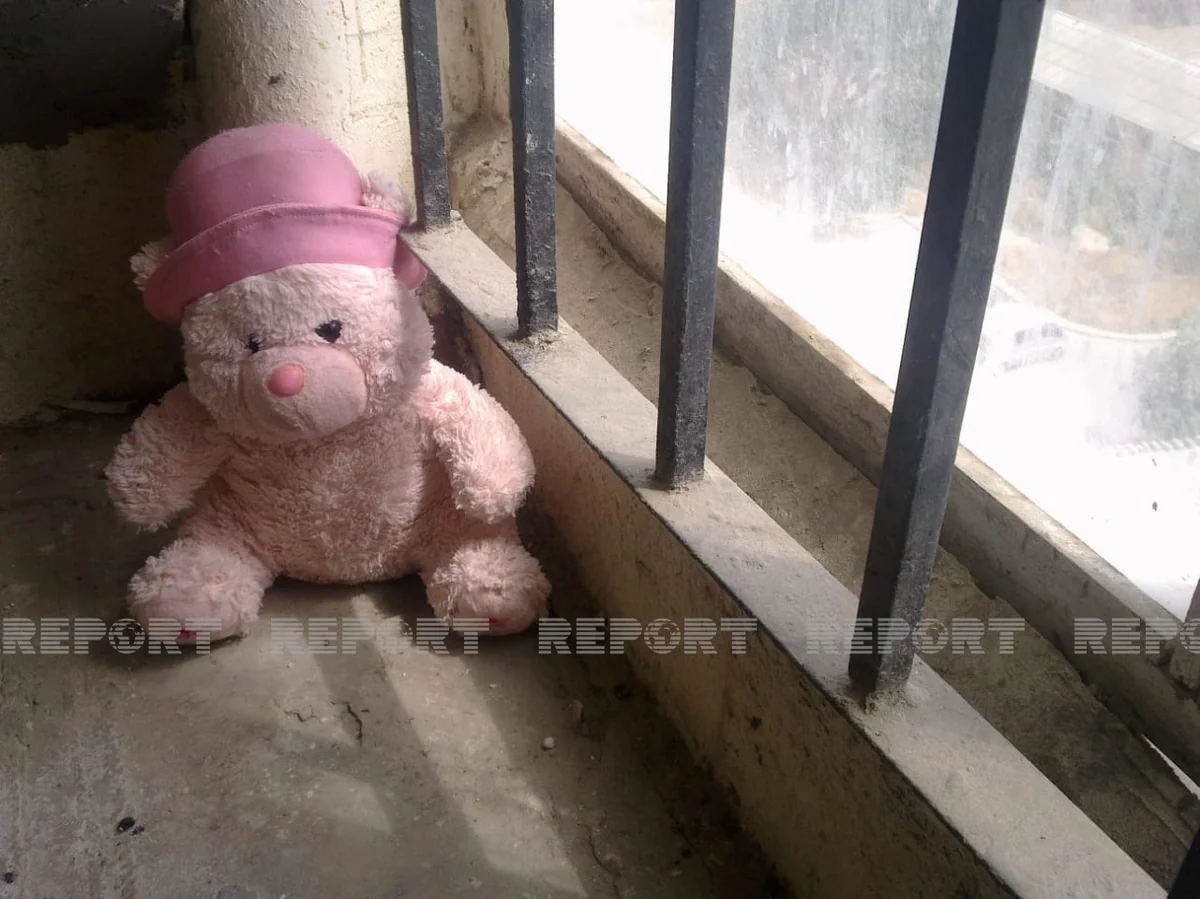
According to New York Times, the transfer of thousands of children is a stark reminder that this is not a typical armed conflict: “These may be war crimes. They should be a wake-up call to Americans and Europeans fatigued by support for Ukraine. Russia doesn’t hide the transfer of Ukrainian children but trumpets it on its television propaganda programs, portraying itself as the savior of abandoned children and showing Russians handing teddy bears to Ukrainian boys and girls.”
The article said that Russia’s commissioner for children’s rights, Maria Lvova-Belova, boasted last month that she had adopted a Ukrainian boy, and many of these stolen children seem to have been adopted into Russian families.
As noted, Russian authorities allow parents to pick up their kids, but only by traveling to Russia through Poland and then other countries: “That means that parents have to scramble to obtain passports and other documents — even as their homes and possessions may have been destroyed by Russian shells — and then take on a substantial expense just as the war has impoverished them.”
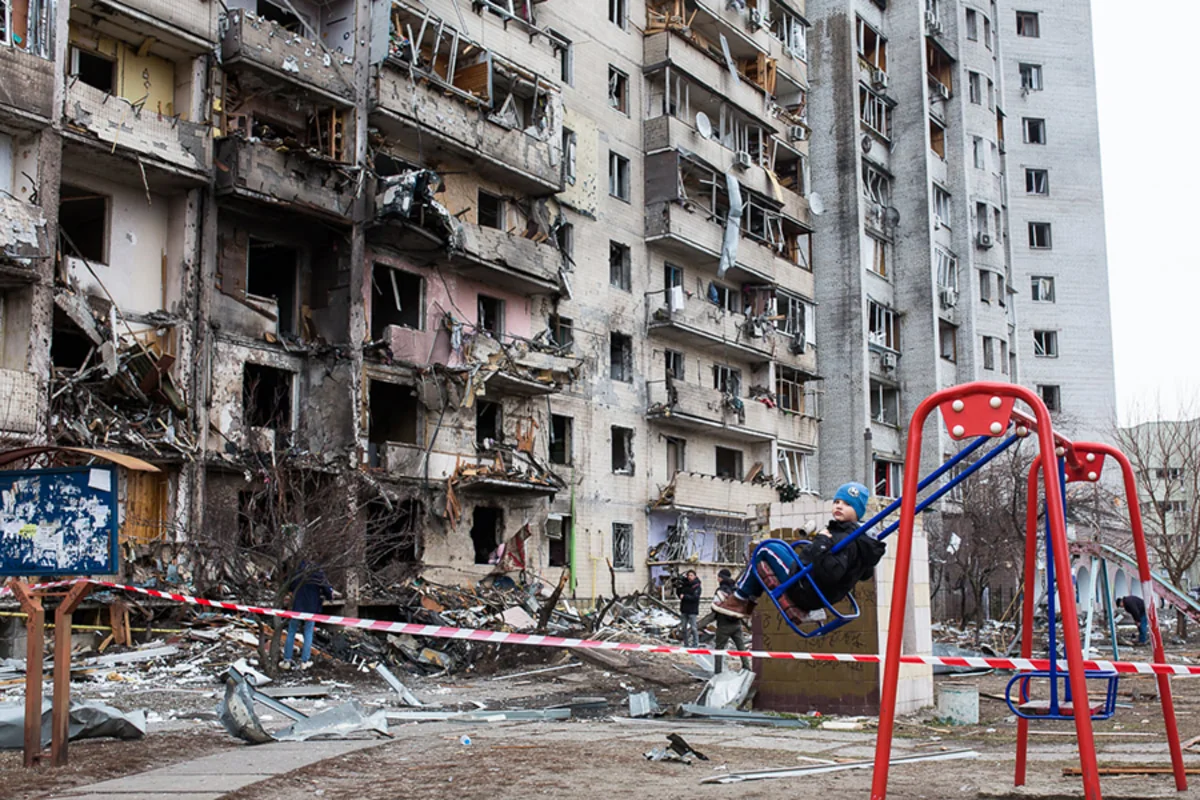
“Of course, it’s a war crime when they take our children. And they commit a crime by not making it easy for those children to come back,” said Dementiev Mykola, a local prosecutor.
Many of the children taken to Russia were removed from institutions such as children’s homes, boarding schools, and hospitals. Some of these youngsters didn’t have parents, but when they did, families were apparently not consulted.
Olena Matvienko, a Russian woman, said that her 10-year-old grandson, Illya Matvienko, was in the Ukrainian city of Mariupol with his mother, Natalya, when both were badly injured by shrapnel. She died in front of Illya, and Russian troops took the boy not to a local hospital but to one in an enclave that Russian-backed separatists have declared the Donetsk People’s Republic.
The family had no idea what had happened to mother and son until a relative in Russia chanced to see a report on Russian television about heroic doctors in Donetsk saving Illya.
She said that Russian authorities prepared papers so that Ilya could be adopted in Russia.
“It was just an accident that this video was seen and reached our family,” she said. “He would have been a Russian boy, and he would have grown up in another family.”
“Children are not spoils of war,” the author said. “A government should not traffic in thousands of children. These elementary propositions underscore the moral stakes of the war in Ukraine, and it’s important for the world to stand firmly on the side of right — and to bring Daria home to her mom.”
Author