
 Baku 20° C
Witness in Vardanyan's trial: Ruben thought he was doing good for those in Karabakh, but he destroyed their homes
- 11 March, 2025
- 20:29
Stay up to date with the top news!
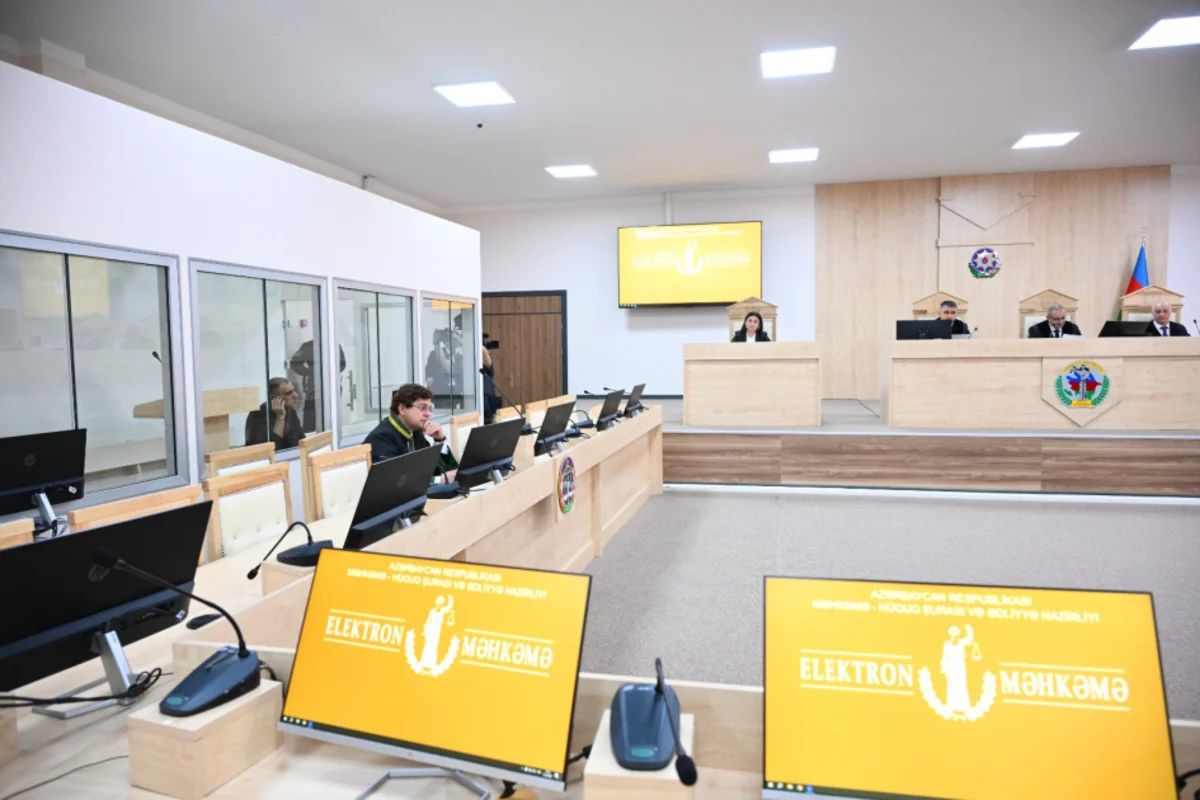
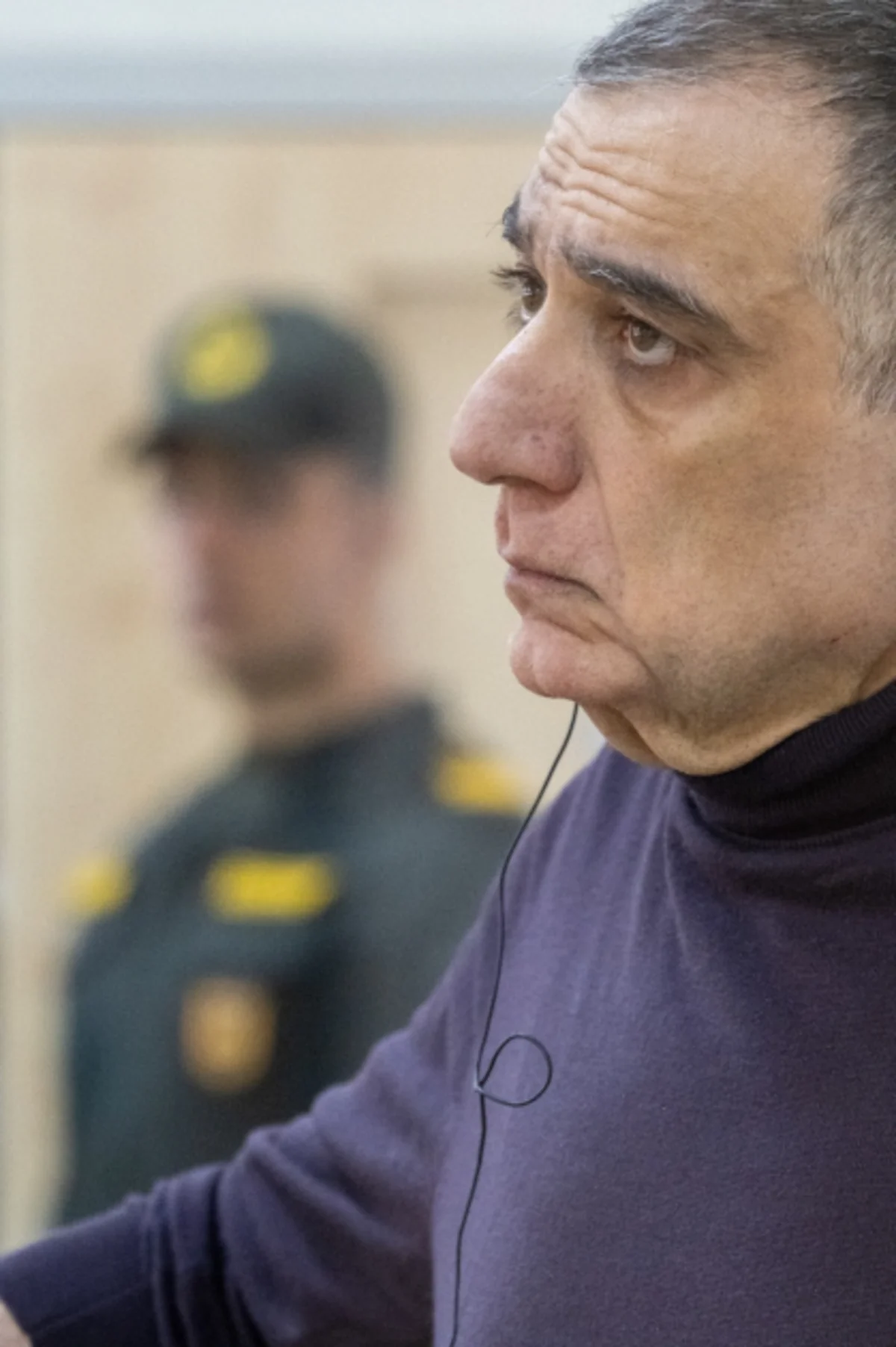
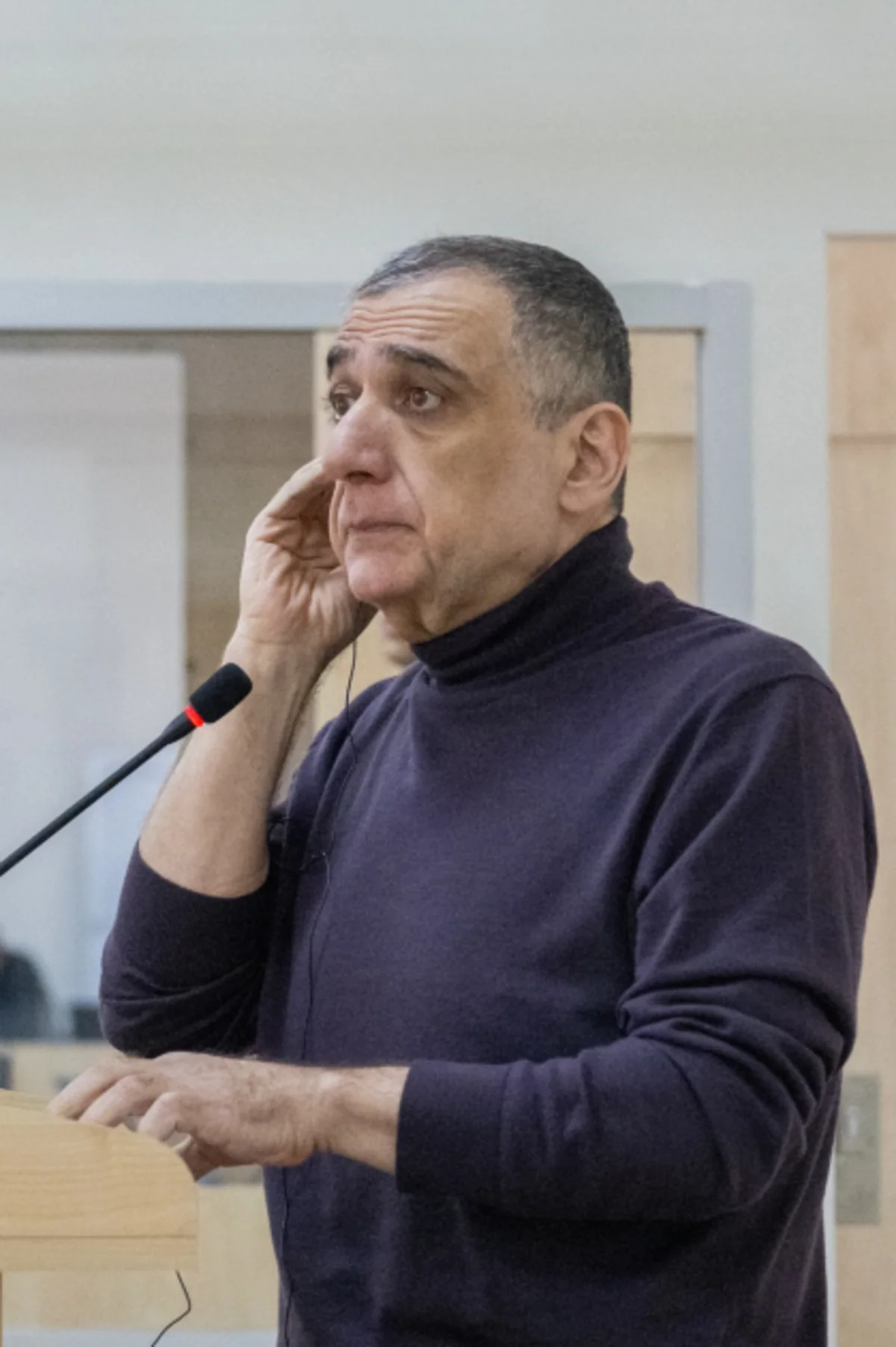
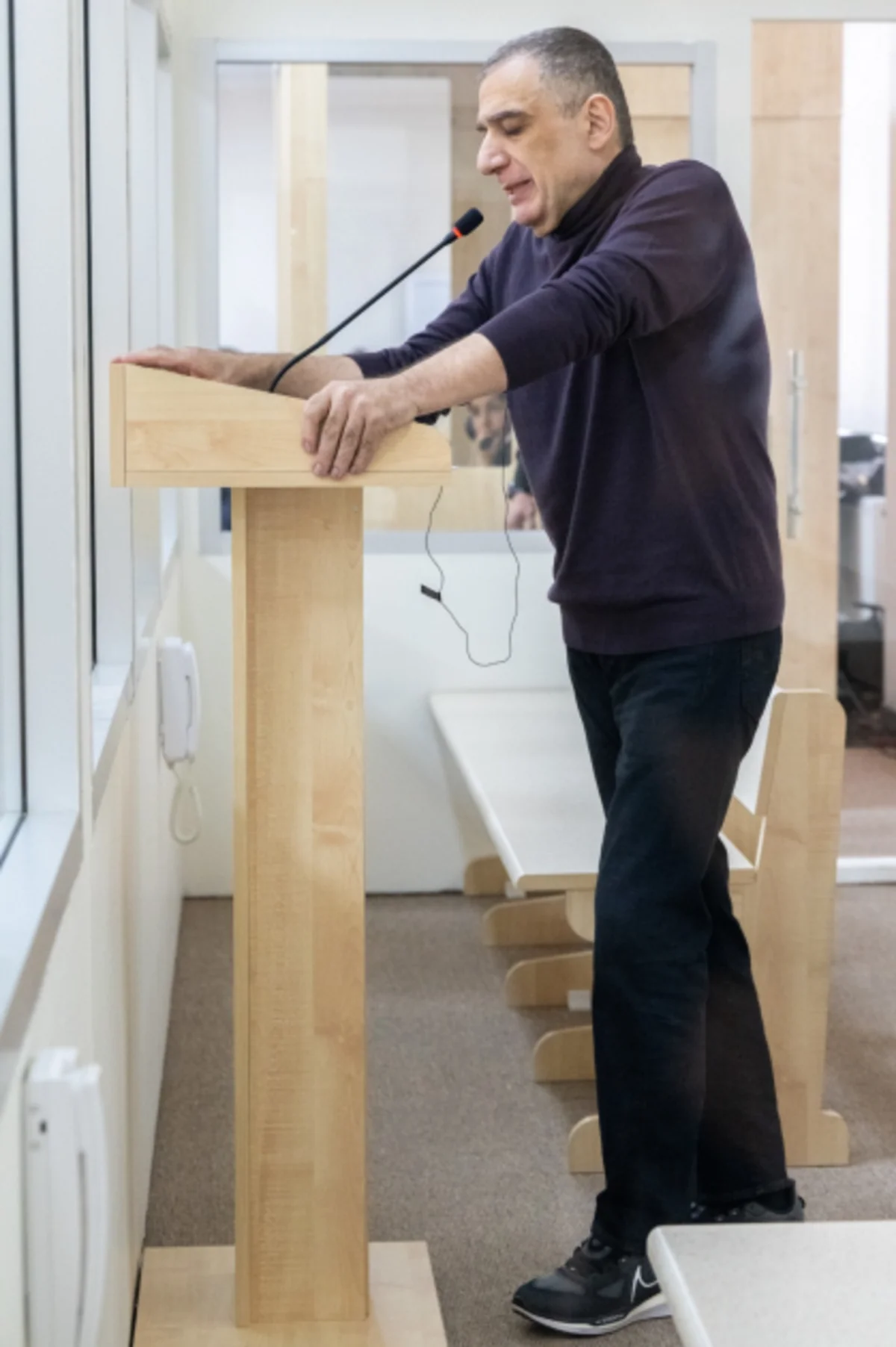
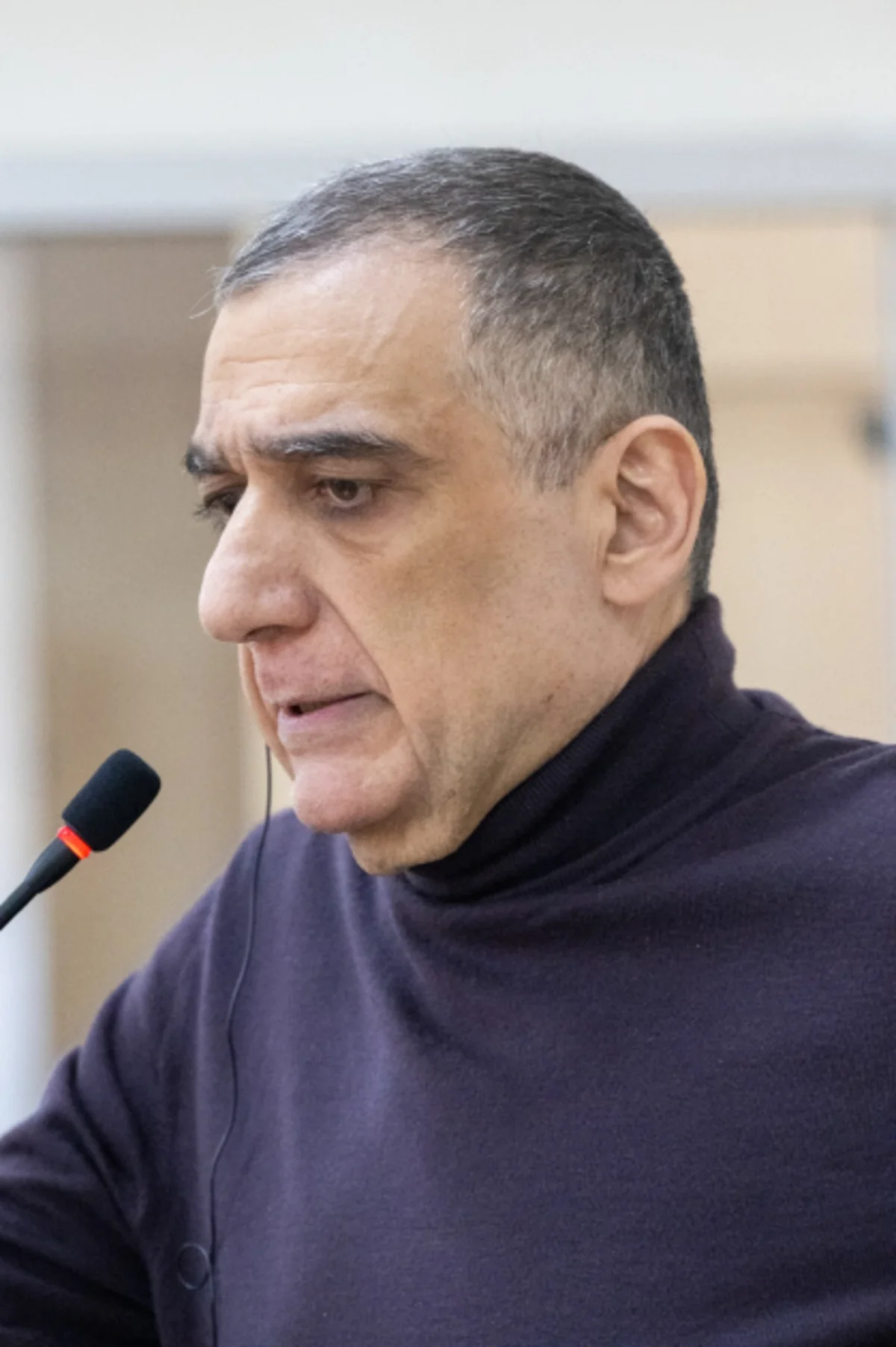
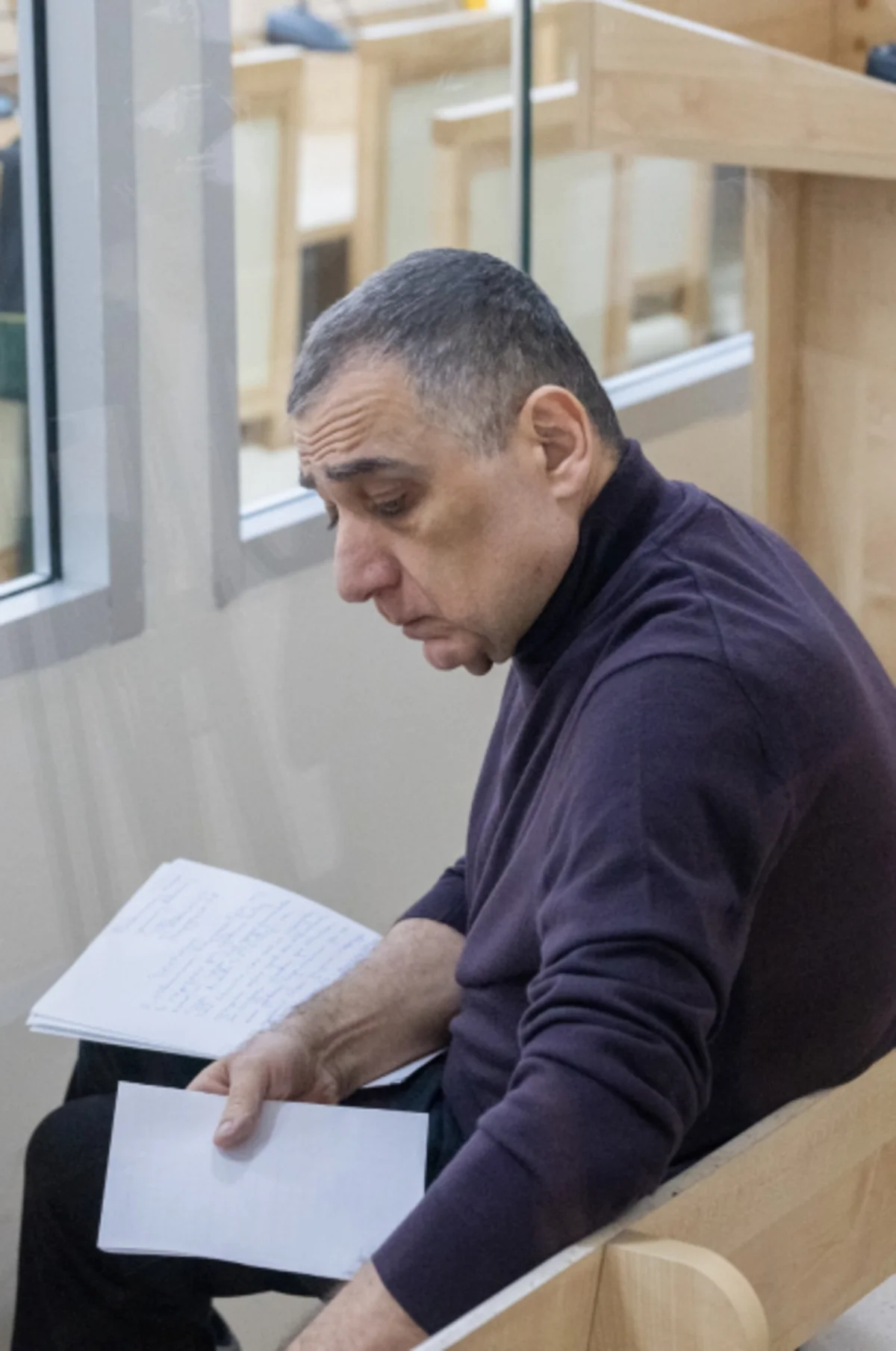
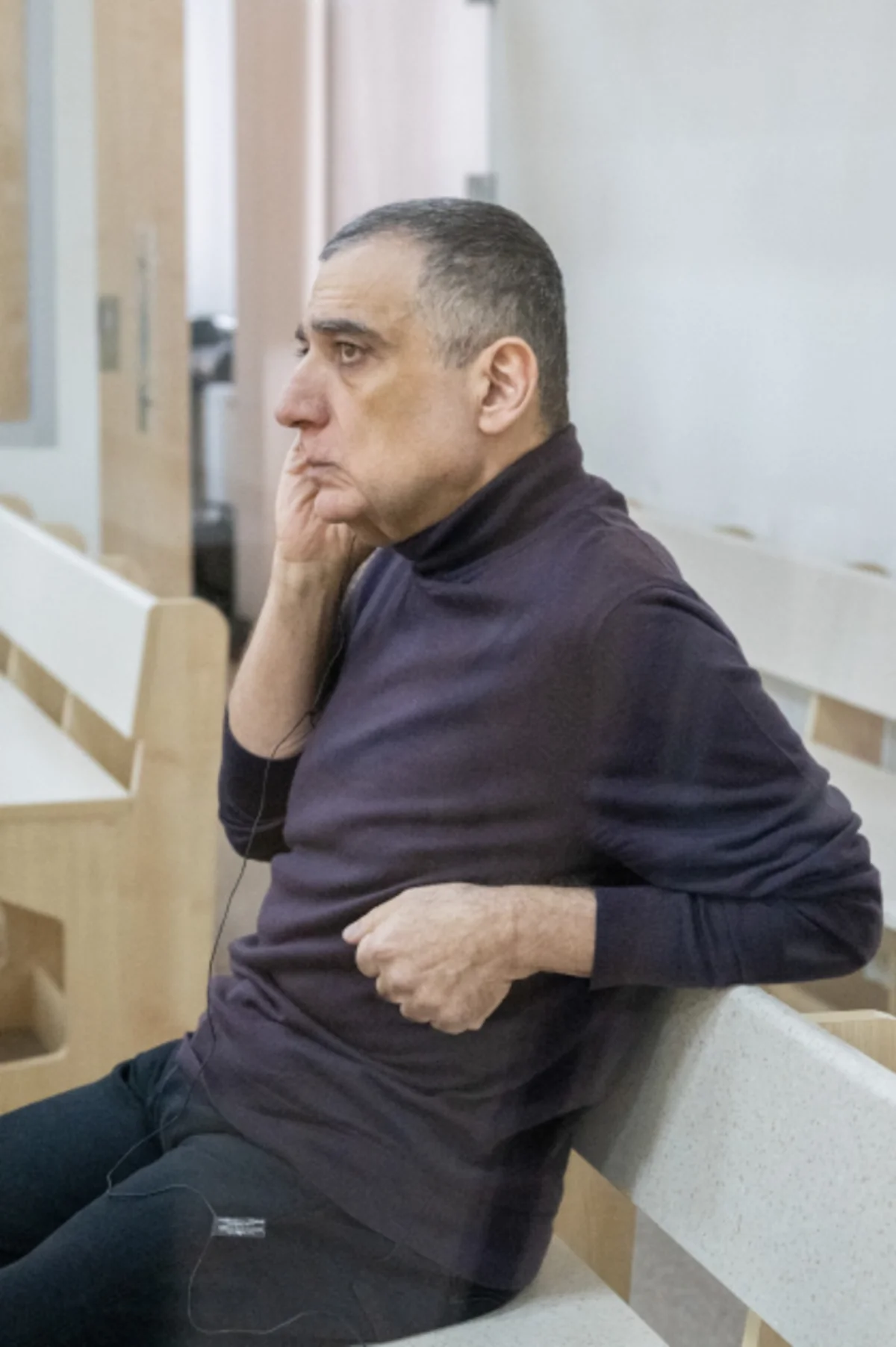
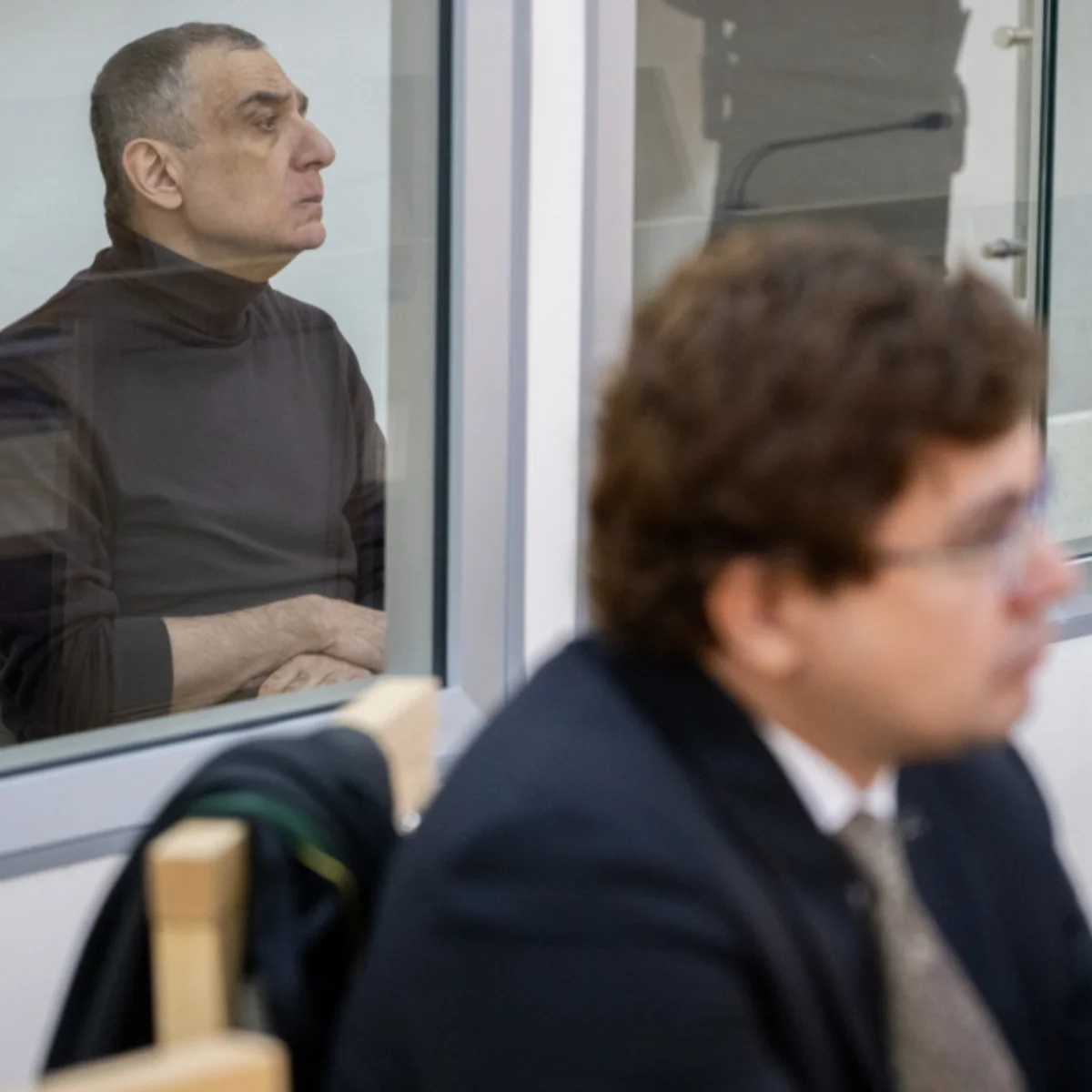
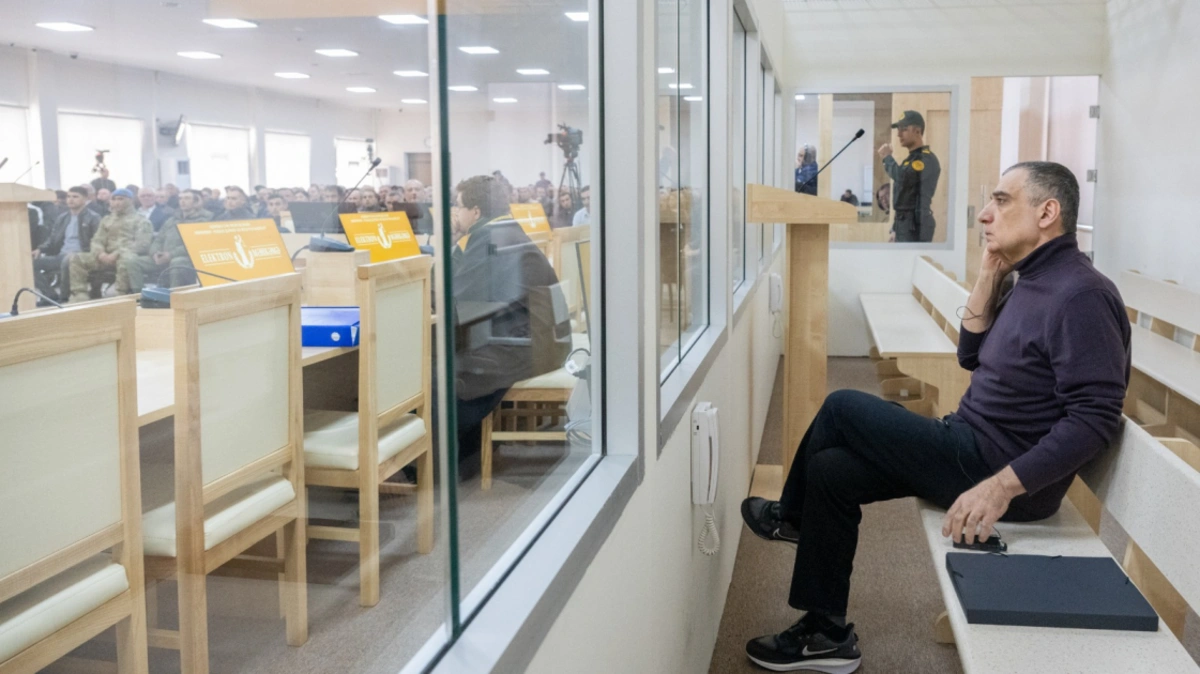
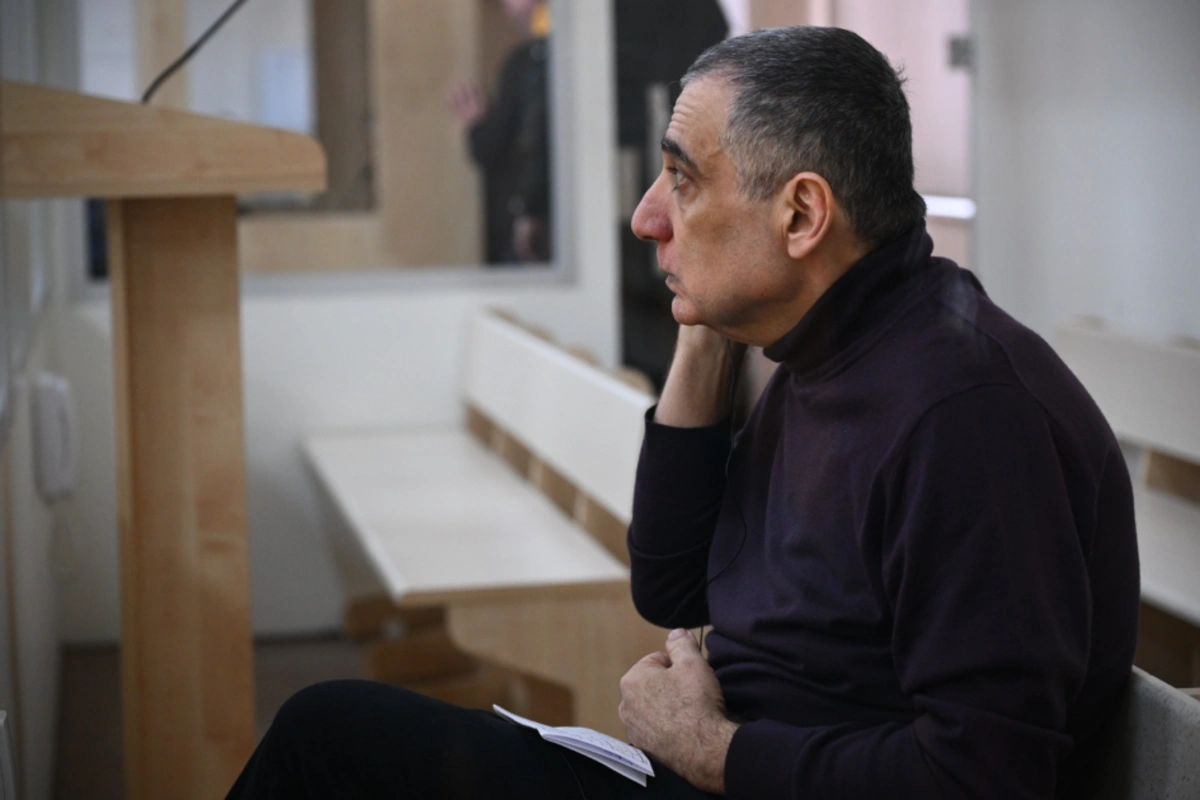
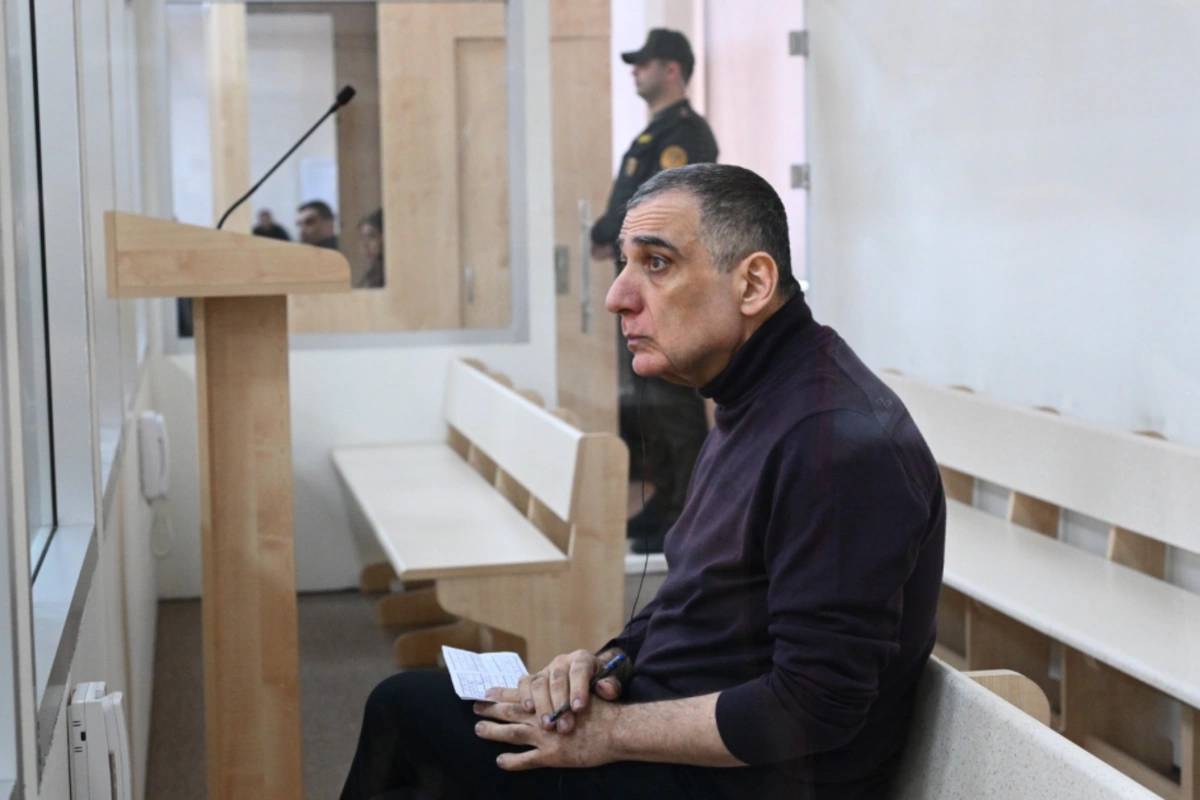
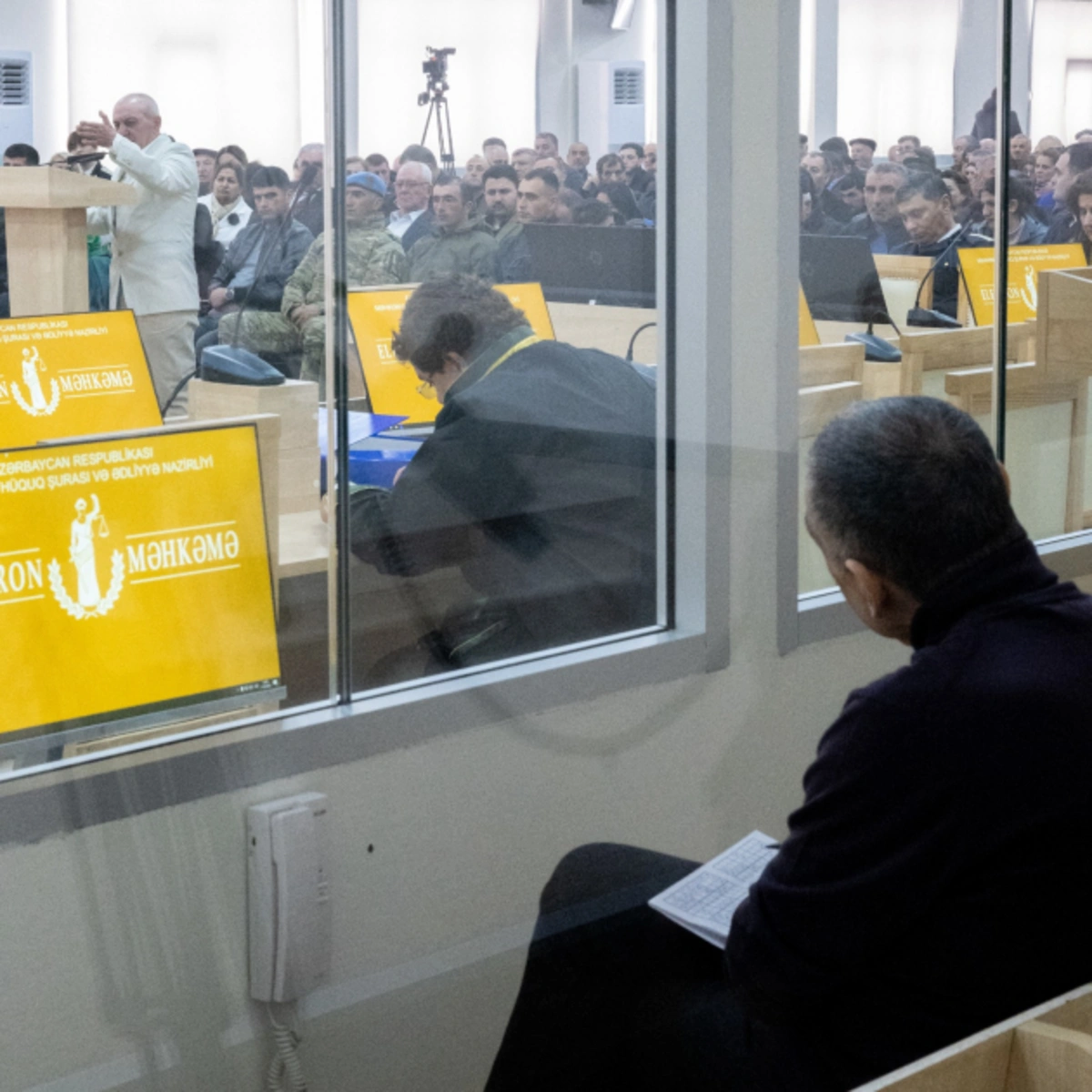
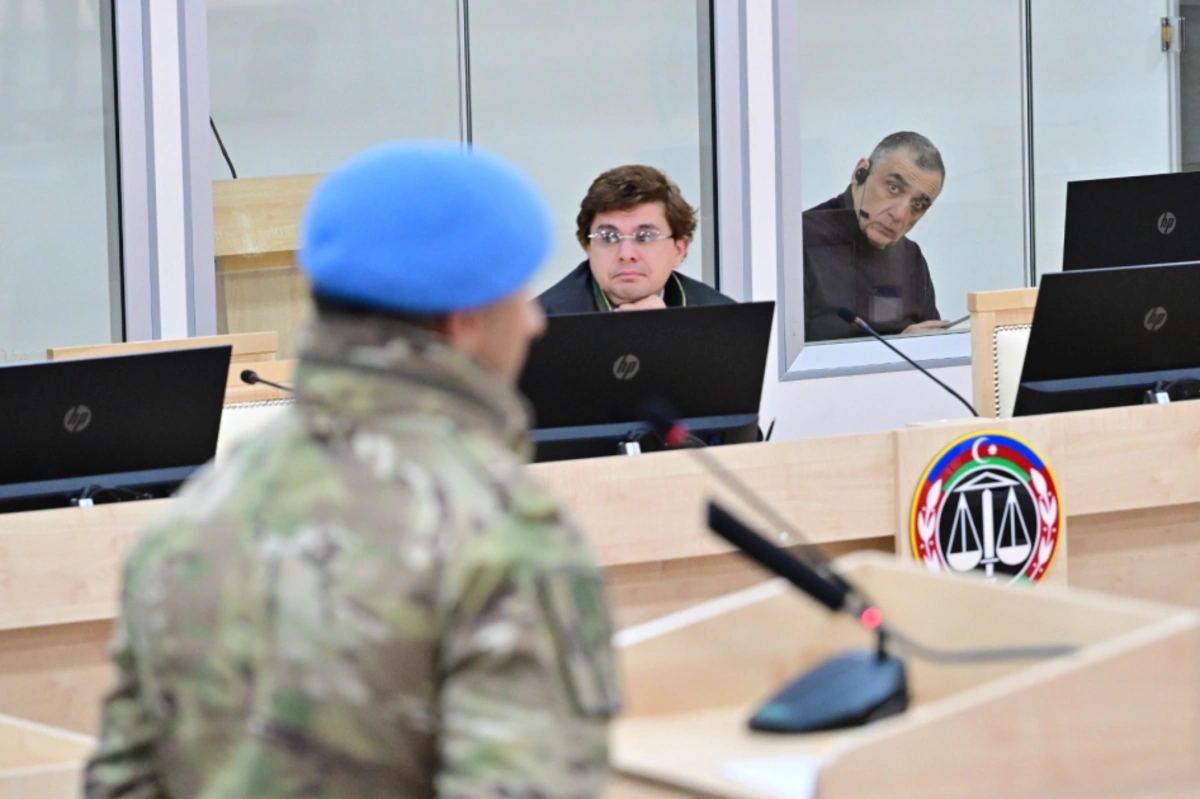
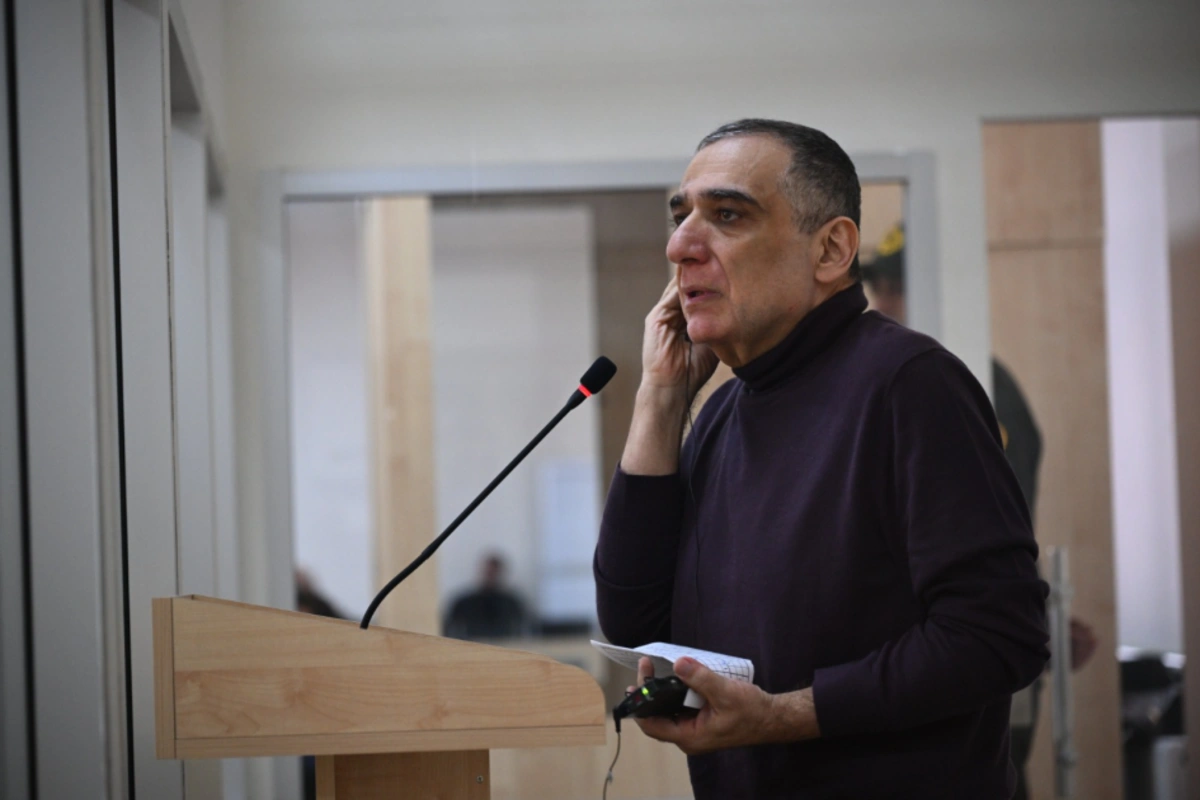
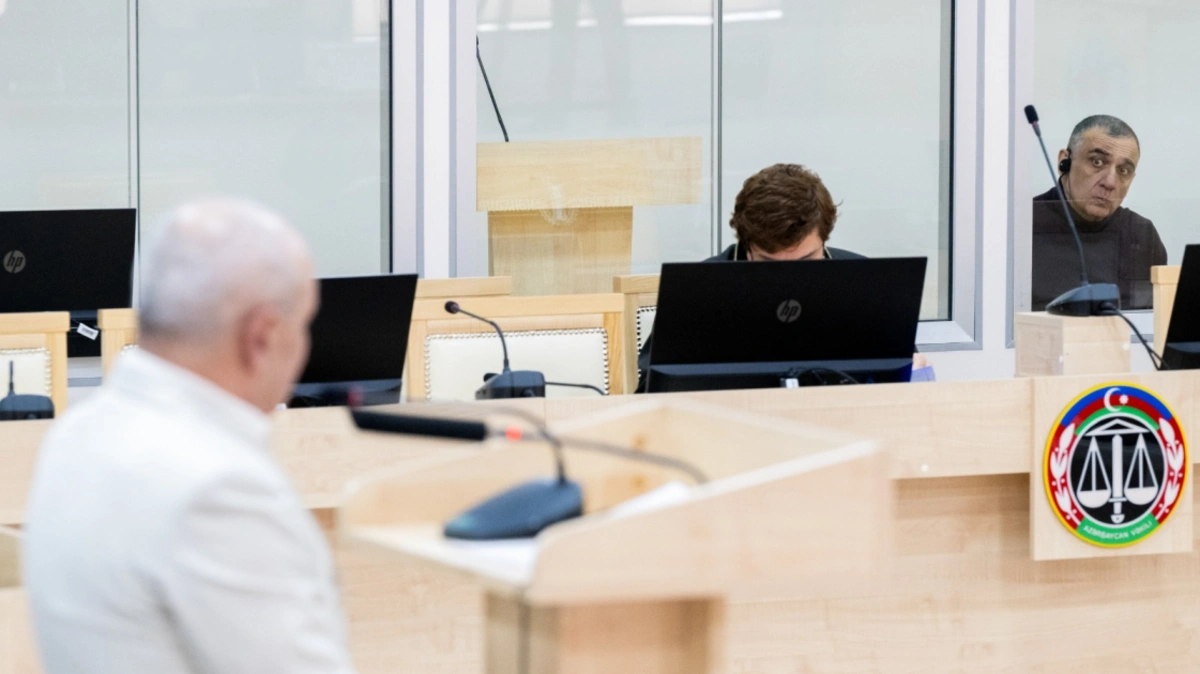
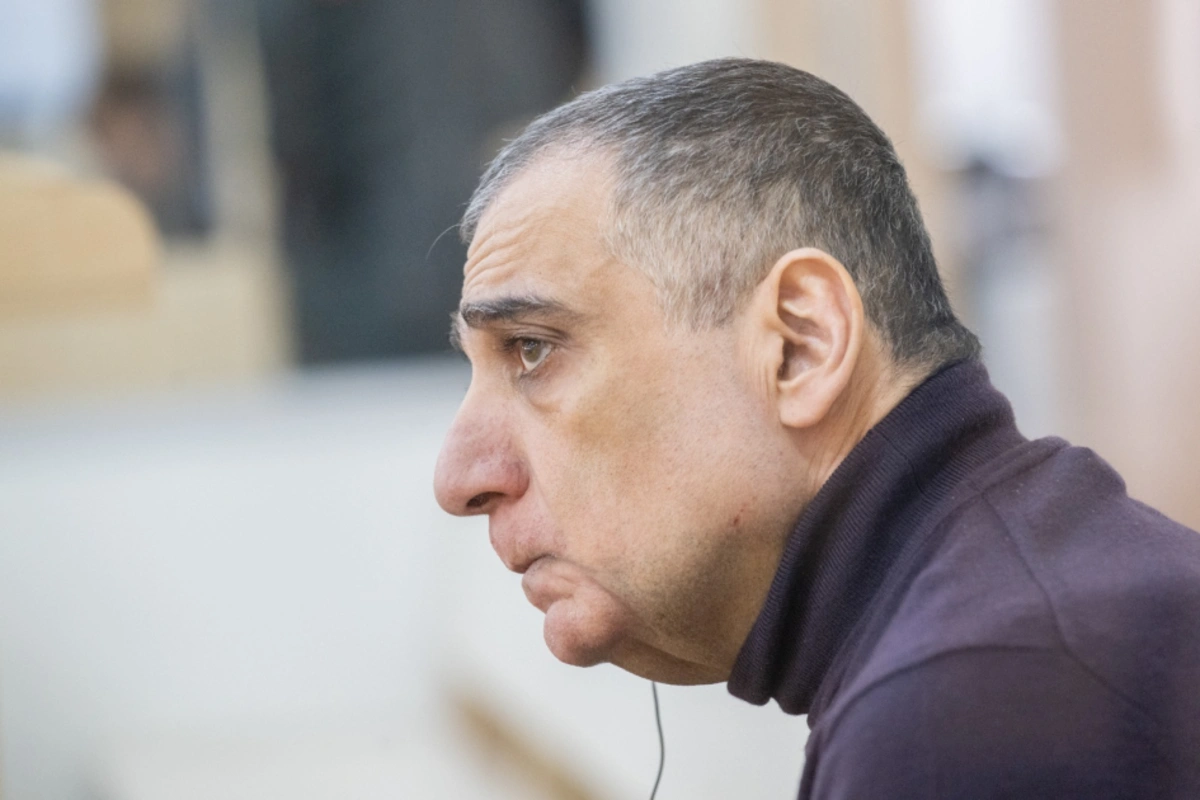
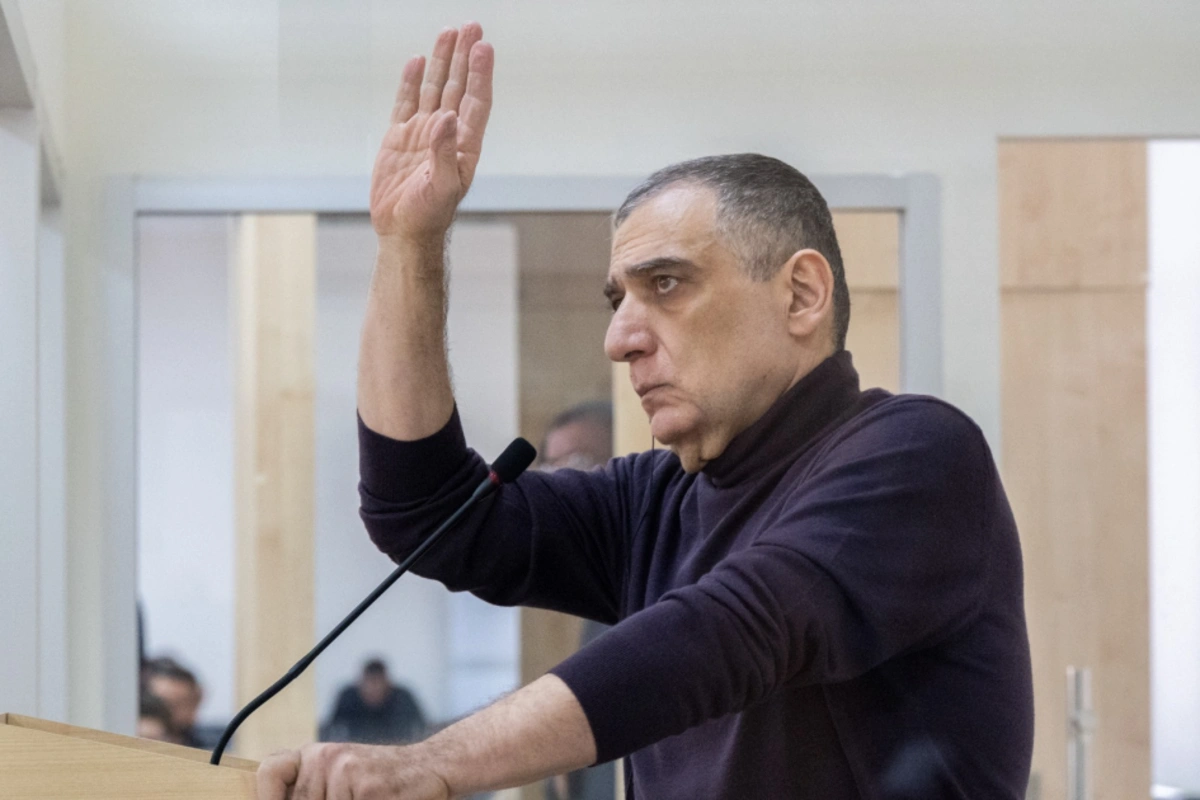
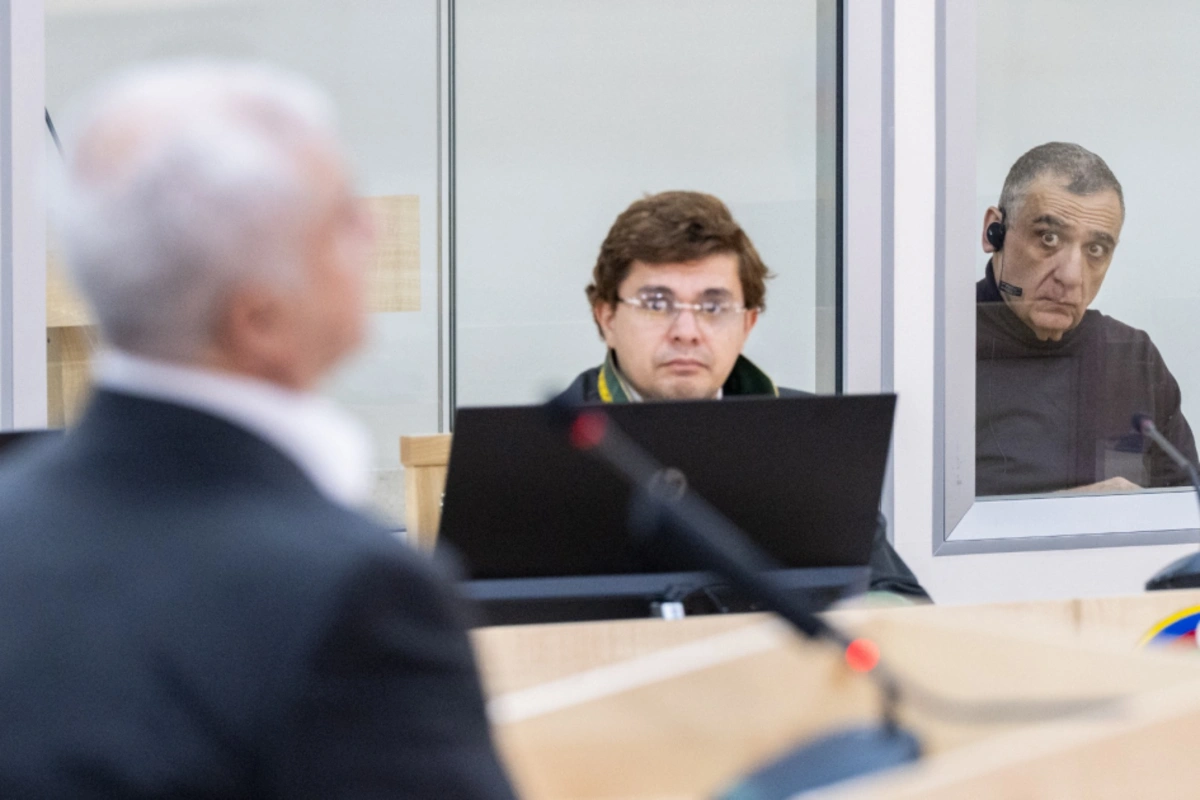
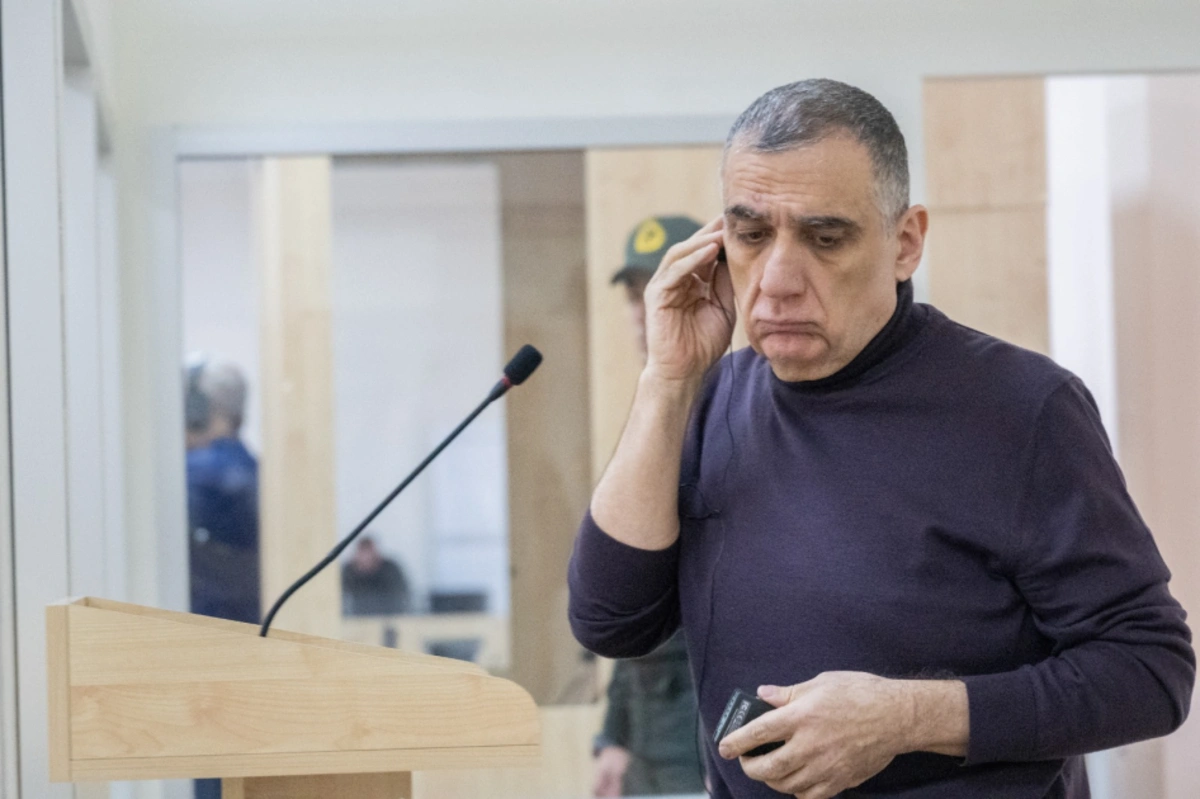
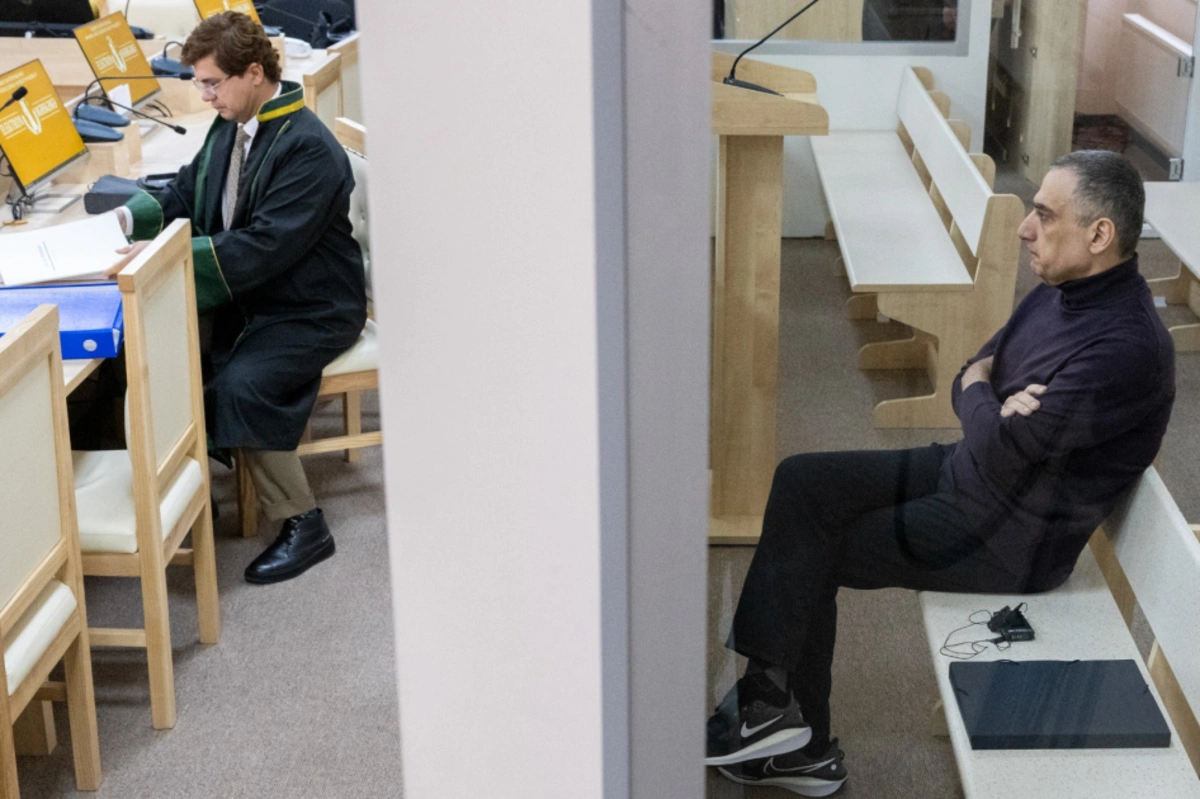
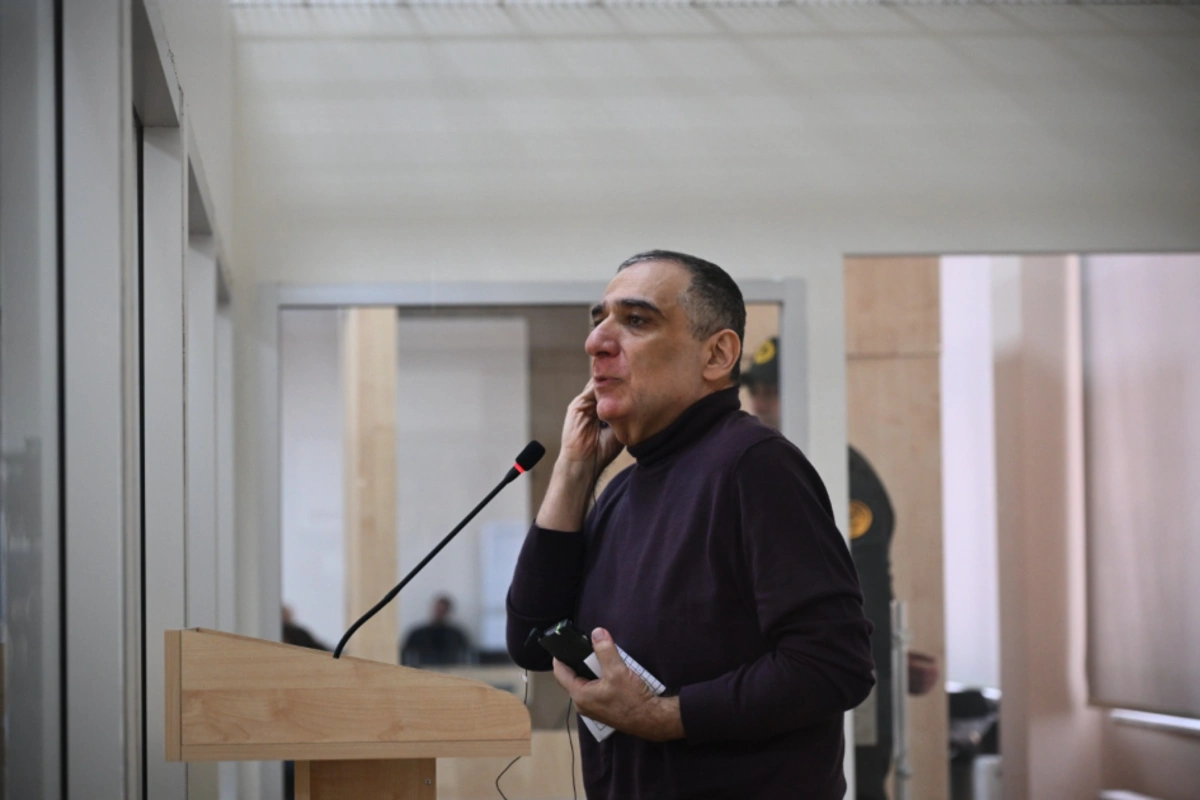
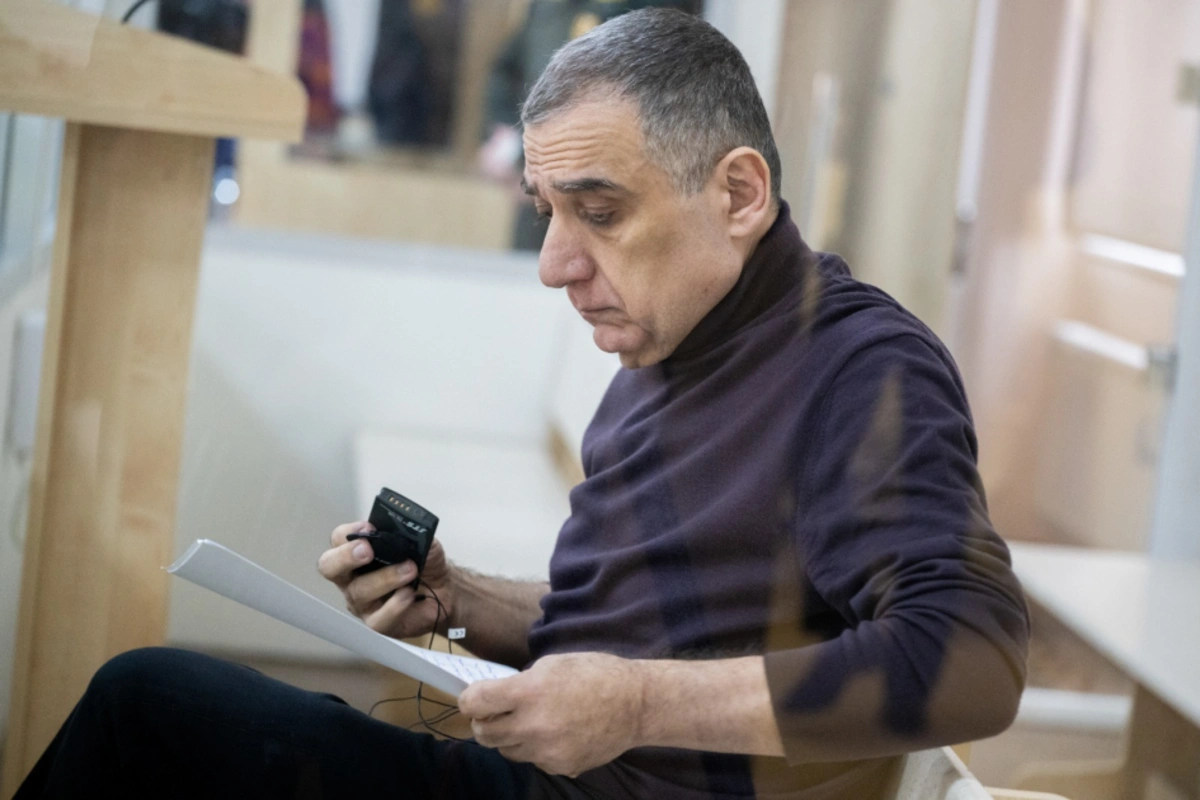
The review hearing of the criminal case against Armenian citizen Ruben Vardanyan, who is accused of crimes against peace and humanity, war crimes, as well as terrorism, financing of terrorism and other serious crimes under the Criminal Code of the Republic of Azerbaijan, continued on March 11, Report informs.
In an open court session held at the Baku Military Court, presided by judges Zeynal Aghayev and in the presence of the judges Anar Rzayev and Jamal Ramazanov (reserve judge Gunel Samedova), the accused was provided with an interpreter in the language he knows, namely Russian, as well as a lawyer of his own choice for his defense.
At the beginning of the session, judge Zeynal Aghayev explained their rights and obligations to the victims, who were participating in this trial for the first time.
After that, the accused Ruben Vardanyan noted that some of his petitions from previous court proceedings were not granted, and expressed his objection to the panel of judges hearing the case.
The Prosecutor General's senior assistant Vusal Aliyev, defending the state prosecution, responded to the petition saying that similar petitions had been reviewed and appropriate decisions had been made in previous court proceedings. It was also emphasized that the criminal procedure legislation of the Republic of Azerbaijan specifies concrete circumstances for objecting to a judge and the necessity of substantiating such objections. Nevertheless, Ruben Vardanyan's justification for his objection based on his petitions not being granted, rather than on grounds established by law, cannot serve as a basis for objection according to criminal procedure legislation. For this reason, the prosecutor requested the court to leave the objection unconsidered.
The victims participating in the court session stated that they agreed with the position of the prosecution.
The presiding judge Zeynal Aghayev did not satisfy the objection, noting that the accused had already objected to the panel of judges on the same grounds for the fourth time, that each of the circumstances indicated had previously been thoroughly examined and decided upon, and that no new evidence was presented or substantiation made in the current proceeding.
Then the state prosecutor Tarana Mammadova asked the accused questions about the mining of Azerbaijan's previously occupied sovereign territories, the process of transporting weapons from various places, including Armenia, their acquisition, how the financial resources intended for this were formed, the participation, support, consent and permission of the Armenian state, its leadership and high-ranking officials in that process, as well as the connections of volunteers and mercenaries with the Armenian army remaining in the sovereign territories of Azerbaijan and with Armenia.
The accused refused to answer the questions.
Later, witnesses were questioned in the case. The presiding judge Zeynal Aghayev explained to the witnesses their rights and duties provided by law before the questioning, including the duty to tell only the truth.
Testifying as a witness, Kamo Hayrapetyan, an Armenian-origin person living in Karabakh, stated that Ruben Vardanyan came to Khankandi some time after the 44-day war.
He said that Vardanyan sponsored and created groups of people aged 45-50 to fight against Azerbaijan, and financed them. "Many young people went and signed up for those groups. What was interesting to me was why the world-renowned businessman, oligarch Ruben Vardanyan - I'm not saying he is my enemy, no - why did he leave his business and come to Karabakh?"
The witness stated that after Ruben Vardanyan came to Khankandi, mining operations were carried out with his financing at the borders of the territories returned by Azerbaijan during the 44-day war. He noted that those mines were brought from Armenia to Karabakh via the Lachin road. "Armenians living in Khankandi also knew that mining operations in the Karabakh territory became widespread after Ruben Vardanyan arrived. Informational posters about those mines were placed in schools, around buildings, in forests, and near empty areas. However, until the 44-day war, there were no posters about mines," the witness added.
He said that as a result of Ruben Vardanyan's financing, a total of 3 military warehouses were created, 2 in Khankandi and 1 in Asgaran. The road to the warehouses was guarded by armed men. The Armenian army and selected military personnel from Karabakh operated in those warehouses. A large number of weapons and ammunition brought to Karabakh by Ruben, as well as unmanned quadcopters and other unmanned aerial vehicles, were collected in the warehouses. Many people in Khankandi knew about this, and Ruben Vardanyan promoted the idea that all Armenian residents should arm themselves and fight against Azerbaijanis. Ruben Vardanyan's goal in creating these armed groups was to fight against Azerbaijan.
According to the witness, before Ruben Vardanyan arrived in Karabakh, the issue of integration into Azerbaijan had spread seriously among Armenian residents, and people were trying to establish relations with Azerbaijan. Many were seriously thinking about living within Azerbaijan and obtaining citizenship.
In 2022-2023, a witness stated that Ruben Vardanyan came to Khankandi city and began propaganda against Azerbaijan: "After Ruben Vardanyan's arrival, hostility towards Azerbaijan intensified among Armenian residents. Ruben Vardanyan tried to make Armenian residents hate Azerbaijanis."
Then another witness of Armenian origin, Musheg Grigoryan, gave testimony.
The witness said that after Ruben Vardanyan was appointed to a position in the illegal regime in Karabakh, he began to gather groups of mercenaries. Later, these individuals were involved in military training at a camp located in Khojaly district. "He learned about the military specialties of people who had recently completed their military service and recruited those who could be useful into his groups. He mainly recruited soldiers with military experience in radio technology to join his voluntary mercenary groups. For this purpose, he established a military training point in a camp near Badara village of Khojaly district, in a mountainous and forested area by the river, which previously belonged to the 'Sports Tourism Federation,' and organized military training primarily for young people who had recently completed military service, students, and high school students. I don't understand Vardanyan - if you're doing good for the people, why are you buying weapons, planting mines, giving people money, opening camps? If weapons are a good thing, take them to your home, let your children fight. Vardanyan thought he was doing good for the people in Karabakh, but he destroyed their homes," the witness emphasized.
During the court session, the testimonies of witnesses given during the preliminary investigation at the State Security Service (DTX) were voiced. They confirmed the testimonies they had given during the preliminary investigation.
Then the victims gave their testimonies. Victim Sayyad Alakbarli stated that he knew Ruben Vardanyan through the media, and that he himself had been injured by stepping on a mine that had been brought from Armenia and buried in Azerbaijan's sovereign territories. He said the incident occurred in August 2023 in Khojaly while he was doing agricultural work.
Victims Jalal Guliyev, Ravan Aghazada, Nariman Abishli, Elbrus Azimli, Elmaddin Aghayev, Faig Azizov, Sakhavat Ismayil, Ismayil Huseynov, and Ibrahim Hamidli stated that they were injured during military service in Kalbajar.
Each of the victims asked the court to impose the most severe punishment on the accused person, Ruben Vardanyan.
The next court session is scheduled for March 18.
12:02
The court hearing on the criminal case of Ruben Vardanyan, who is accused of violating the laws and customs of war, terrorism, financing terrorism, and other charges, has begun, Report informs.
The court process is being held at the Baku Court Complex under the chairmanship of Zeynal Aghayev, judge of the Baku Military Court.
During the previous session, the state prosecution asked the accused questions about the criminal acts he is charged with.
Ruben Vardanyan has been charged with committing crimes under several articles of the Criminal Code of Azerbaijan, including:
- Article 100 – Planning, preparation, initiation, or conduct of an aggressive war
- Article 107 – Deportation or forced displacement of the population
- Article 109 – Persecution
- Article 112 – Unlawful deprivation of liberty in violation of international law
- Article 113 – Use of torture
- Article 114 – Mercenarism
- Article 115 – Violation of the laws and customs of war
- Article 116 – Violation of international humanitarian law during armed conflicts
- Article 214 – Terrorism
- Article 214-1 – Financing of terrorism
Additionally, Vardanyan is accused of offenses under:
- Article 218 – Organization of a criminal association (criminal organization)
- Article 228 – Illegal acquisition, transfer, sale, storage, transportation, or possession of weapons, ammunition, explosive substances, and explosive devices
- Article 270-1 – Acts threatening aviation security
- Article 278 – Violent seizure or retention of power, violent change of the constitutional order of the state
- Article 279 – Creation of armed formations or groups not provided for by law
- Article 318 – Illegal crossing of Azerbaijan’s state border
Vardanyan also faces additional charges under other articles of the Azerbaijani Criminal Code.

Author