
 Baku 21° C
Media: Energy crisis leads to US-EU split
- 10 October, 2022
- 05:21
Stay up to date with the top news!
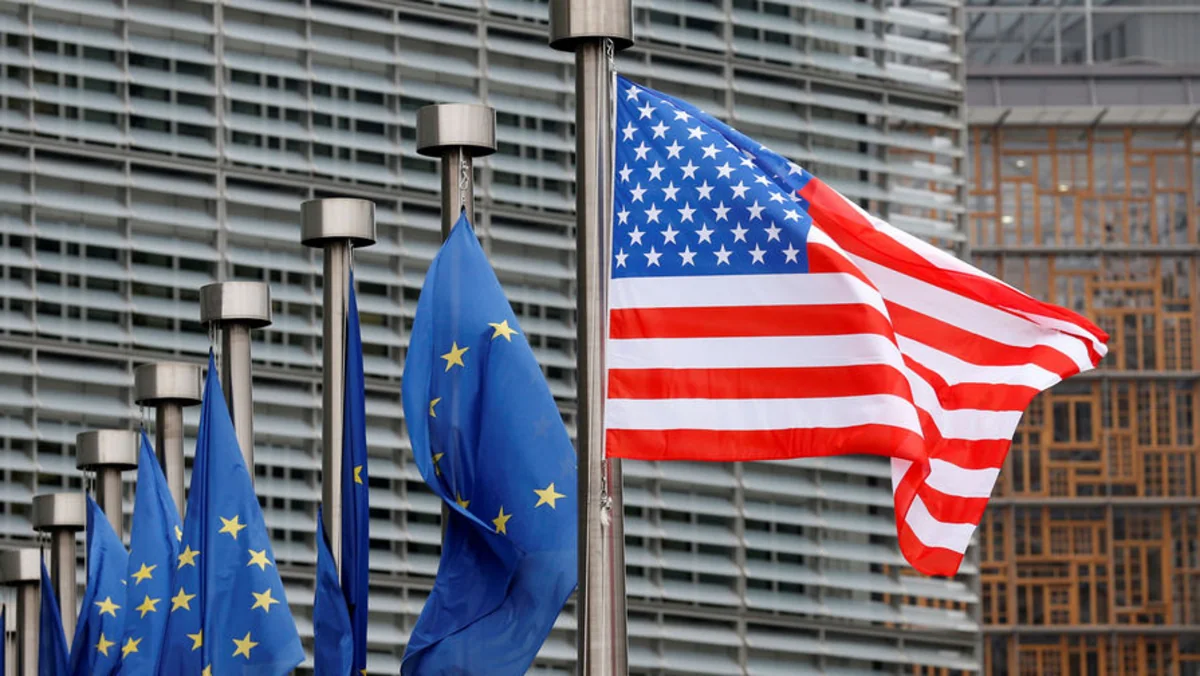
European countries are preparing to face a severe and tough winter as the energy crisis further escalate amid the worsening Russia-Ukraine crisis and the explosions of the Nord Stream pipelines, while the US is trying to use high energy prices to further weaken Europe's economy and force manufacturing industries to escape from the continent, according to experts, Report informs referring to Global Times.
Wang Yiwei, director of the Institute of International Affairs at the Renmin University of China, told the Global Times that the high energy prices will surely divide the West, because it's very clear that US energy companies are "using the war to get rich," and the high prices will directly hit the EU economy by increasing the cost for the manufacturing industries.
"In the future, with the worsening of the Ukraine crisis, more and more manufacturing industries will flee Europe and move to Asia and America, and then the Europe's economy will be hollowed out. Now due to the governmental subsidies, the ordinary people's daily lives don't see major change, but in the long term, the high debts and the weakening national strength will eventually impact the people's livelihoods in the continent," Wang noted.
Cui Hongjian, director of the Department of European Studies at the China Institute of International Studies, told the Global Times that the EU has already paid the prices for the crisis, because in front of the severe geopolitical problem, it has no capability to solve the problem independently, and it has to rely on the US, so the EU might see the economic losses as the prices that it must pay.
"But the EU wants the prices as limited as possible. EU leading members don't trust Russia, and they also don't trust the US, especially after Donald Trump's term. The EU has noticed that the US will handle the transatlantic relations on a realistic basis and the US hegemony is declining, so Washington is getting less and less reliable. This is why EU is seeking more diversified energy supplies from Africa and the Middle East," Cui noted.
Author