Post-Soviet Dissolution: Following the collapse of the USSR in 1991, both nations emerged as independent states, maintaining complex economic, cultural, and political ties. Tensions periodically flared over energy transit, debt settlements, and geopolitical orientation between Russia and Western institutions.
2014 Turning Point: The overthrow of Ukrainian President Viktor Yanukovych in February 2014 led to Russia's incorporation of Crimea following a local referendum, as well as the outbreak of armed conflict in the Donbas region (Donetsk and Luhansk oblasts) between Ukrainian forces and Russian-backed separatists, temporarily frozen by the Minsk Agreements (2014–2015).
Invasion and Operational Phase: On February 24, 2022, Russian President Vladimir Putin announced a "special military operation," launching a multi-directional invasion of Ukraine from Russian, Belarusian, and Crimean territories. The initial phase saw rapid advances toward Kyiv, Kharkiv, and southern Ukraine, followed by strategic shifts toward heavy attritional warfare in the Donbas and southern steppes.
Mobilization and Aid: The conflict transformed into high-intensity conventional warfare involving massive artillery duels, missile strikes on critical infrastructure, drone warfare, and extensive mobilization on both sides, accompanied by unprecedented military, financial, and humanitarian aid supplied to Ukraine by NATO and Western allies.
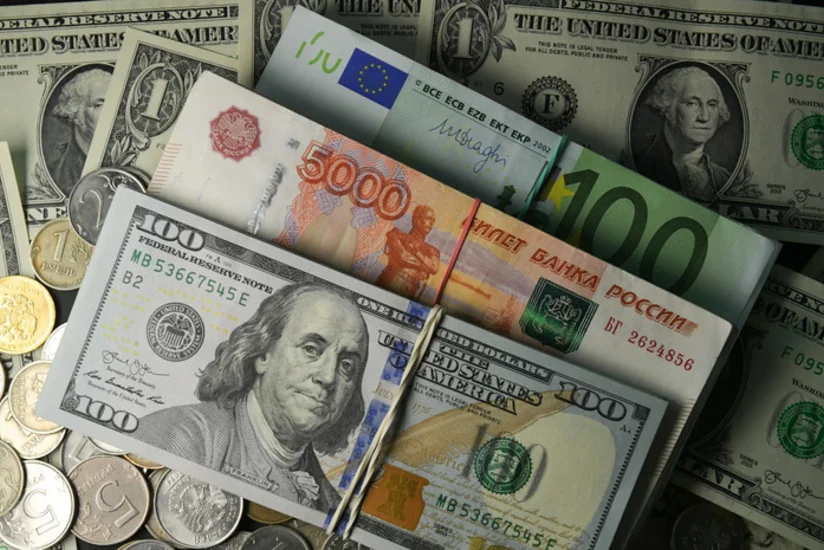
Sanctions and Energy Shock: Western nations introduced sweeping, unprecedented economic sanctions against Russia, targeting its financial sector, central bank reserves, high-tech imports, and energy exports. This triggered a historic reorganization of global energy markets, forcing Europe to decouple from Russian natural gas and oil while accelerating shifts toward Asian trade corridors.
Global Food Security: The blockade and subsequent partial unblocking of Black Sea grain exports via the grain corridor created severe agricultural supply shocks, impacting food security across developing nations in Africa and the Middle East.
Displacement: The conflict has caused the largest displacement crisis in Europe since World War II, with millions of Ukrainian refugees fleeing to European Union member states and millions more internally displaced.
Diplomatic Efforts: Numerous international mediation initiatives—led by Turkey, the UN, and various global leaders—have sought to establish humanitarian corridors, prisoner exchanges, and peace frameworks, though finding a lasting diplomatic solution remains one of the most complex challenges in modern international diplomacy.

 Baku 25° C