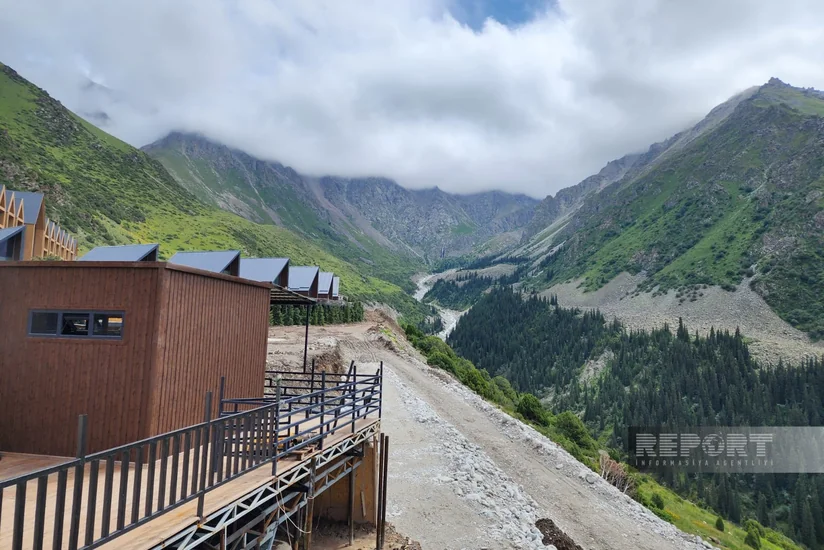
Kyrgyzstan (officially the Kyrgyz Republic) is a mountainous, landlocked country located in Central Asia, bordered by Kazakhstan to the north, China to the east and southeast, Tajikistan to the south, and Uzbekistan to the west. Renowned for its dramatic alpine landscapes, crystal-clear high-altitude lakes, and rich nomadic heritage, Kyrgyzstan is often referred to as the "Switzerland of Central Asia." Spanning over 199,000 square kilometers, the nation is dominated by the majestic Tien Shan and Pamir mountain ranges, which cover more than 80% of its territory, making it a premier global destination for mountaineering, trekking, and eco-tourism.
Ancient Civilizations and Nomadic Roots: The territory of modern Kyrgyzstan has been inhabited for thousands of years by various nomadic tribes and ancient cultures. During the Middle Ages, the region served as a vital crossroads for the Great Silk Road, where merchants, caravans, and scholars traversed mountain passes connecting China, the Middle East, and Europe.
Kokand Rule and Russian Expansion: In the 19th century, the region fell under the control of the Khanate of Kokand before being incorporated into the Russian Empire in the 1860s and 1870s. Following the 1917 revolution, it became the Kirghiz Autonomous Soviet Socialist Republic and later the Kyrgyz Soviet Socialist Republic (Kyrgyz SSR) in 1936.
Independence and Democratic Transition: With the dissolution of the Soviet Union, Kyrgyzstan declared its independence on August 31, 1991. Since then, the country has undergone a dynamic political evolution, characterized by significant constitutional reforms and democratic transitions.
Alpine Terrain: With average elevations exceeding 2,750 meters, the country boasts towering peaks such as Victory Peak (Jengish Chokusu, over 7,400 meters) and Khan Tengri.
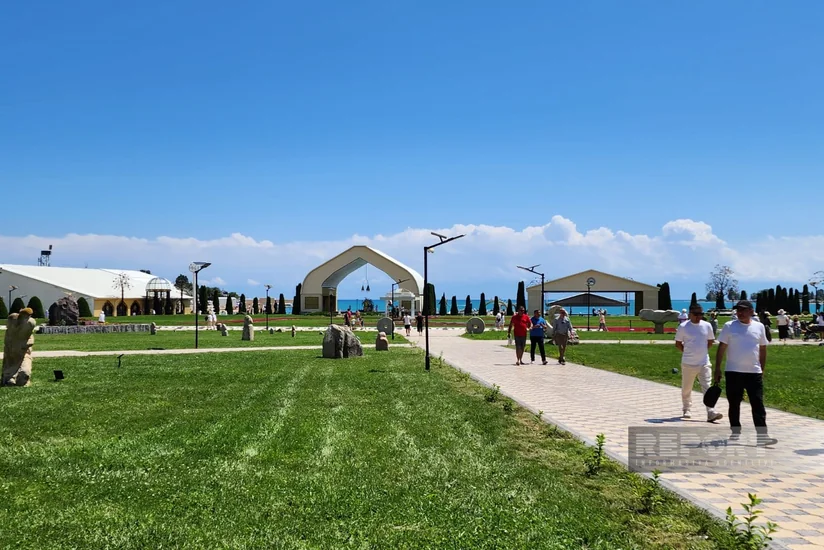
Issyk-Kul Lake: Nestled within the northern Tien Shan mountains lies Lake Issyk-Kul, the second-largest alpine lake in the world. Despite freezing surrounding winters, the lake never freezes due to its slight salinity and thermal mineral springs, serving as the country's primary resort hub.
Song-Kul and Pamir: Other natural treasures include the high-altitude pasture lake Song-Kul—where nomadic herders still live in traditional felt tents (yurts) during summer months—and the remote, rugged landscapes of the Pamir Highway.
Epic of Manas: Kyrgyzstan’s cultural identity is deeply rooted in oral tradition, most notably the Epic of Manas, one of the longest epic poems in world literature, celebrating the exploits of the legendary national hero Manas.
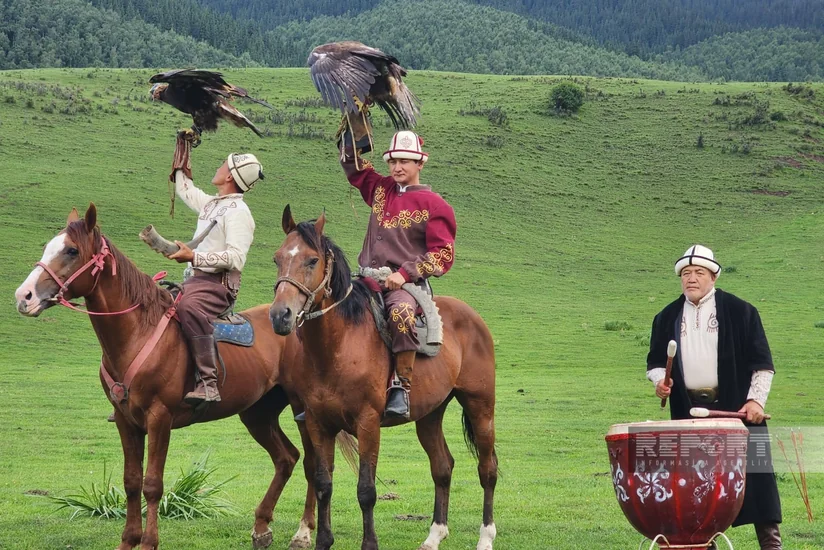
Nomadic Traditions: Traditional arts such as felt-making (exemplified by the shyrdak carpets), horsemanship games (like kok-boru), and yurt construction are recognized as part of UNESCO’s Intangible Cultural Heritage. Hospitality remains a cornerstone of Kyrgyz society.
Agriculture and Mining: The economy relies heavily on agriculture (livestock breeding, cotton, tobacco, and fruit production), gold mining (particularly the Kumtor gold deposit), and remittances sent home by hundreds of thousands of migrant workers abroad.
Hydropower Potential: Blessed with fast-flowing mountain rivers, Kyrgyzstan possesses immense green energy potential, currently harnessed by large hydroelectric power plants such as the Toktogul Dam, with major regional projects like the Kambar-Ata-1 hydropower station under active development.

 Baku 22° C