Georgia (in Georgian: Sakartvelo / საქართველო) is a sovereign transcontinental country located in the Caucasus region at the crossroads of Eastern Europe and Western Asia. Bounded by the Black Sea to the west, Russia to the north and northeast, Turkey and Armenia to the south, and Azerbaijan to the southeast, Georgia spans 69,700 square kilometers across the dramatic valleys and peaks of the Caucasus Mountains. As a democratic republic with its capital and largest city in Tbilisi, Georgia is celebrated for its ancient history, legendary hospitality, unique indigenous language and script, and its standing as one of the world's oldest winemaking nations.
Ancient Civilizations: Georgia’s historical roots trace back to ancient kingdoms such as Colchis and Iberia. Christianity was adopted as the state religion in the early 4th century, establishing a resilient cultural identity through centuries of invasions by Persian, Byzantine, Mongol, and Ottoman empires.
Tsarist and Soviet Era: Following periods of fragmentation and annexation by the Russian Empire in the 19th century, Georgia declared a brief independence in 1918 before being incorporated into the Soviet Union as the Georgian SSR.
Modern Independence: On April 9, 1991, Georgia restored its independence following the dissolution of the USSR, establishing a parliamentary republic committed to European and Euro-Atlantic integration.
Stunning Landscapes: The country features an extraordinary range of natural topography, from the subtropical coast of Adjara on the Black Sea to the towering alpine heights of the Greater Caucasus (including iconic peaks like Mount Kazbek and Svaneti's medieval towers) and the fertile vineyards of Kakheti.
Tourism Destination: Georgia is a major global travel hotspot, renowned for its ancient cave cities (Uplistsikhe, Vardzia), UNESCO-listed architectural monuments (such as those in Mtskheta and Gelati), and mineral springs like Borjomi.
Agriculture and Winemaking: Widely recognized as the birthplace of wine, Georgia boasts an 8,000-year uninterrupted winemaking tradition utilizing unique underground clay jars (qvevri). Agriculture also thrives in tea, hazelnuts, and citrus production.
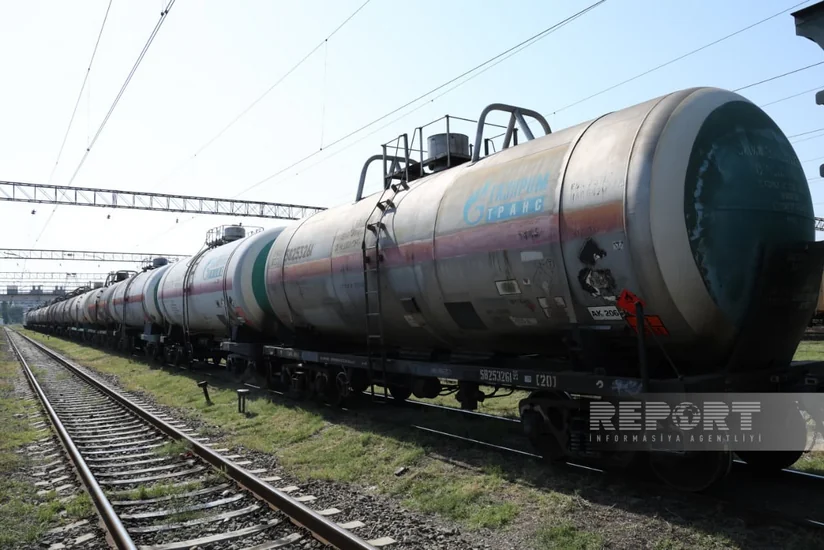
Transport and Energy Corridors: Occupying a pivotal transit role in the South Caucasus, Georgia hosts critical international infrastructure, including oil and gas pipelines (such as Baku-Tbilisi-Ceyhan) and the Black Sea transport corridors linking Caspian energy markets to Europe.
Unique Heritage: Georgia possesses its own distinct family of Kartvelian languages and a unique 33-letter alphabet recognized by UNESCO as intangible cultural heritage.
Georgian Cuisine: Celebrated worldwide, Georgian culinary traditions feature iconic dishes like khachapuri (cheese-filled bread), khinkali (spiced meat dumplings), and traditional supra (feast) culture accompanied by polyphonic singing.

 Baku 21° C