Caspian Sea is the world's largest inland body of water, classified geographically as the planet's largest enclosed endorheic lake while historically and conventionally referred to as a sea due to its vast oceanic proportions and saline regime. Situated at the crossroads of Eastern Europe and Western Asia, the Caspian basin spans an area of approximately 371,000 to 386,000 square kilometers, with a maximum depth exceeding 1,000 meters in its southern depression. The body of water is bounded by five littoral states—Azerbaijan, Russia, Kazakhstan, Turkmenistan, and Iran—making it a vital geopolitical, economic, and ecological hub across the Eurasian continent.
Endorheic Basin and Inflows: The Caspian Sea has no direct natural outlet to the World Ocean. Its water level is governed by precipitation, evaporation, and massive river inflows, most notably the Volga River, which accounts for the vast majority of fresh water entering the northern basin, alongside the Kura, Ural, and Terek rivers.
Salinity Gradients: Due to its landlocked nature and varying climatic conditions across its vast latitudinal range, the salinity of the Caspian varies drastically. The northern shallow sections near river deltas feature near-fresh water, whereas the central and southern deep basins, as well as evaporative lagoons like the Kara-Bogaz-Gol, exhibit high salinity levels.
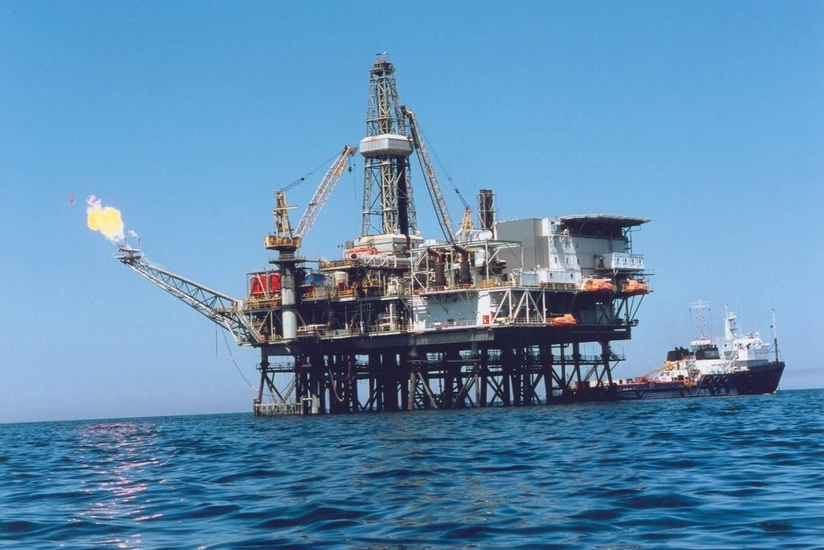
Global Energy Storehouse: The Caspian basin contains some of the richest offshore oil and natural gas reserves on Earth. Major developments in the Azerbaijani sector—such as the Azeri-Chirag-Gunashli (ACG) oil field and the Shah Deniz gas condensate field—alongside massive deposits in Kazakhstan and Turkmenistan, supply energy to international markets.
Pipeline Corridors: Extraction sites are connected to global markets through critical transit infrastructure, including the Baku-Tbilisi-Ceyhan (BTC) oil pipeline and the Southern Gas Corridor, ensuring energy security for Europe and neighbouring regions.
Sturgeon and Caviar: The sea is renowned for hosting a unique, ancient ecosystem that supports roughly 90% of the world's sturgeon population. These waters are the primary global source of authentic black caviar.
Endemic Fauna: The Caspian basin is home to hundreds of endemic species found nowhere else on the planet, including the Caspian seal (one of the world's smallest true seals), various unique mollusks, and distinctive fish species adapted to the inland sea environment.
Legal Convention (2018): Following decades of complex post-Soviet negotiations, the leaders of the five Caspian nations signed the landmark Convention on the Legal Status of the Caspian Sea in Aktau in August 2018, establishing a regulatory framework for territorial waters, shared environmental protection, and seabed delimitation.
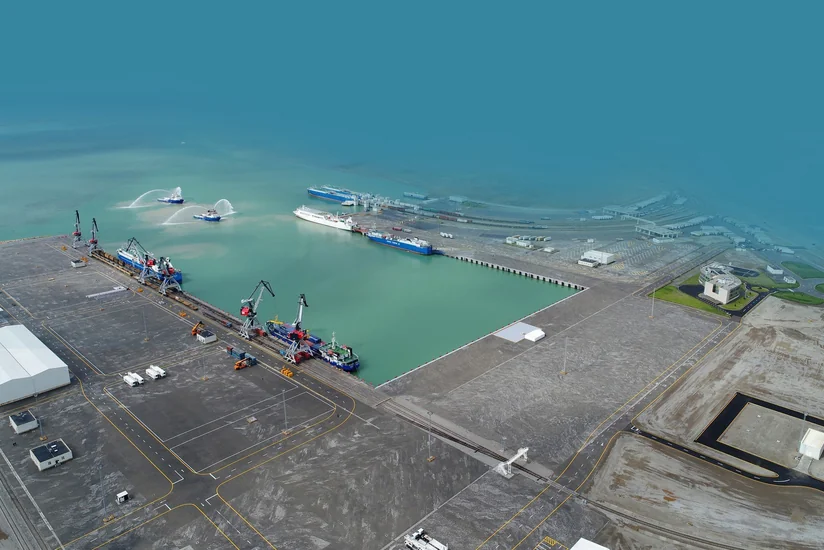
The Middle Corridor: The Caspian Sea acts as an indispensable natural bridge for the Trans-Caspian International Transport Route, commonly known as the Middle Corridor. Modernized logistics hubs—such as the Port of Baku in Azerbaijan, the Port of Aktau in Kazakhstan, and the Port of Turkmenbashi in Turkmenistan—facilitate rapid cargo and container transit between China, Central Asia, and European markets.

 Baku 9° C