
 Baku 17° C
WUF13 session discusses future directions of urban planning
- 19 May, 2026
- 18:59
Stay up to date with the top news!
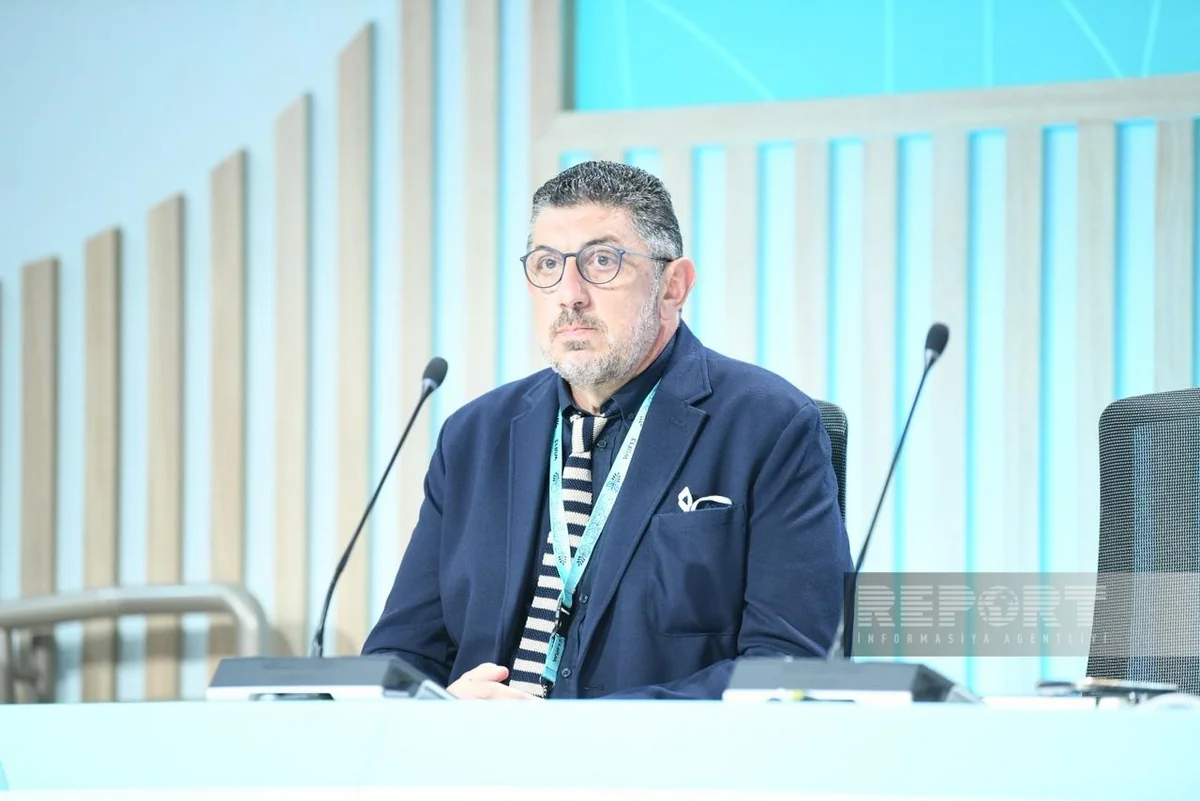
During the session titled "Bridging Global Urban Expertise with Local Communities" held within the framework of the 13th session of the World Urban Forum (WUF13), discussions were held on future directions of urban planning, community participation, and inclusive governance models, Serbian professor of international urban planning, Ali Alrauf, stated in his speech that one of the main priorities of WUF13 is the more active involvement of the younger generation in urban planning and decision-making processes, Report informs.
In his opinion, this approach will strengthen the role of a new generation of planners and specialists in the governance of cities in the future.
"The platform is specifically designed for young people and young planners who will be in decision-making positions in the future."
Alrauf also emphasized that the forum, in essence, promotes a shift away from traditional governance approaches toward more open, participatory, and community-based models:
"This change envisages the more active participation in the urban planning process not only of the state and experts, but also of local residents, community representatives, and various social groups. This approach serves the more sustainable and socially equitable development of cities."
German architect Rolf Schuett drew attention to the importance of coordination at global and local levels in the discussions. He noted that modern urban planning should not be limited only to the institutions participating in forums; at the same time, connections should also be established with communities that cannot attend these platforms physically or institutionally: "This necessitates the establishment of broader communication and inclusive mechanisms in urban planning."
Serbian professor Darinka Golubović highlighted the importance of multidisciplinary cooperation in the field of engineering and urban planning. According to her, sustainable urban development should not be limited to technical solutions alone; social factors should also be taken into account to the same degree:
"Infrastructure should be more adaptable and human-centered. The goal is not only to build strong structures, but also to create spaces where people can live safely and collaborate, and which can develop over time. In this sense, sustainability is not only a technical issue, but also a social one."
Author