Baku 19° C
IEA chief: Run-up in prices to generate unprecedented $2 trillion windfall for oil and gas producers
- 11 November, 2022
- 11:21
Stay up to date with the top news!
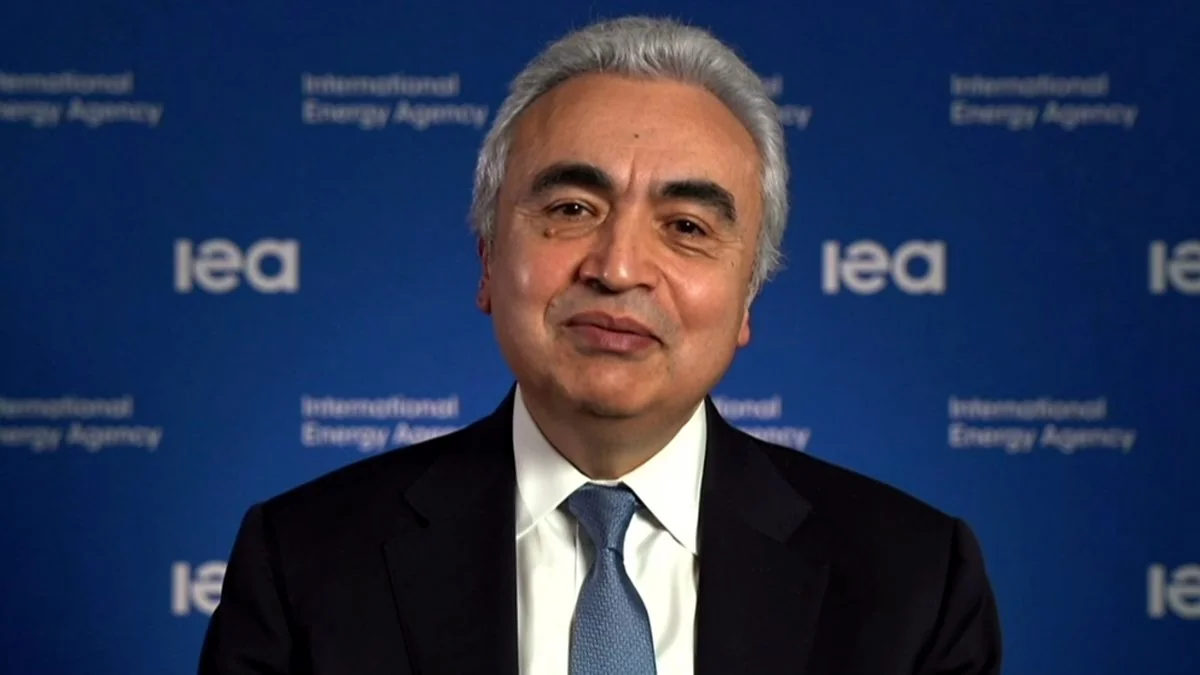
The run-up in prices is set to generate an unprecedented $2 trillion windfall for oil and gas producers this year, bringing their total income to a record $4 trillion in 2022, Report informs, quoting from the article of Fatih Birol, the Executive Director of the International Energy Agency.
"The current situation offers a crucial opportunity for the oil and gas sector to show it is serious about the transition to clean energy. The run-up in prices is set to generate an unprecedented $2 trillion windfall for oil and gas producers this year, bringing their total income to a record $4 trillion in 2022. Yet the oil and gas industry is still spending only modestly on energy transitions: on average, clean energy spending accounts for about 5 percent of total oil and gas company capital expenditure. That is up from 1 percent in 2019, but still far too little," Birol said.
"Let’s not forget that energy security is not just about increasing the supply of power and fuels. It is also about efficient use of energy—especially given today’s array of technologies that can help. The IEA’s 10-Point Plan to Reduce the European Union’s Reliance on Russian Natural Gas, published in March—one week after Russia’s invasion—includes steps to replace Russian gas but also calls for major push on renovating building stock to reduce demand. Better materials and insulation, newer technologies, and more efficient appliances greatly reduce the energy needed to heat, cool, and light our homes and workplaces. Smart electrical grids will better manage and reduce power demand. Consumers can take immediate and simple steps such as adjusting the thermostat to avoid overheating or overcooling, which can collectively add up to massive savings," he said.
According to the IEA chief, even though the current energy crisis was triggered by Russia’s invasion of Ukraine, it is necessary to still 'pay close attention to these underlying investment imbalances as we emerge from the crisis, or we risk more volatility ahead.'
"Are today’s sky-high fossil fuel prices a signal to invest in additional supply or further reason to invest in alternatives?" he asks.
"Energy investment decisions are being clouded by the fog of war. Russia’s invasion has thrown investment plans across all energy sectors into turmoil and exacerbated strains in global commodity markets that were already visible. Energy importing countries are now scrambling to replace disrupted supplies of fuels, and soaring costs have wreaked havoc in many economies and forced millions of people back into poverty and energy insecurity.
"Of course, countries need to find immediate substitutes for the fuel imports that were suddenly cut off. If not, factories will close, jobs will be lost, and people will struggle to heat or cool their homes. But today’s energy crisis—the first truly global energy crisis—has given rise to a false narrative that now is not the moment to invest in clean energy.
"This could not be further from the truth. We do not have to choose between responding to today’s energy crisis and tackling the climate crisis. Not only can we do both, we must do both because they are intimately linked. Massive investment in clean energy—including energy efficiency, renewables, electrification, and a range of clean fuels—is the best guarantee of energy security in the future and will also drive down harmful greenhouse gas emissions," Birol said.
He noted that the current global energy crisis presents huge challenges, especially for the coming winters.
"But after the winter comes spring—and the right investment decisions can transform this crisis into a historic turning point toward a cleaner and more secure energy future. We are already seeing encouraging steps in this direction—such as the Inflation Reduction Act in the United States; the REPowerEU package in the European Union; Japan’s Green Transformation plan; and the growth of renewables in China, India, and beyond. A new global energy economy is emerging, and the governments and businesses that invest early and wisely stand to reap the benefits," Birol said.
Author