Baku 18° C
Oppression of Armenian executioners of NKVD, acquittal and new documents: "We want a monument to Sultan Bey in Lachin" - VIDEO
- 25 January, 2023
- 06:26
Stay up to date with the top news!
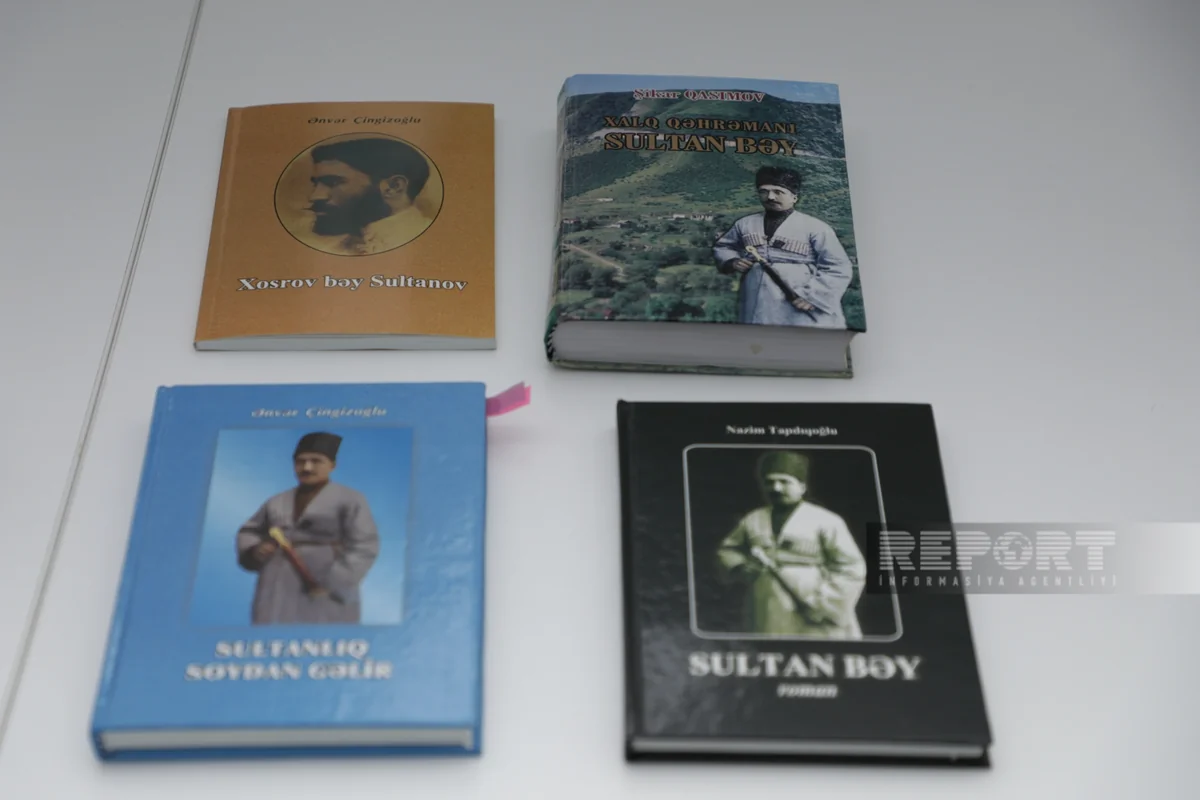
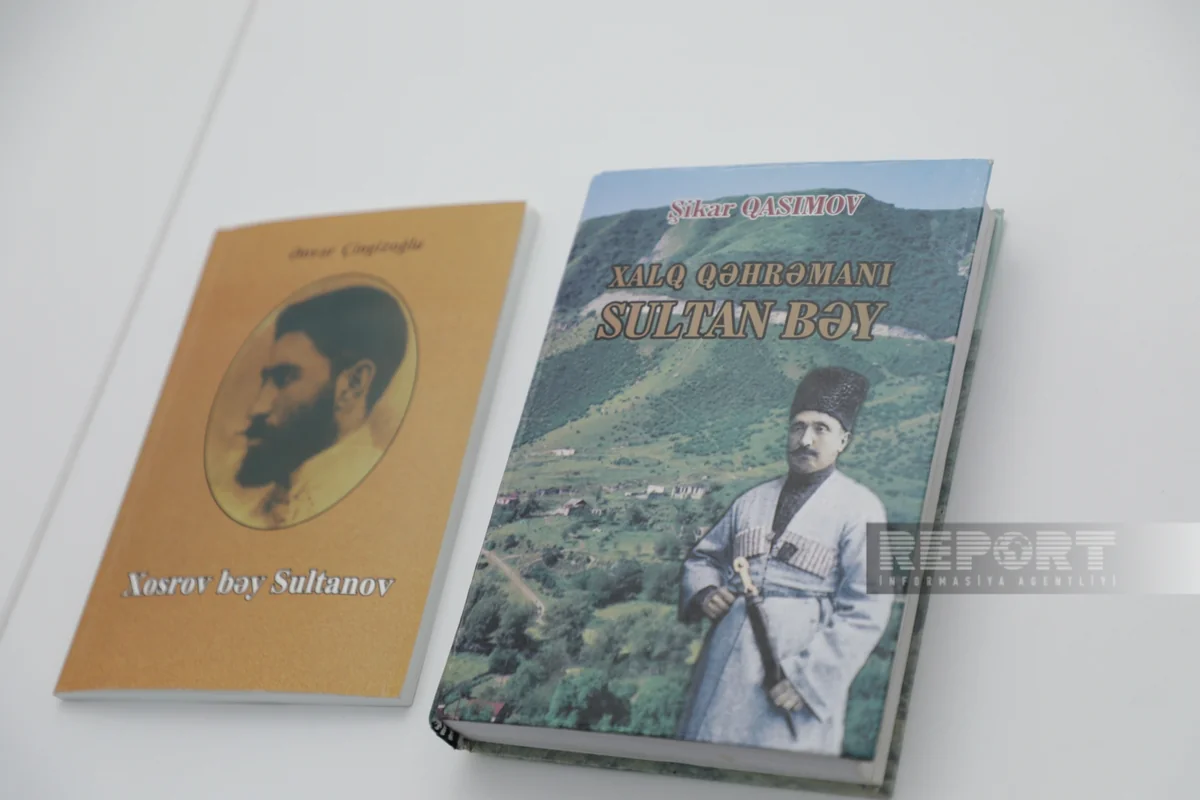
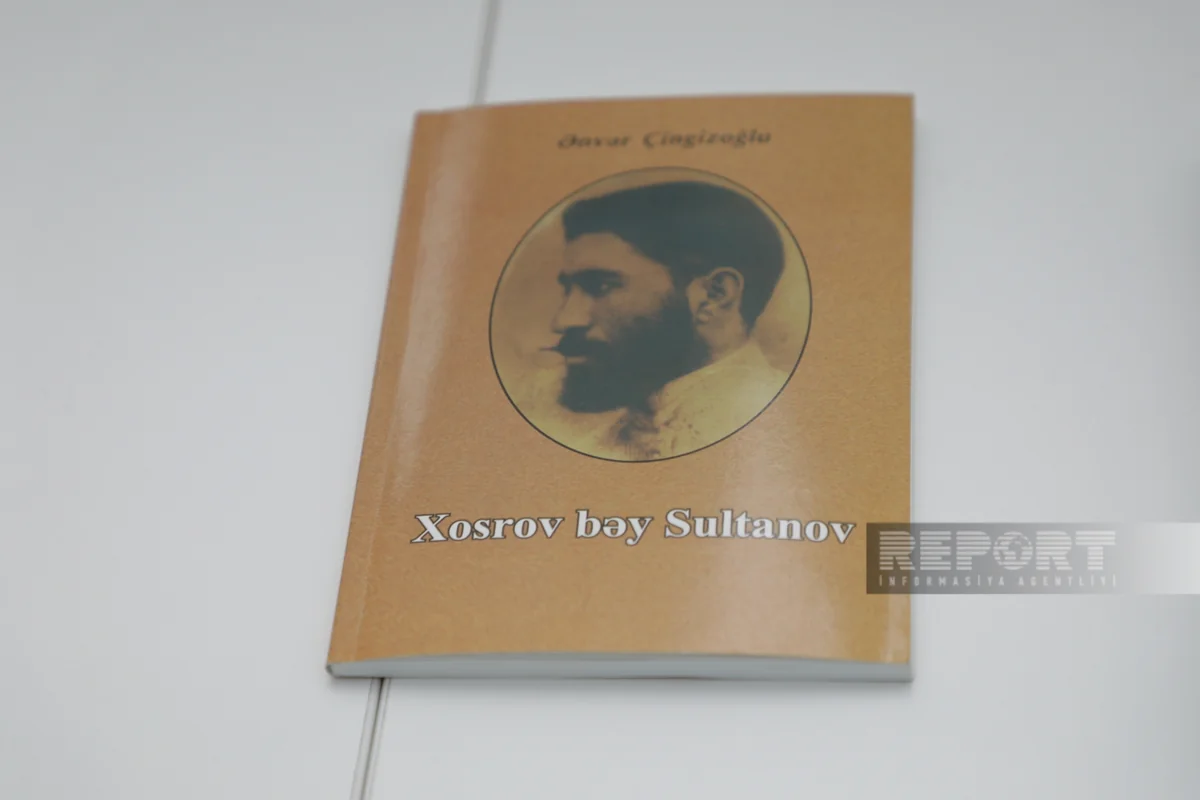
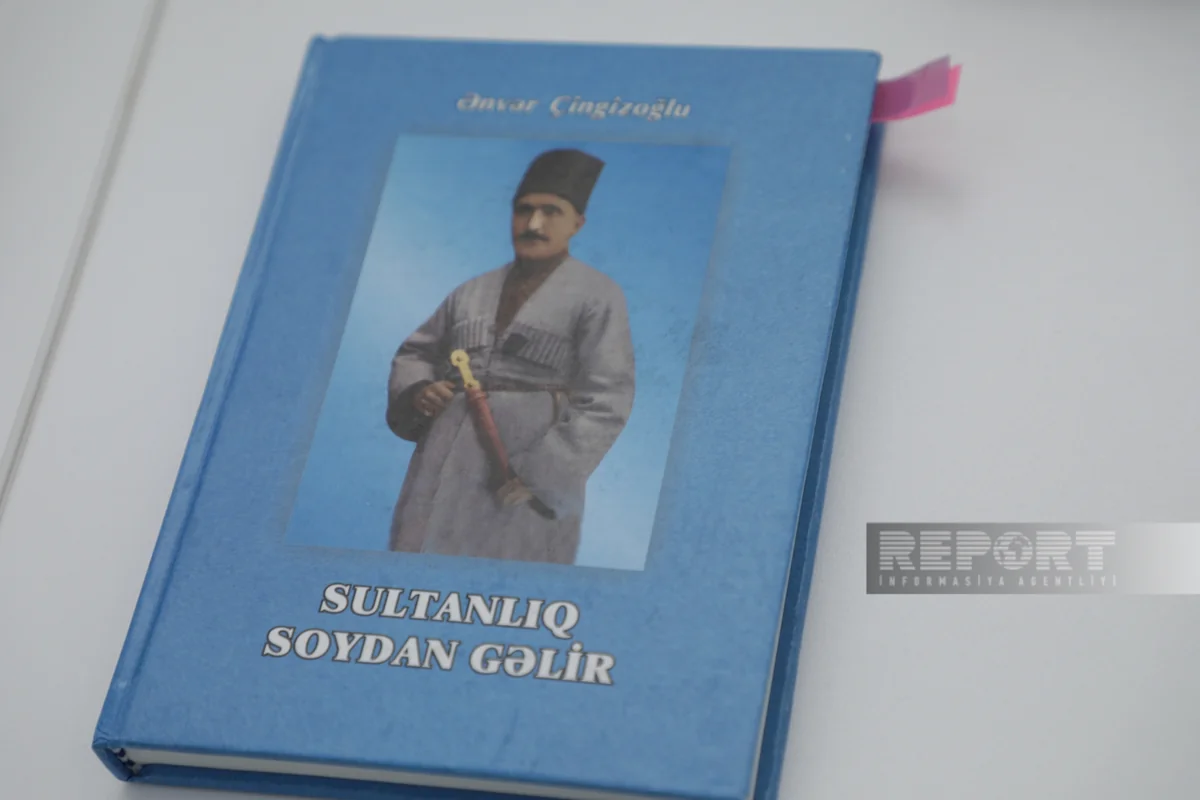
We will talk about historical personalities Khosrov Sultanov and Sultan Sultanov, whose names were engraved forever on the glorious pages of the history of Azerbaijan.
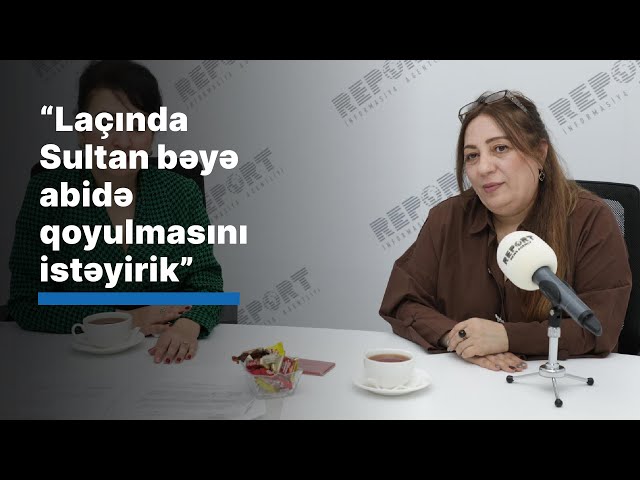
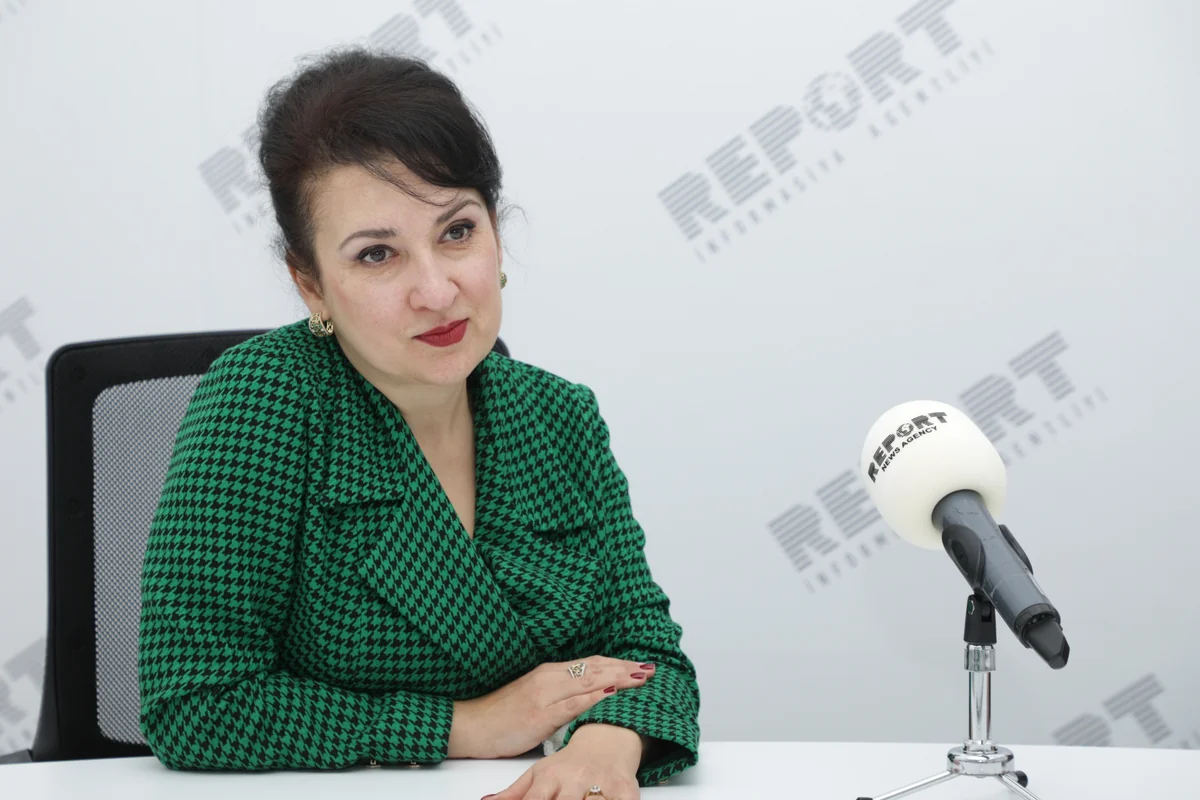
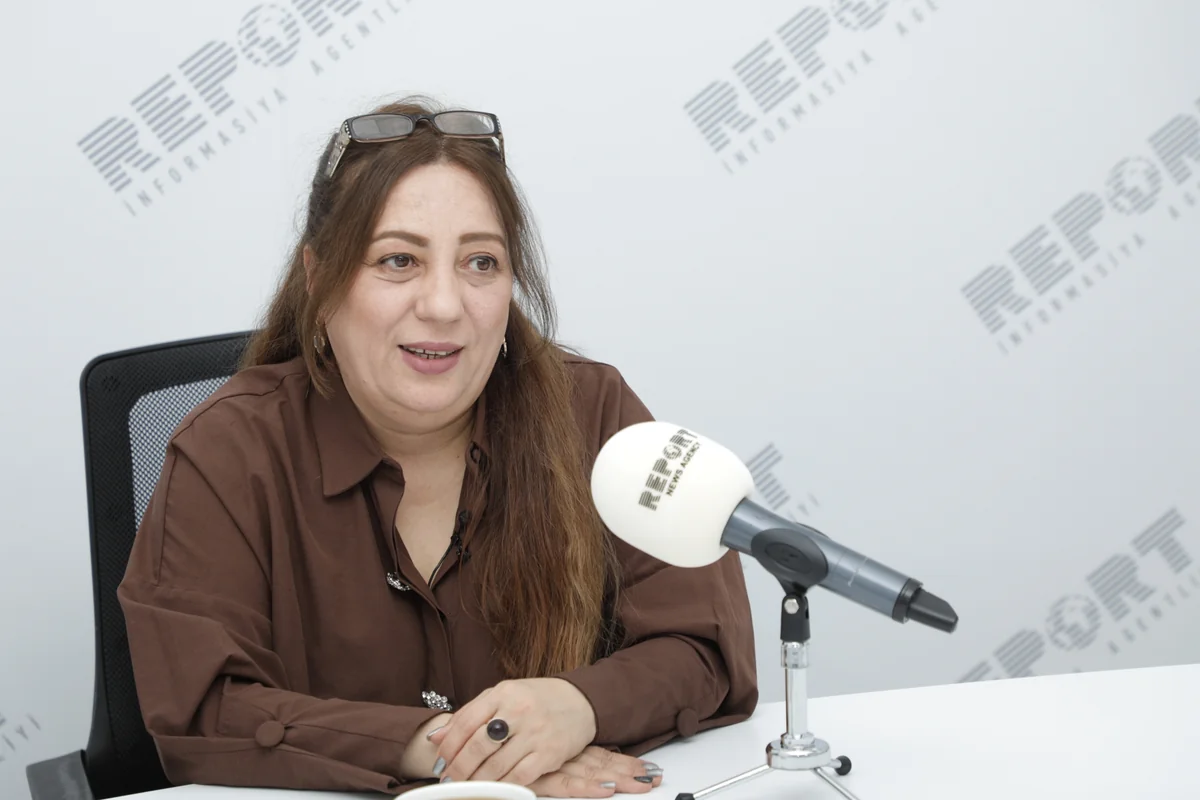
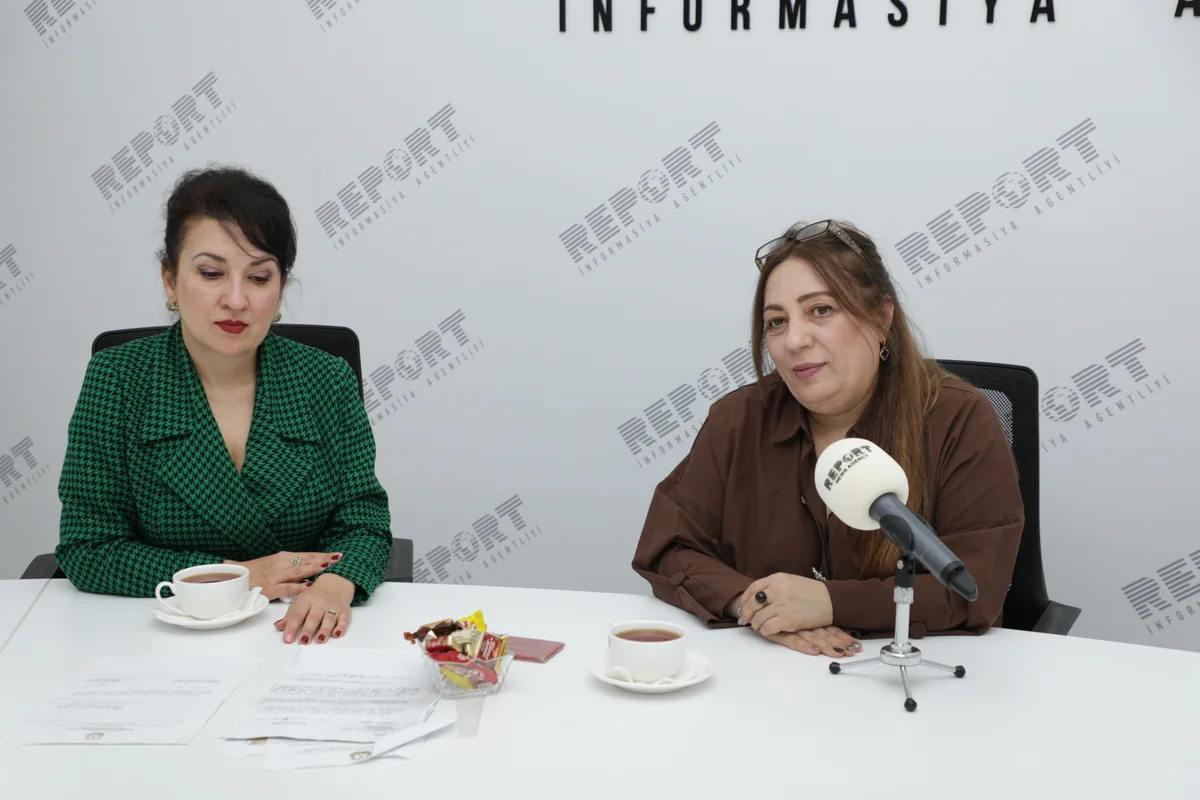
Report met with Irada Muradova and Khatira Guliyeva, the great-granddaughters of the Sultanovs, and talked about the life and activities of the historical figures.
The Sultanov brothers were born in Zangazur county, Kurdhajy village (Kurdhajy village, Lachin district). Sultan bey Sultanov was born in 1871, and Khosrov bey Sultanov in 1879.
To start our conversation, we asked Irada Muradova how she learned for the first time that her great-grandfathers were historical figures.
She said that it started with her interest in the reasons why his father's passport shows Kazakhstan as his place of birth: "When we were children, we used to ask my father, 'Why are our relatives around us were born in Azerbaijan, but you were born in Chiragkurgan, Kazakhstan?' The answers given at that time were not so comprehensive, but after growing up, my father and grandmother talked extensively about our grandfathers and their family's life in exile. We then found out that our great-grandfathers were Sultan bey Sultanov and Khosrov bey Sultanov. Until the end of his life, my father Elbrus Muradov researched the fate of our grandfathers, where they lived after the Soviet troops invaded Azerbaijan on April 28, 1920, in which country they died, and the location of their graves."
"Sultan Bey defeated Andronik's 30,000-strong Dashnak army in the Zabukh valley of Lachin"
According to Khatira Guliyeva, the father of the Sultanov brothers, Alipasha Bey, was married twice and had several children.
"Our grandfathers were born from the marriage of Alipasha Bey with his first wife Beyim Khanum. Both Sultanov brothers have higher education and became governor-general. Khosrov Bey worked as the governor-general of Shusha, and Sultan Bey was highly respected in Zangazur and protected the territory of present-day Lachin from the enemy.
After receiving his secondary education here, Khosrov Bey entered the Medical Faculty of St. Petersburg Military School and returned to Azerbaijan after graduating from the school. He was the first military minister of the Azerbaijan Democratic Republic, which was proclaimed on May 28, 1918. Although Sultan Bey also studied at the Military Academy in St. Petersburg, he could not graduate from the school for an unknown reason and returned to the country. He led the battles against Armenian bandits in Zangezur county. Armenians hated Sultan Sultanov. Because in February 1919, Sultan Bey defeated Andronik's approximately 30,000-strong Dashnak army in Lachin's Zabukh valley and Armenians failed in establishing power in Karabakh. After that battle, Zabukh valley was called "Bloody valley." Sultan Bey defended not only Lachin, but all of Karabakh and Shusha. Sultan Bey's wife, our great-grandmother Dilruba Khanum was a descendant of Karabakh Khans."
At this time, Irada Muradova talks about Khosrov Bey's interesting acquaintance with a foreign girl and how this acquaintance resulted in marriage: "When he saw a Russian officer teasing a girl on the street while he was a student, Khosrov Bey defended the girl and had a duel with the officer. The officer shot and wounded Khosrov Bey in the eye. Khosrov Bey killed the officer who teased the girl. Later it turned out that the girl was the daughter of the university rector. Khosrov Bey married that girl and they had two children. Sultan Bey had three sons and one daughter. He named his daughter Beyim in honor of his mother. The names of his sons were Chingiz, Anvar and Yusifkamal. Anvar Bey was our grandfather."
"The Iranian government can no longer protect him"
The great-grandchildren say that after Azerbaijan was invaded by Soviet troops in April 1920, Sultan Bey and Khosrov Bey were forced to leave the country: "Khosrov Bey first went to Paris and then to Istanbul, where he died. Sultan Bey first went to Iran and lived there. Sultan Bey returned several times to take his family, but he could not. Then some problems arose and the Iranian government said they could no longer protect him. Because in those days, the Soviet government wanted to bring Sultan Bey back and punish him."
"Atatürk met with him and promised to protect him"
Irada Muradova says that Sultan Bey was forced to go to Turkiye after all these events: "Üe have information that at that time, Ataturk met with him and promised to protect him. In general, it is said that both our grandfathers had close relations with Atatürk."
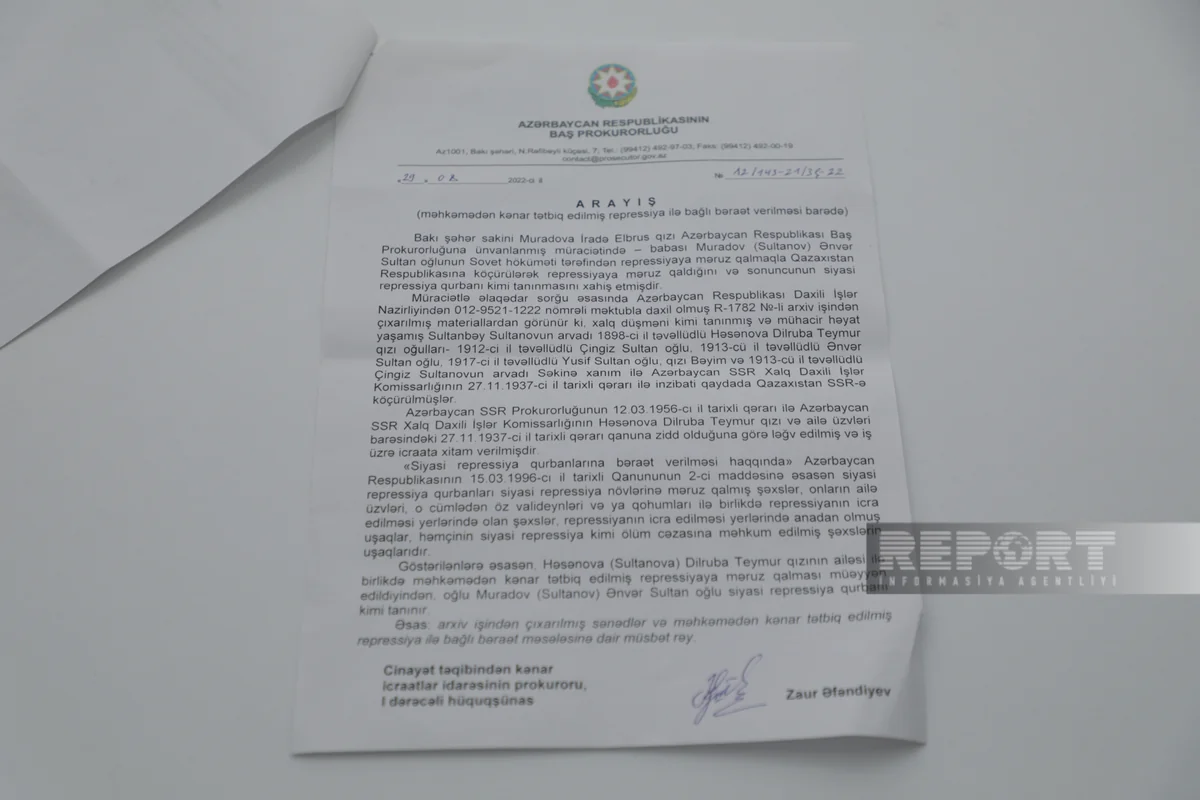
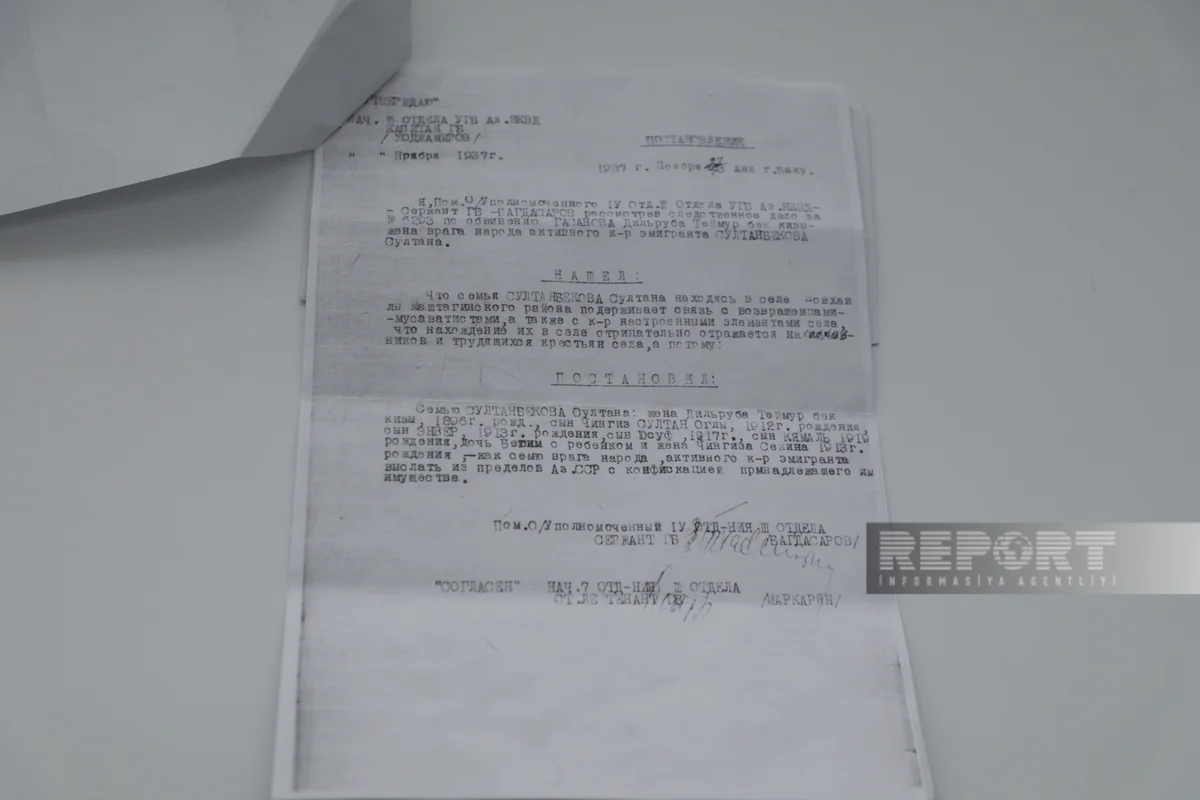
"At that time, our grandmother Dilruba also came from Shusha and started living in Novkhani, Baku. She changed her last name and took her maiden surname in order to lose track. However, this was not enough to lose tracks; they were exiled together with their families. Armenians are the cause of their exile. At that time, the vast majority of people working in the People's Commissariat of Internal Affairs (NKVD) of the Azerbaijan SSR were Armenians. They searched for grandmother. My grandmother worked at a factory in Novkhani. My grandmother's sisters were all in Baku. But they lived freely. The only problem was that Dilruba was the wife of Sultan Sultanov. For this reason, in 1937, they were packed into rail cars and deported to the steppes of Kazakhstan, hungry and thirsty. At that time, Beyim, the daughter of Dilruba Khanum, also came to visit them, and they took her away too."
"The era of repression ends, everyone returns to Azerbaijan"
Khatira Guliyeva talks about the difficult life of her great-grandmother and her children in exile: "The intention of the deporters was to kill my grandmother and her family. But they found strength and lived there. There were many Azerbaijanis in exile. My grandmother raised her children and got them married there. Our grandfather Anvar Bey married an Azerbaijani lady in exile in Kazakhstan, the daughter of a nobleman from Goychay. Anvar Bey taught his wife and compatriots there. Anvar Bey had five children from his marriage. One of them was my father, and another was Khatira's mother. During the exile, my grandmother was informed that Sultan Bey married a second time and had a child, but he drowned in the river at the age of 15. After the end of the period of repression, everyone returned to Azerbaijan. But still, when getting a job, there were still obstacles related to the surname. Therefore, the children took the surname Muradov. In fact, their great-grandfather's name was Murad. That's why they became Muradov."
"Armenians took it upon themselves to take revenge on Sultan Bey and his family"
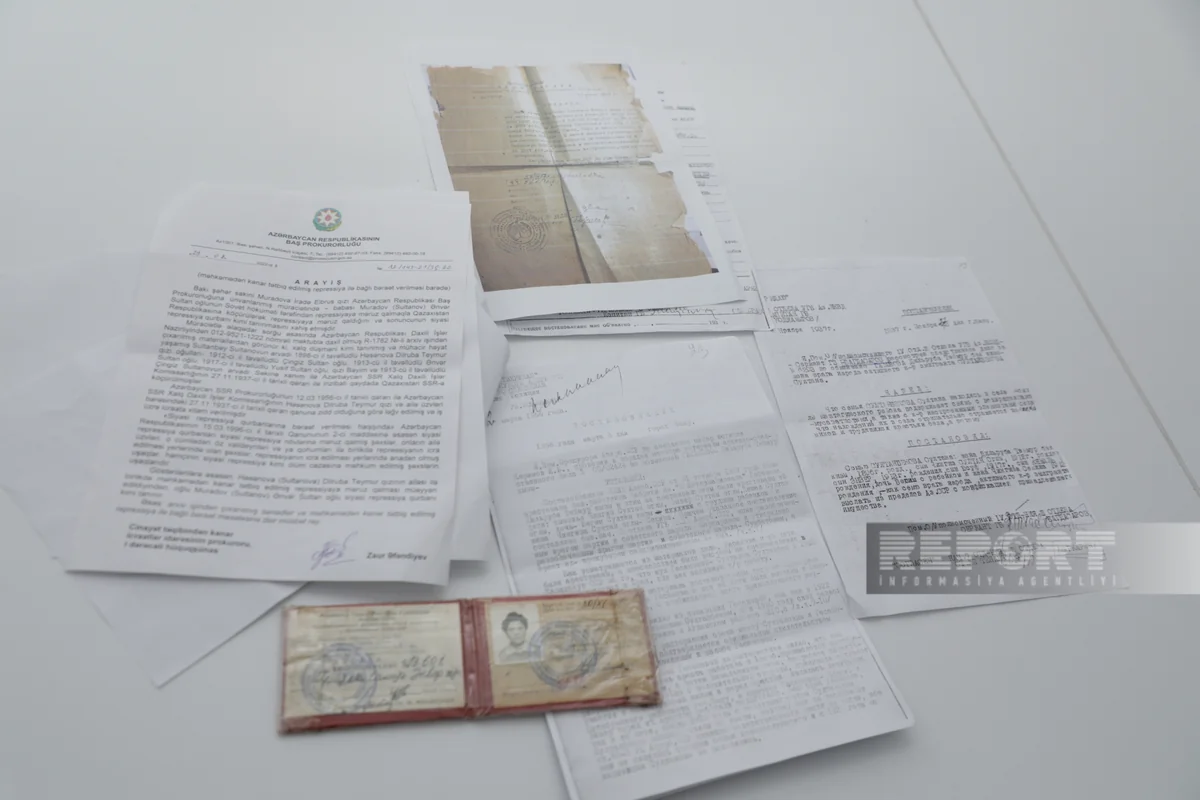
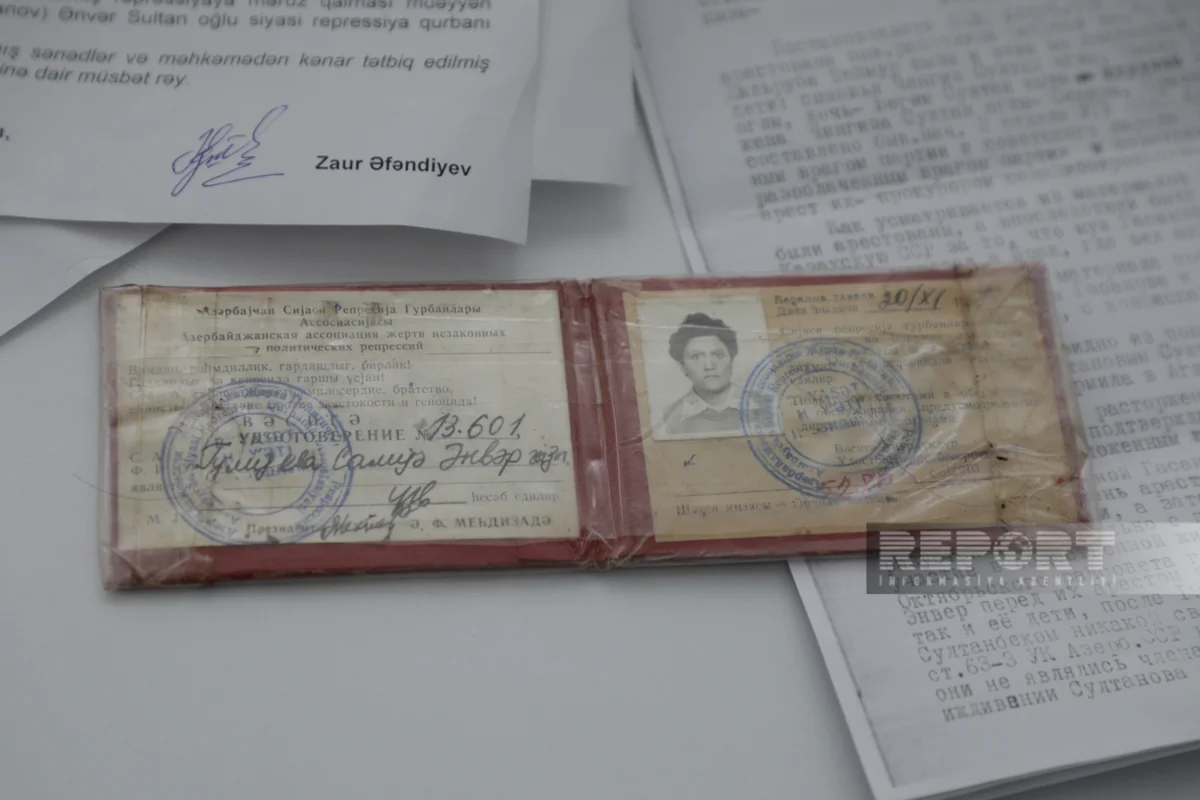
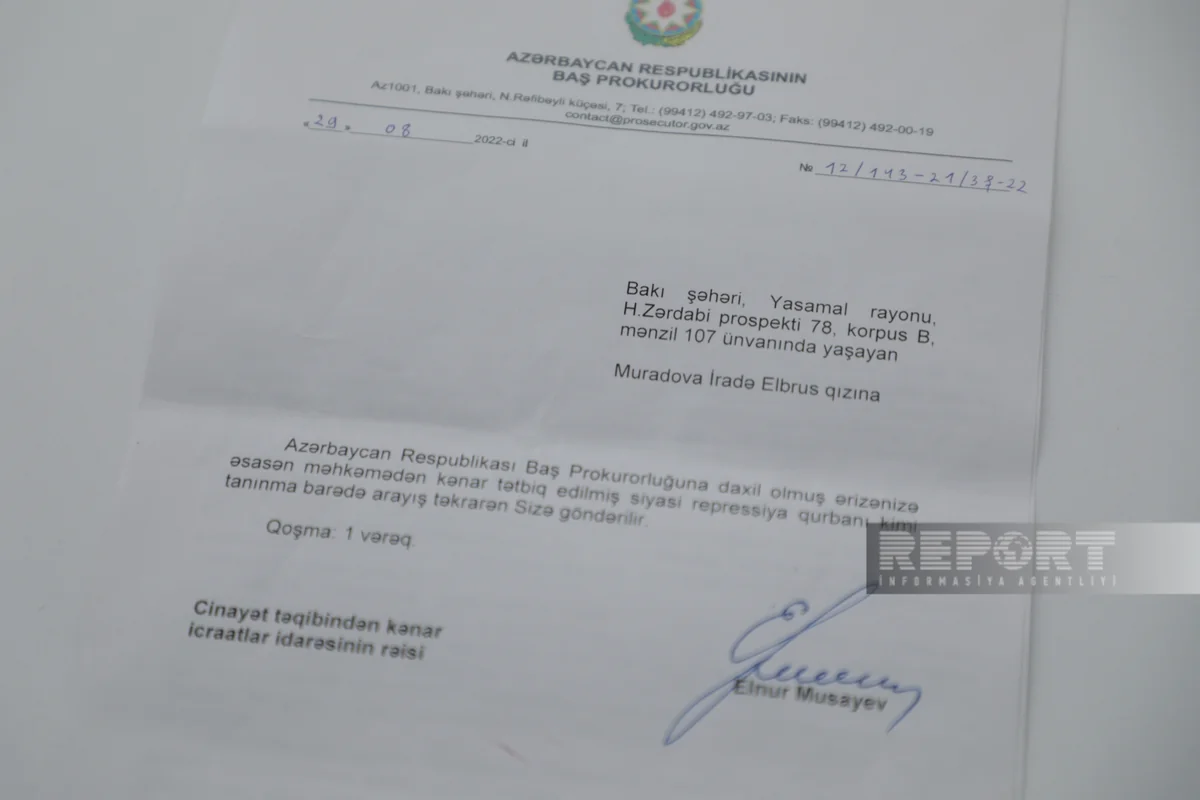
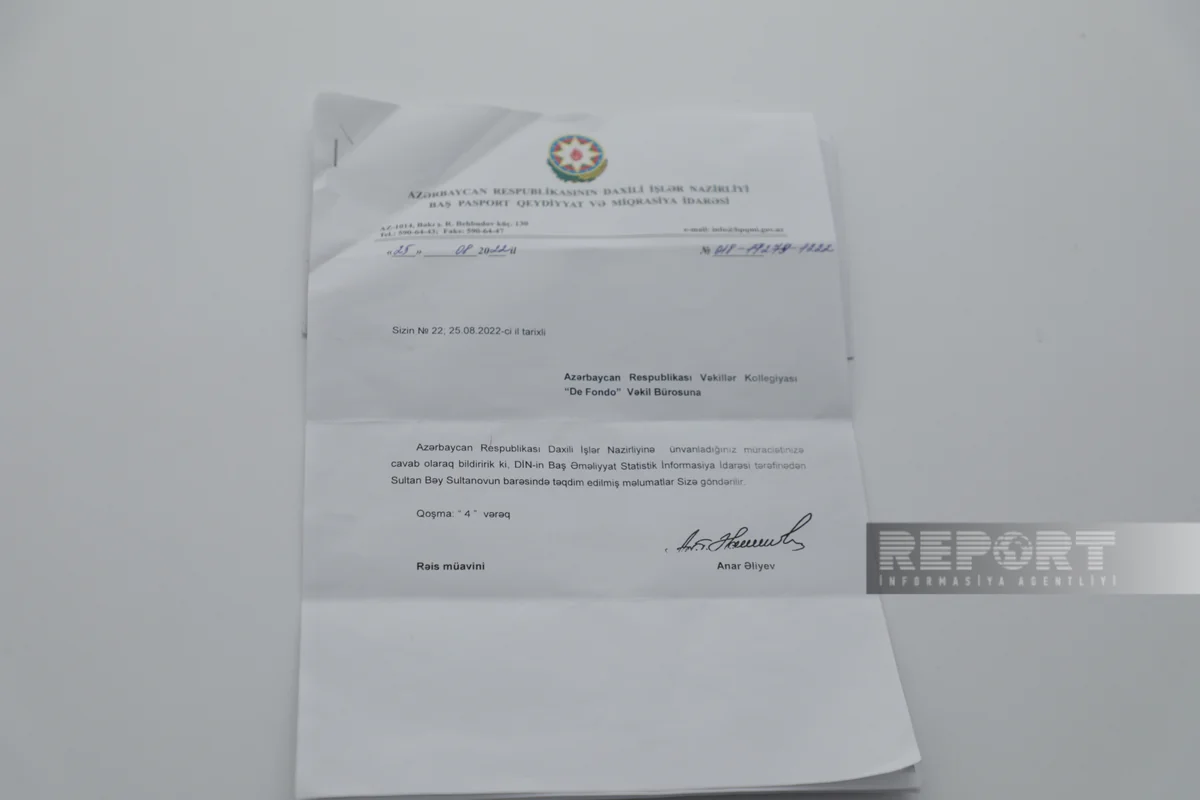
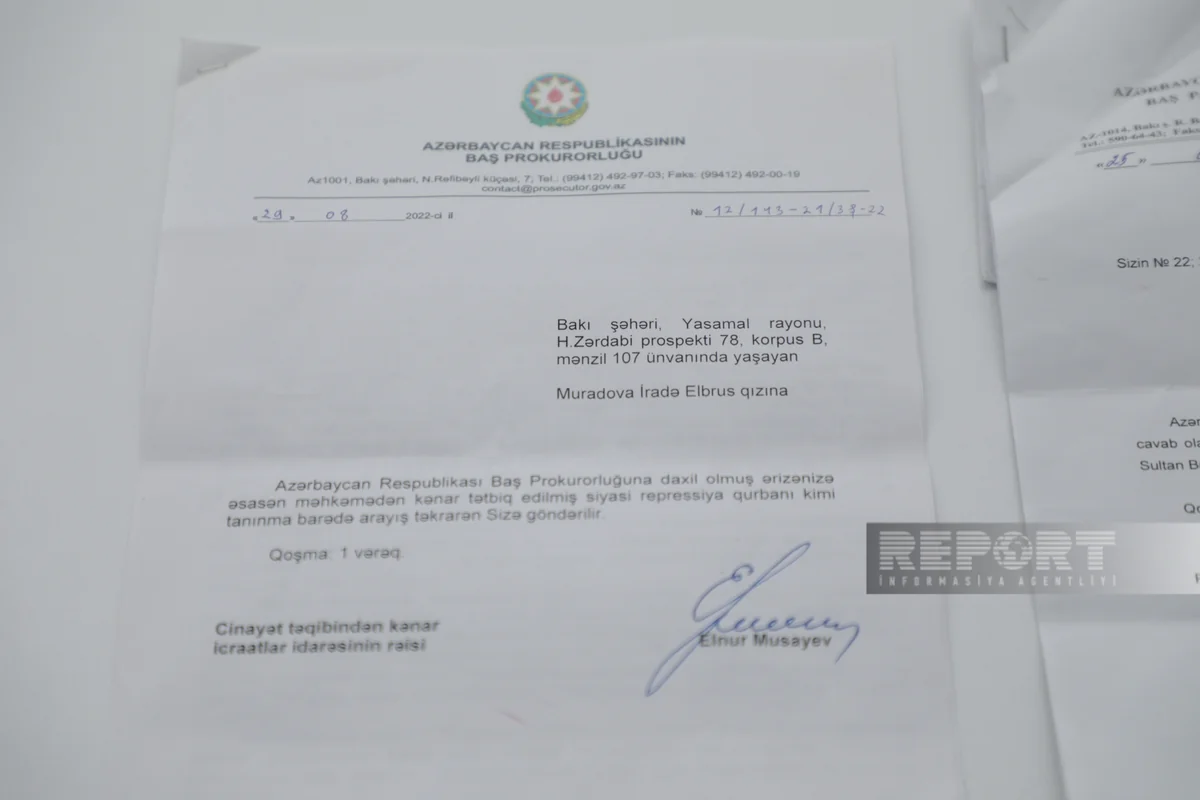
Irada Muradova says that she found new documents regarding the matter because she felt it her duty to continue her father's research: "According to these documents, Armenians played a big role in the tracking, persecution and exile of Sultan Bey's family. Armenian leaders signed the exile documents. They took it upon themselves to take revenge on Sultan Bey and his family. Most of the documents related to Sultan Bey's life and family are in Tbilisi. They do not give those documents to anyone from the family. It should be investigated by a researcher or at the state level. In one of the documents, the reason for exile was mentioned as follows: 'Sultan Bey Sultanov's family lives in Novkhani settlement and they are in contact with Sultan Bey. We need to get them out of here. Because they are dangerous. All his family, his wife Dilruba and children should be deported from Azerbaijan. All their belongings must be confiscated.' Underneath this document are the signatures of Armenians named Markaryan, the head of the 7th department, and Bagdasaryan, who conducted the search. In other words, Armenians made the decisions regarding the fate of our family. In general, I intend to continue my research on these issues. This is our duty. Because our grandfather is one of the famous generals who fought against the Armenian separatists in Karabakh. My father did a lot of research about his grandfather's life in Turkiye. They contacted and talked with a relative named Adil from Lachin, living in Ankara. After these talks, my father went to Ankara and then to Kars in 2007. Because Lachin people living in Kars said that Sultan Bey's grave was there. There are also photos of my father's trip there. My father said that at first, he did not believe that this grave was our grandfather's. However, after making clarifications, he was sure that the grave was the grave of Sultan Bey."
"We want a home museum of Sultan Bey and Khosrov Bey to be established in Lachin."
The great-grandchildren want to perpetuate the name of their great-grandfathers: "Thankfully, the Lachin district is free now. We wished the name of our grandfathers, Sultan Bey and Khosrov Bey, to be perpetuated. We wish a house museum to be opened where they lived in Lachin, and to have a street named after them. Some time ago, we received a video of the house where Sultan Bey lived, the house was destroyed, and the walls remained. We would like the museum to be in that house. Although my father visited Lachin before the occupation, we have not been there. We want to go and see where our roots come from. On the day Lachin was liberated on December 1, 2020, I went to my father's grave early in the morning. I said that Lachin was free and he could rest in peace. My father was a very patriotic person."
Items preserved for a hundred years for a house museum
Khatira Guliyeva wants everyone to know about her heroic grandfathers: "If a house museum is created, I have two valuable items that I can offer. Our great-grandmother Dilruba Khanum had a vase and an ancient silver mirror that she brought from Lachin. That mirror was handed down to the eldest daughter as a legacy. My mother gave it to me. Sultan Bey did not have any belongings, because the family were exiled with only whatever they were wearing. Dilruba Khanum used to sell the gold coins on her belt when she was in trouble during her exile."
The great-grandchildren do not have detailed and accurate information about Khosrov Sultanov's emigration years.
Author