
 Baku 24° C
Ibrahim Canliel: Air Astana sees strong potential in AZAL partnership - INTERVIEW
- 10 July, 2026
- 15:11
Stay up to date with the top news!
The modern architecture of Eurasian logistics is increasingly built on the synergy of air and land routes, with the Caspian region serving as a strategic bridge between East and West. Amid rapid growth in transcontinental transit and the accelerated development of the Middle Corridor, Kazakhstan and Azerbaijan are creating a unified aviation framework for the macroregion, linking the largest markets of Asia and Europe. The synchronization of route networks, deeper codeshare cooperation between national carriers, the expansion of capacity and a joint response to global environmental challenges, in particular the introduction of sustainable aviation fuel (SAF), are becoming key drivers of the long-term resilience of the entire transport ecosystem of Central Asia and the Caucasus.
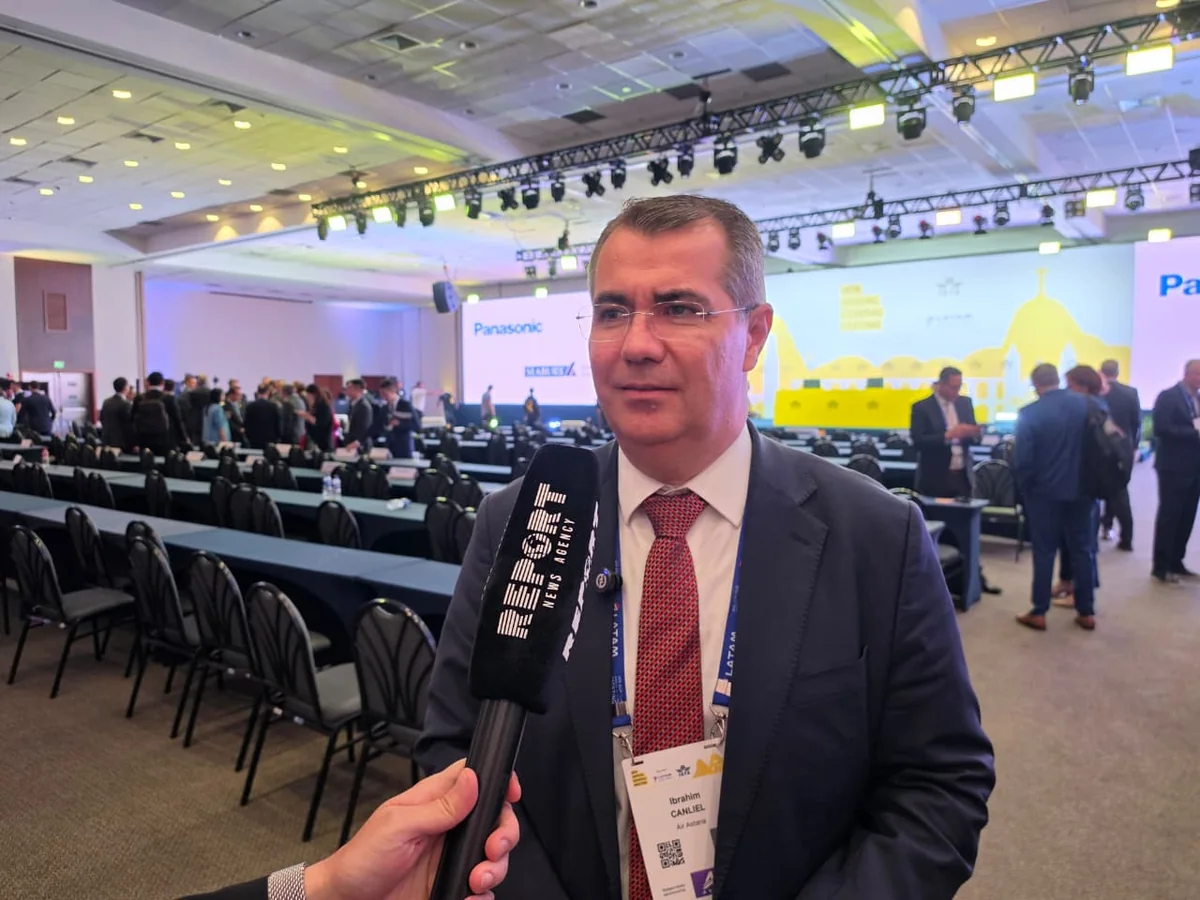
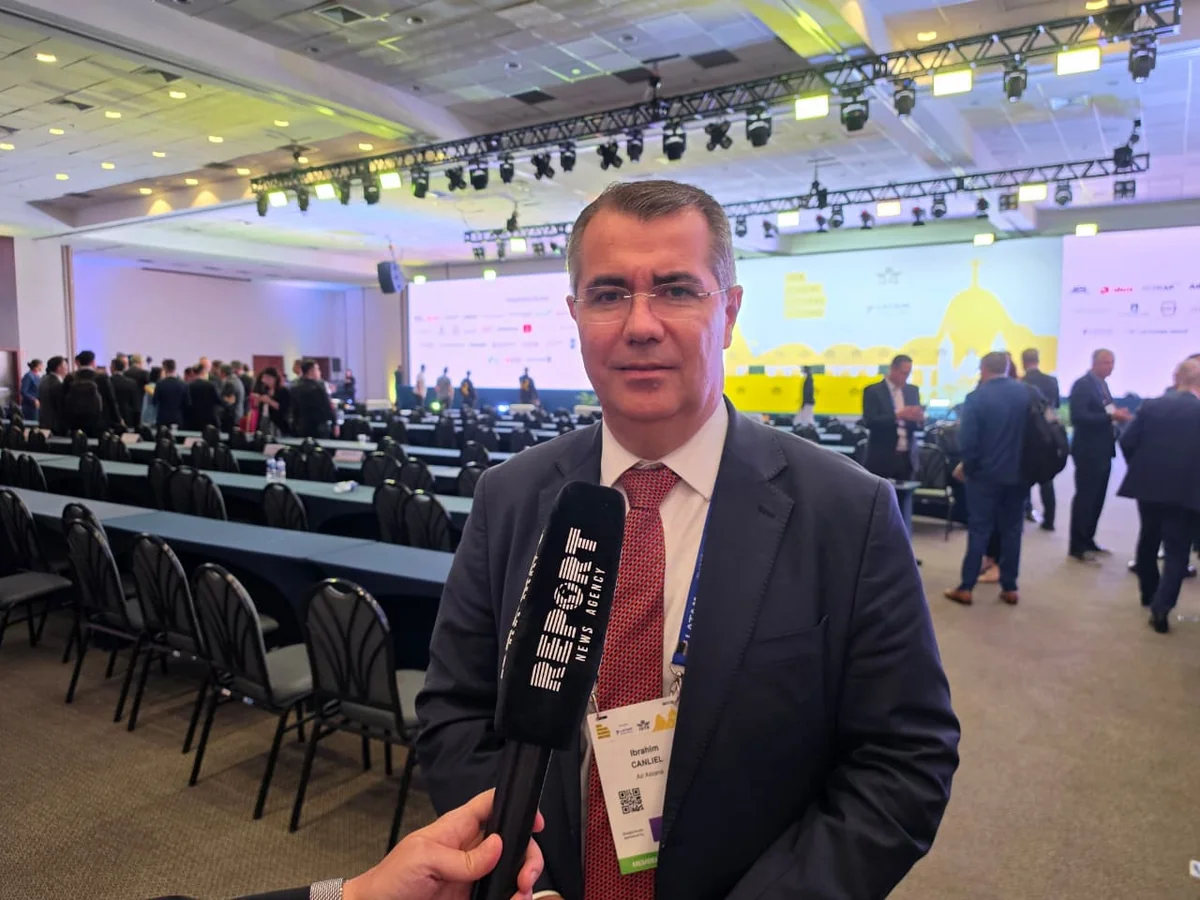
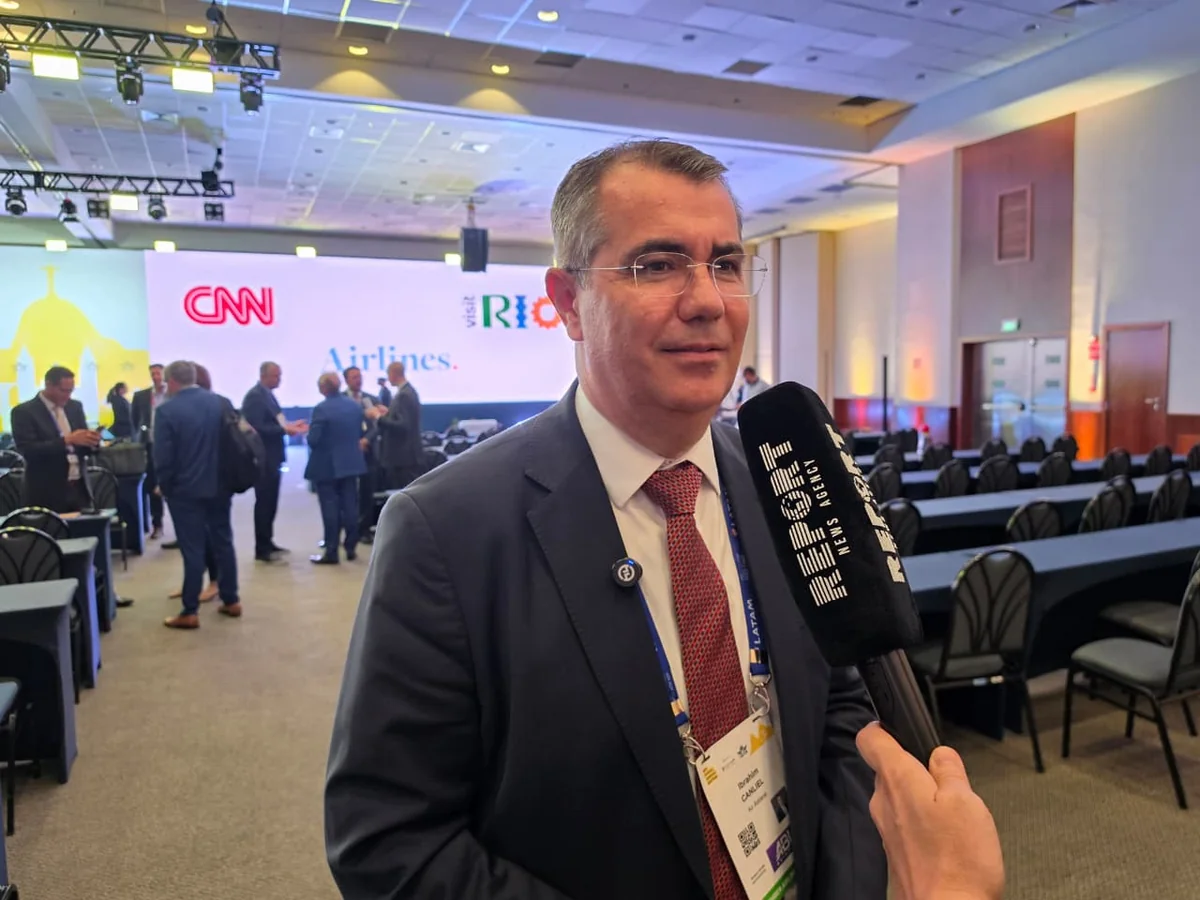
Ibrahim Canliel, Chief Executive Officer of Air Astana Group, spoke to Report in an exclusive interview about the company's strategic partnership with Azerbaijan Airlines CJSC (AZAL), the role of civil aviation in the development of the Trans-Caspian route and the prospects for green decarbonization.
Report presents the interview to its readers:
- Air Astana has successfully connected Kazakhstan and Azerbaijan for many years. How do you assess the dynamics of passenger traffic between the two countries over the past year? Is the airline considering increasing flight frequencies or launching new destinations in Azerbaijan?
- We see huge potential in the development of air links between Kazakhstan and Azerbaijan. This is driven not only by growing economic ties between our countries, but also by the active development of our route network.
Today, Air Astana and FlyArystan operate around 100 flights a week to destinations in Central Asia and the Caucasus. We operate 51 flights a week to China, more than 11 flights to South Korea, and more than two flights a day to Thailand, while in the winter season the frequency may reach four flights a day. We also fly to Delhi twice a day.
All this creates significant potential for both direct and transit passenger traffic. This year, we have already increased capacity on Air Astana and FlyArystan routes and intend to continue this work. In March alone, transit traffic grew by 158%, and we expect further growth, especially as new Asian destinations are opened via Kazakhstan.
- Is Air Astana considering launching new routes to Azerbaijan?
- We are analyzing various options. At present, Baku remains the most attractive and promising destination. At the same time, we are open to considering other destinations in Azerbaijan as demand grows and relevant market opportunities emerge.
- Baku is actively developing as a major international aviation hub. Do you see potential for closer cooperation between Air Astana and AZAL in creating convenient transit routes for passengers travelling between Asia, Europe and the Middle East?
- Absolutely. Azerbaijan Airlines is our partner, and our airlines have a codeshare agreement.
We highly value AZAL as a reliable partner and recognize the significant work the airline is doing to improve service standards and develop its route network. We are confident that there is considerable potential to further expand cooperation, both on routes between Kazakhstan and Azerbaijan and in the organization of transit traffic.
Azerbaijan has strong positions as a hub for westbound flights, while our route network is focused mainly on East and Southeast Asia. It is this complementarity that creates good opportunities for developing transit traffic. We expect to continue developing cooperation with AZAL, increasing flight frequencies and expanding the network of destinations served by both airlines in Kazakhstan and Azerbaijan.
- Azerbaijan and Kazakhstan now play a key role in the development of the Trans-Caspian International Transport Route, or the Middle Corridor. What opportunities does this project open up for Air Astana, and does the airline plan to increase passenger and cargo traffic through Baku?
- Both Kazakhstan and Azerbaijan play an important role in the development of the Middle Corridor, and we view this project as one of the key factors for further growth.
As I have already noted, we currently operate 51 flights a week to China, compared with 23 a year ago. This means flight frequency has increased by more than 120% over the past year. These flights are integrated into our network, which includes more than 100 weekly flights across Central Asia and the Caucasus.
We are convinced that the development of the Middle Corridor opens up virtually unlimited opportunities for Air Astana Group, both in terms of transit traffic and further expansion of the route network. We therefore intend to continue strengthening our presence in this area.
- Azerbaijan attaches great importance to the development of the green economy and the decarbonization of the transport sector. Is Air Astana considering cooperation with Azerbaijan on the introduction of sustainable aviation fuel (SAF) and the implementation of joint environmental initiatives?
- We fully support the development of sustainable aviation fuel and, as an airline, are interested in its widespread use. However, it should be understood that carriers are consumers of such fuel, not its producers. I think this applies equally to AZAL.
In Kazakhstan, we are already implementing joint projects with the national oil company and its aviation division aimed at organizing SAF production.
At the same time, we need this fuel to be available across our entire route network, including Azerbaijan. We are therefore open to dialogue and cooperation with all interested parties and reaffirm our commitment to a gradual transition to the use of SAF.
Author