 Baku 24° C
Cristian Terheș: EU needs dialogue with Azerbaijan, not constant criticism
- 17 June, 2026
- 11:04
Stay up to date with the top news!
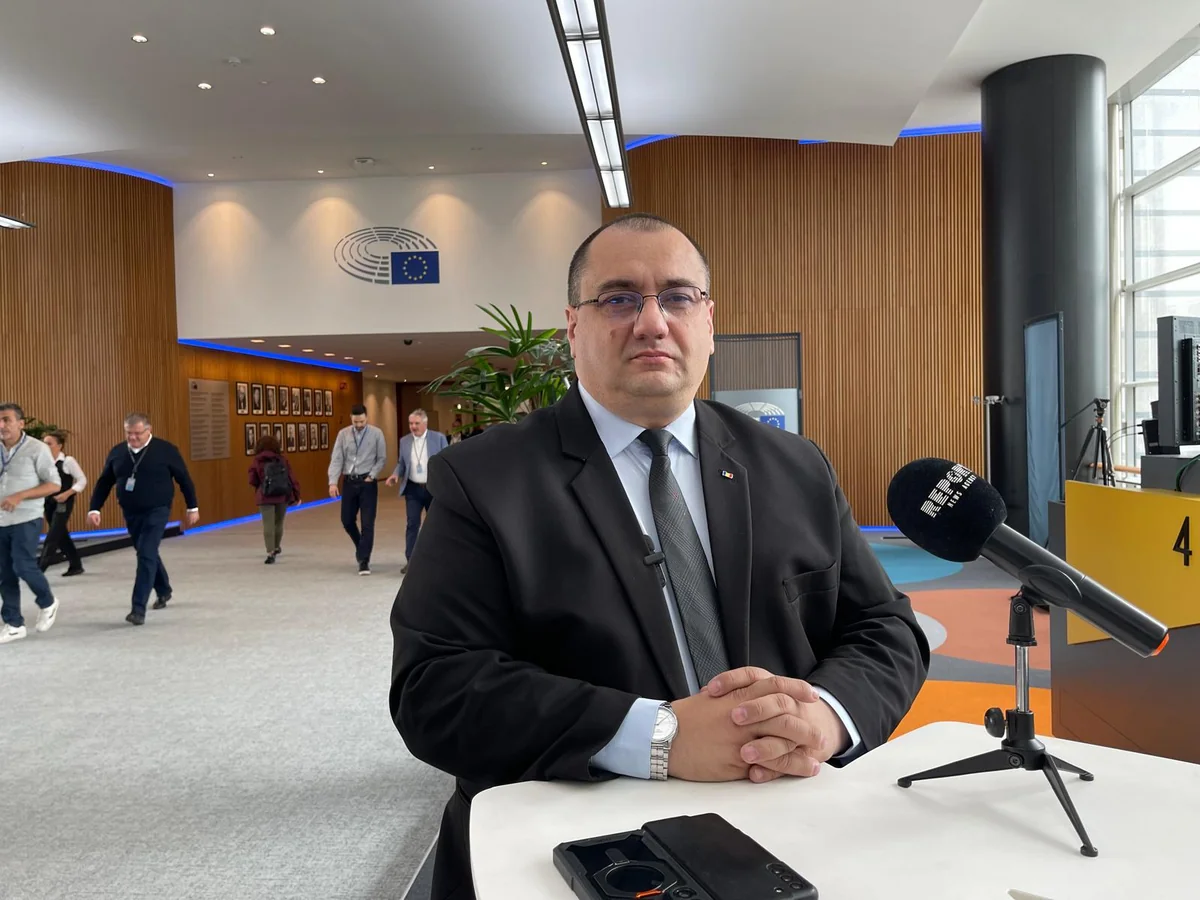
As relations between Azerbaijan and the European Parliament remain strained, Romanian MEP Cristian Terheș has emerged as one of the voices calling for a more pragmatic and balanced approach. Prior to the European Parliament's April resolution on support for Armenia, Terheș argued in a written explanation that references to Azerbaijan should not have been included in a document dedicated to Armenia, maintaining that issues concerning the two countries should be addressed separately.
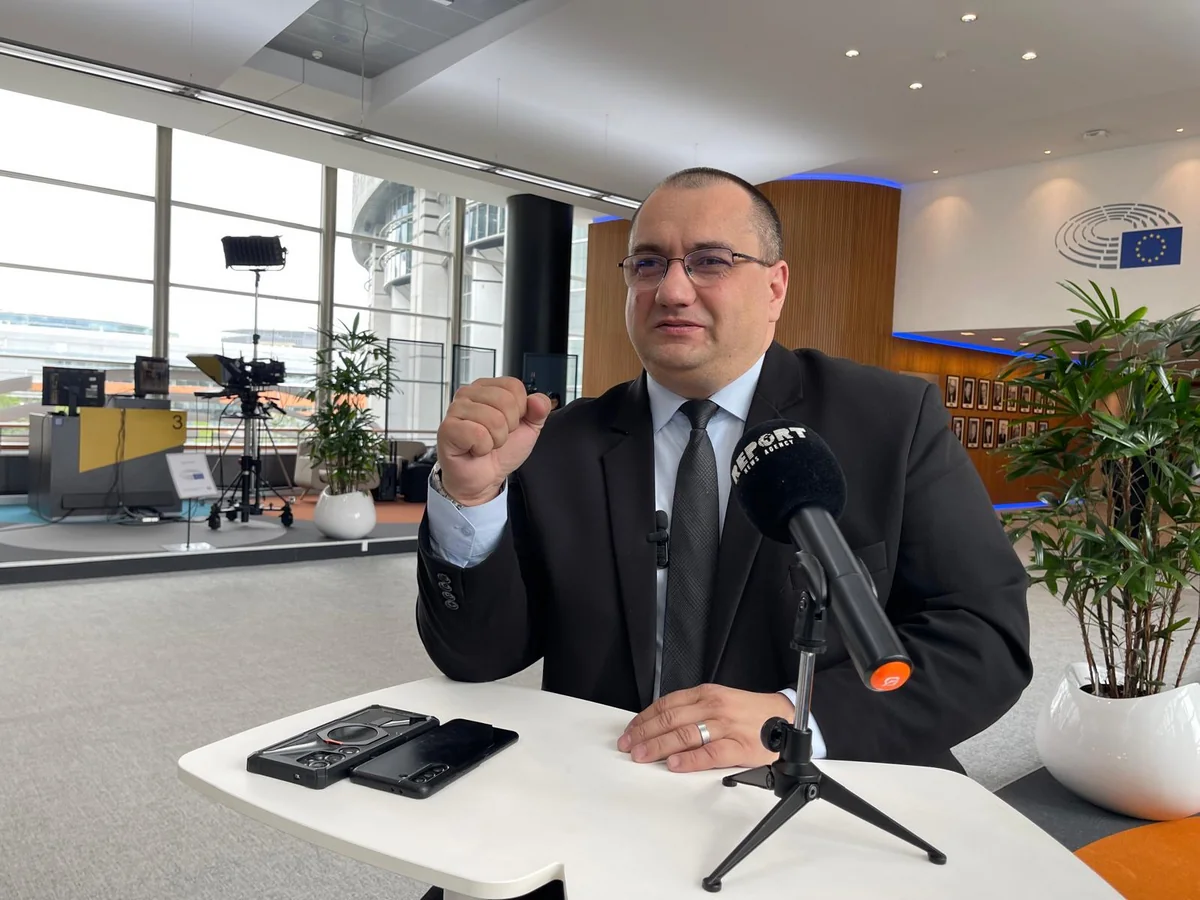
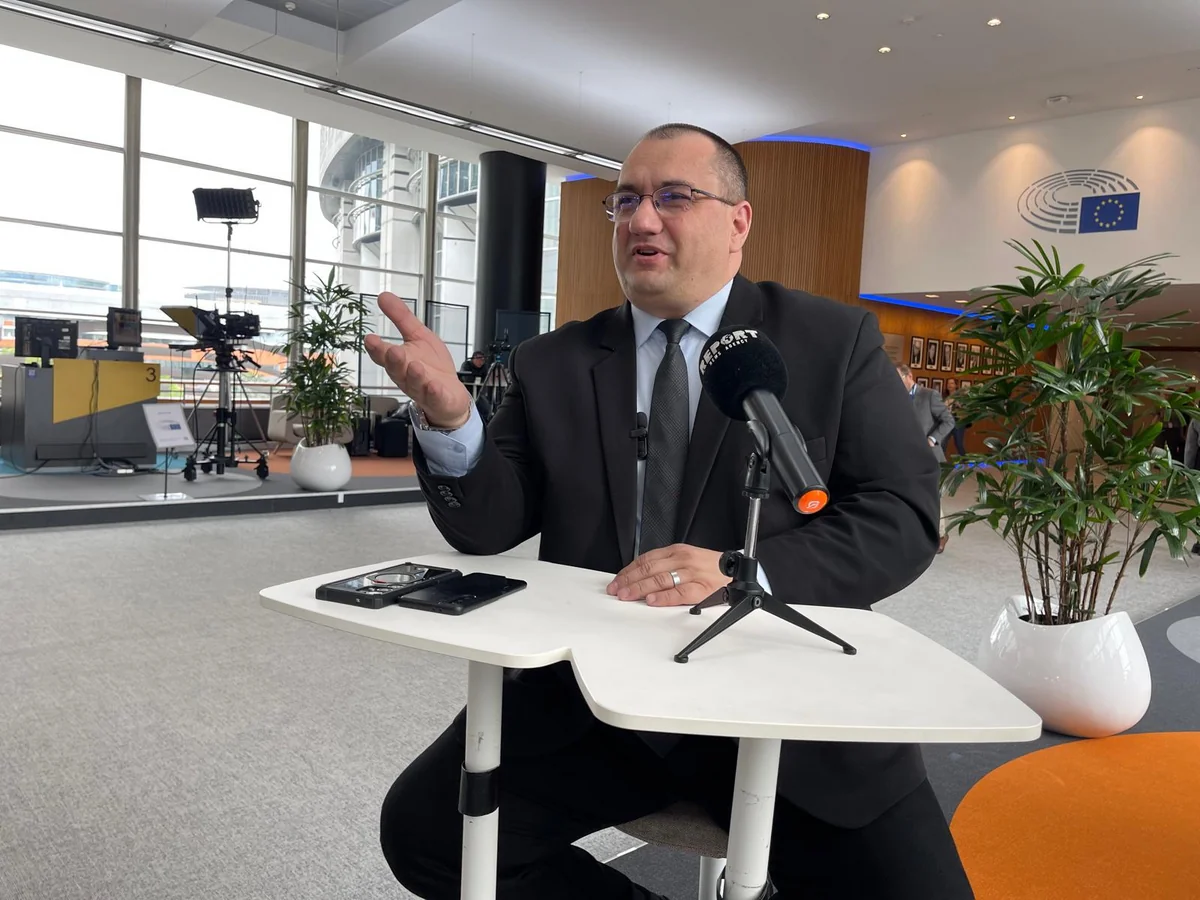
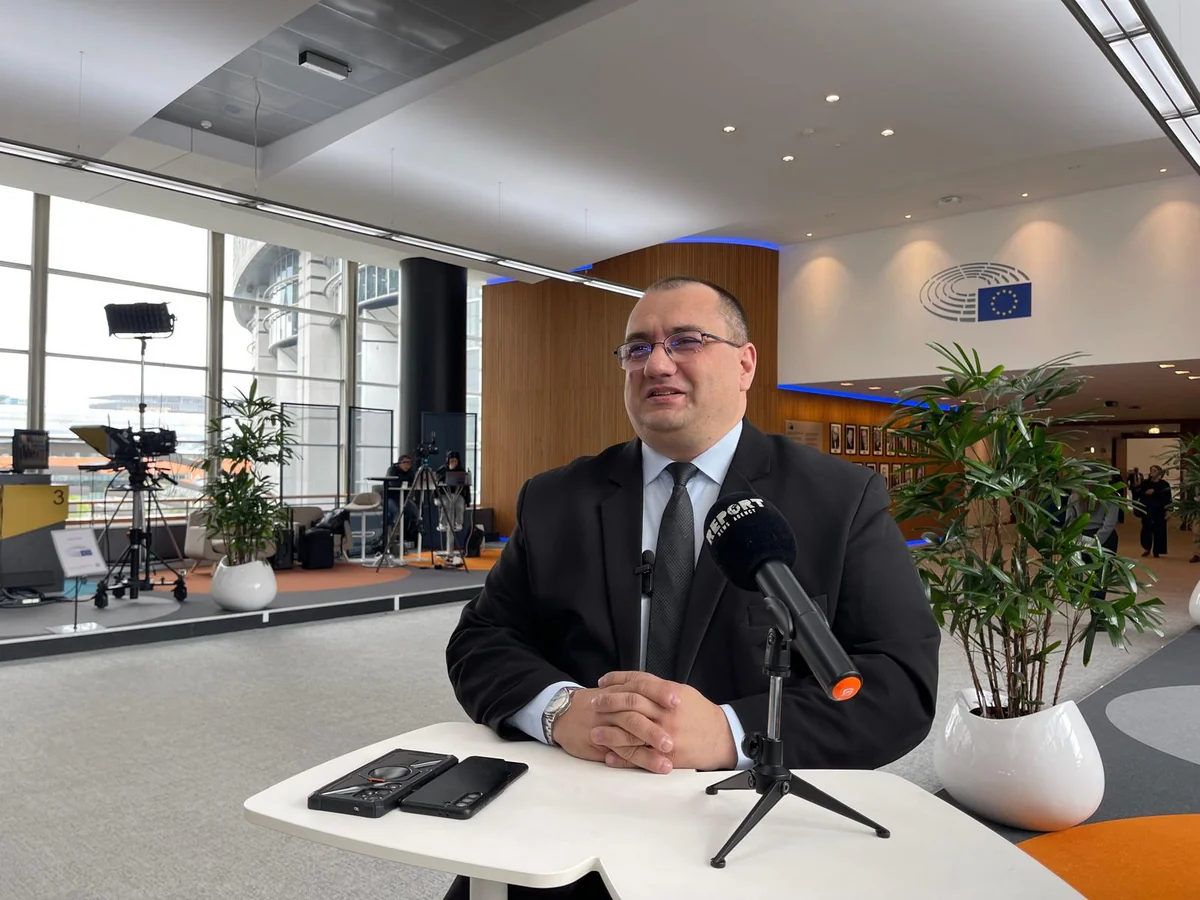
Mr Terheș is a member of the Committee on Foreign Affairs (AFET) and a member of the Bureau of the European Conservatives and Reformists (ECR) group. In addition, during his 2019–2024 term, he served on the delegation to the Euronest Parliamentary Assembly. His office contains numerous folders with maps of the South Caucasus, as well as the region's energy and transport corridors. This explains his interest in the region and his understanding of its specific characteristics.
In an interview with us, Terheș elaborated on his position, discussed the importance of restoring dialogue between Baku and the European Parliament, highlighted Azerbaijan's strategic role in Europe's connectivity and energy security, and shared his views on the Middle Corridor and the future of cooperation between the European Union and the South Caucasus.
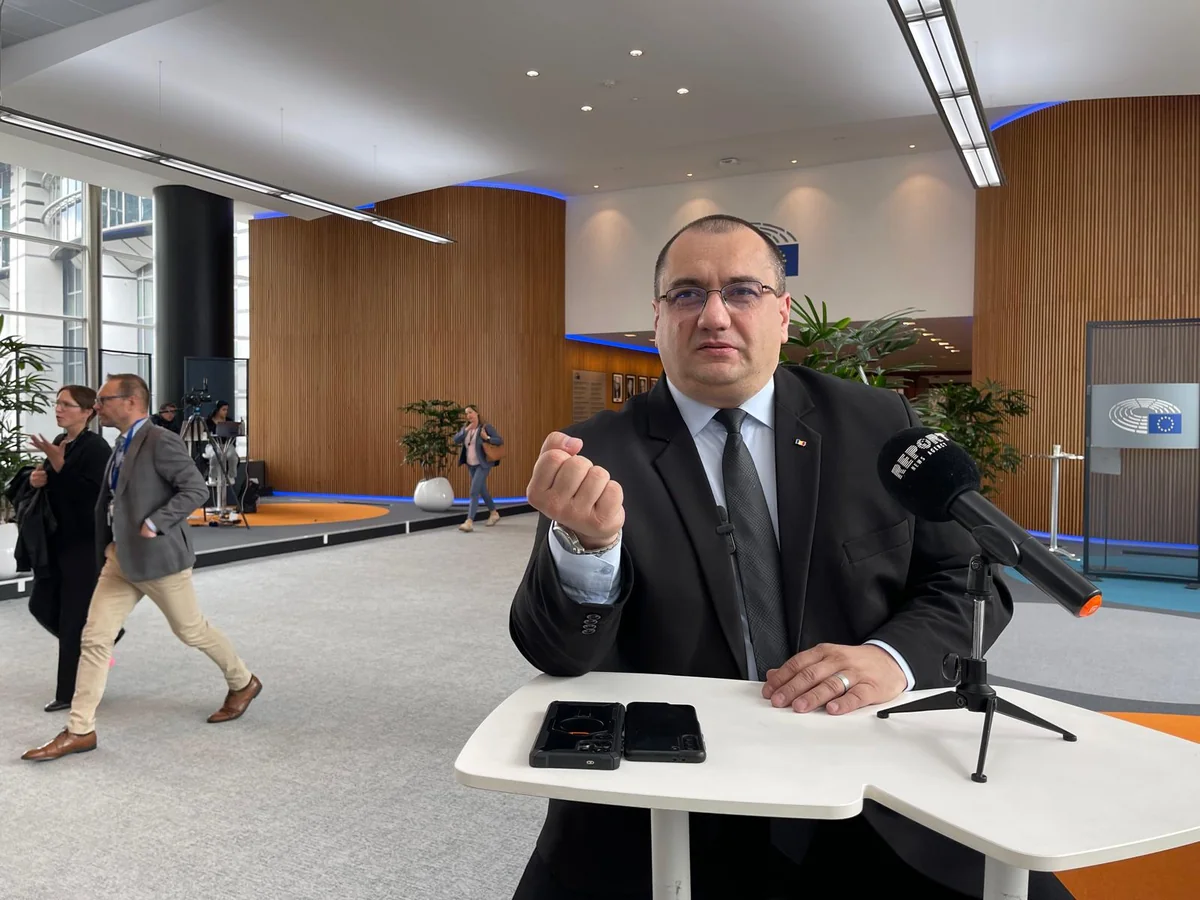
- In your recent speech in the European Parliament, you argued that Parliament's approach towards Azerbaijan has been counterproductive. What specifically do you believe European institutions are getting wrong in their policy towards Azerbaijan?
- Throughout my time in the European Parliament, whether in committee work, negotiations, or as a rapporteur and shadow rapporteur, I have consistently supported Azerbaijan. I do so because Azerbaijan is an important country, a strategic partner of the European Union, and a particularly important partner for Romania.
There is also a strong historical dimension to this relationship. In 1995, President Heydar Aliyev visited Romania and emphasized Azerbaijan's role as a crossroads between Asia and Europe. He saw Romania as a key endpoint of the corridor passing through the South Caucasus. Romania was also the second country, after Türkiye, to recognize Azerbaijan's independence following the collapse of the Soviet Union.
The debate we had in Parliament in May focused on the fact that relations between the Azerbaijani Parliament and the European Parliament are currently frozen. I understand why Azerbaijan reacted as it did. I said publicly that it was neither correct nor fair to include criticism of Azerbaijan in a resolution focused on Armenia. It was neither the right place nor the right time.
At the same time, I believe there is still insufficient understanding among many European policymakers of Azerbaijan's importance and of the realities in the South Caucasus. Every five years, almost half of the members of the European Parliament are replaced. Experienced lawmakers who understand the region often leave, while new members arrive with limited knowledge of its history, challenges, and strategic significance. As a result, explaining the importance of Azerbaijan and of the wider region is a continuous effort.
We cannot change the past, but we can focus on restoring dialogue, partnership, and trust. It is important that members of the European Parliament better understand both Azerbaijan's importance to Europe and Europe's importance to Azerbaijan. That understanding is essential if we want to build a more constructive relationship going forward.
- Azerbaijan decided to suspend cooperation with the European Parliament. What practical steps could help restore dialogue and rebuild trust?
- I believe we need to begin with informal dialogue and engagement. We must honestly discuss the concerns that led to the current situation and ensure that members of the European Parliament understand the strategic importance of the region.
The South Caucasus matters for Europe's energy security, economic cooperation, connectivity, and peace. Azerbaijan and Armenia are working hard toward a peace agreement, which we fully support. The regional transport corridors under development can play a fundamental role in sustaining peace and prosperity.
What happened in the past should be acknowledged, but we must focus on moving forward. We have an opportunity to make history. I have been one of the strongest critics of the approach that contributed to this breakdown in relations, and I will continue working to help restore cooperation between the European Parliament and the Parliament of Azerbaijan.
- You have criticized what you describe as a tendency toward ideological pressure and political condemnation in EU foreign policy. How should the EU balance its values-based agenda with strategic geopolitical interests?
- Too often, people speak about "values" without clearly defining what they mean. There is no universally agreed list of these. Different societies may prioritize different values based on their history and development.
What should unite us is a rules-based international order. The post-World War II system is built on rules that are concrete, written, and understandable to everyone. Behind those rules are values, of course, but rules provide a more stable basis for cooperation.
When engaging with countries such as Azerbaijan or Georgia, the European Union must recognize that these societies have their own histories, identities, and traditions. We do not have to agree on every issue in order to cooperate. Differences do not automatically make one side right and the other wrong.
Diplomacy exists precisely to manage disagreements. Constant public criticism is not an effective way to build strong partnerships. No country is perfect, including those within the European Union. We should focus on dialogue, mutual respect, and practical cooperation rather than repeatedly condemning partners in public resolutions.
- Azerbaijan is often described as an essential partner for Europe's energy security and connectivity. How important is Azerbaijan for the European Union's long-term strategic interests?
- Azerbaijan is strategically important for several reasons. It is an energy partner, a connectivity partner, and a bridge between Europe and Asia. The country occupies a unique geographical position and plays a vital role in regional transportation and trade networks.
Beyond economics, Azerbaijan also contributes to broader regional stability and cooperation. It has strong relationships with countries across the South Caucasus and Central Asia and can serve as an example of interfaith coexistence and regional integration.
The relationship between the European Union and Azerbaijan should therefore be viewed through a long-term strategic lens. Both sides have much to gain from close cooperation.
- The Middle Corridor is increasingly discussed as a key route linking Europe and Asia. What role do you see Azerbaijan playing in its development?
- Azerbaijan occupies an irreplaceable position within the Middle Corridor. To its north is Russia and to its south is Iran. Geographically, there is no realistic substitute for Azerbaijan in this route.
As Europe increasingly seeks alternatives to transport routes passing through Russia, more trade and connectivity will depend on the Middle Corridor. Every country along the route plays a role, but Azerbaijan remains indispensable.
The corridor is not only an economic project; it is also a peace project. The European integration process itself began after World War II when leaders realized that prosperity and economic cooperation could help prevent future conflicts. The same principle can apply in the South Caucasus.
By strengthening trade, connectivity, and shared economic interests, the Middle Corridor can contribute to long-term peace and stability in the region. This is why efforts to advance regional cooperation and conclude a peace agreement between Azerbaijan and Armenia are so important.
- What should the European Union do to support the further development of the Middle Corridor and regional connectivity projects?
- The European Union should recognize the strategic significance of the Middle Corridor and engage constructively with the countries involved. Supporting connectivity projects, strengthening economic cooperation, and encouraging regional partnerships can contribute both to prosperity and to stability.
The EU should also maintain active political engagement with the region. Connectivity and peace are closely linked, and projects that deepen economic interdependence can help sustain long-term stability.
- In your view, what are the main risks for the European Union if relations with Azerbaijan continue to deteriorate?
- Continued deterioration would benefit neither side. The European Union and Azerbaijan need one another, and both would lose opportunities for cooperation if relations continue to worsen.
We need to behave as adults here. If mistakes were made in the past, they should be acknowledged and corrected. But we must also focus on the future and on the opportunities that cooperation can bring.
Political, diplomatic, and economic engagement are essential. If there are disagreements, they should be addressed through dialogue and official channels. Constant criticism does not build durable partnerships.
- Looking ahead, what should be the main priorities of EU policy towards Azerbaijan over the next five years? Do you believe there is sufficient support within the European Parliament for a more pragmatic and constructive approach aimed at rebuilding trust and strengthening cooperation with Azerbaijan?
- The priority should be to rebuild dialogue and strengthen cooperation in areas where our interests clearly converge, including political engagement, economic cooperation, connectivity, energy security, and regional stability.
I am convinced that there is a genuine willingness on both sides to restore dialogue. From what I see in the European Parliament, support for renewed engagement extends well beyond any single political group. I believe there is a broad majority of members across the political spectrum who understand the strategic importance of Azerbaijan and the value of maintaining a constructive relationship.
Azerbaijan has much to offer. It plays a significant role in regional connectivity, maintains strong links with Central Asia and the South Caucasus, and can contribute to economic cooperation and stability across the wider region. It is therefore important that European policymakers hear Azerbaijan's perspective directly and develop a more balanced understanding of the country.
I believe we have far more in common than what divides us. Rather than focusing exclusively on disagreements, we should build on those common interests and continue working together for the mutual benefit of our peoples and nations.
- Finally, what message would you like to convey to people in Azerbaijan?
- It is a great honor to speak to your audience. I would like the people of Azerbaijan to know that they have many good friends in the European Parliament, and I am proud to be one of them.
Author