Baku 23° C
ADB recommends that Azerbaijan tax global and digital businesses
- 02 August, 2024
- 15:19
Stay up to date with the top news!
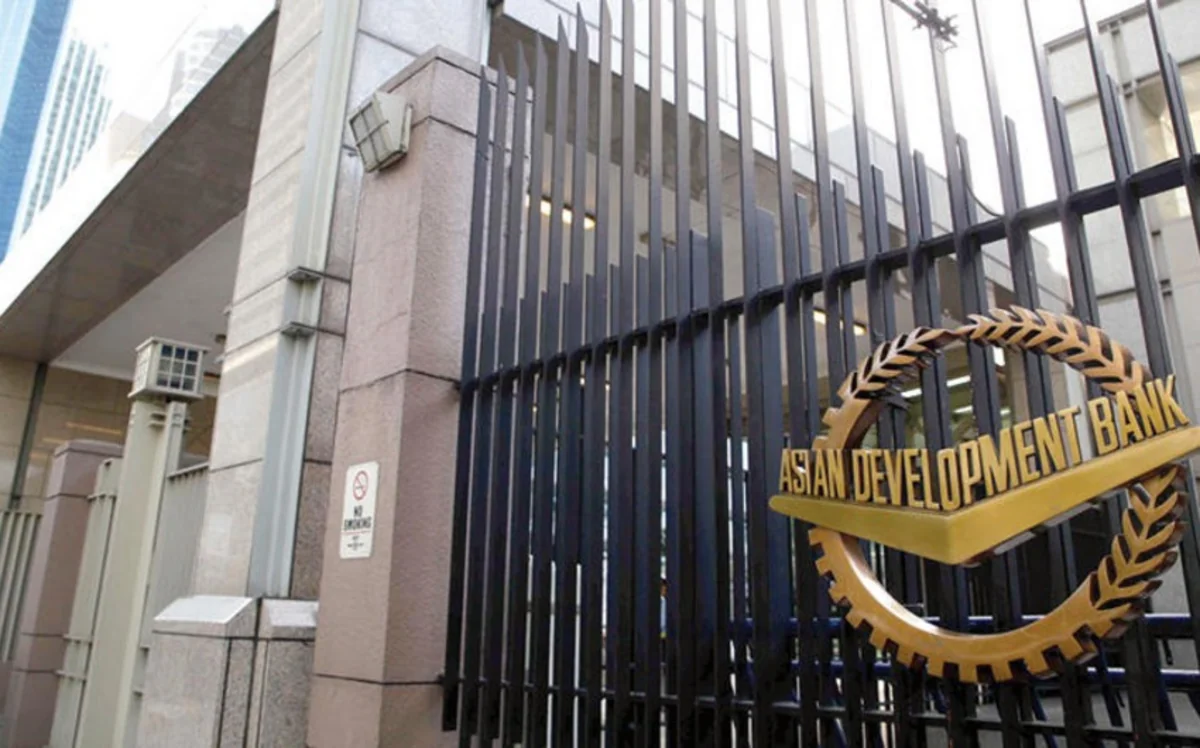
Azerbaijan's tax system still faces key limitations hindering sustainable economic growth, according to a report by the Asian Development Bank (ADB) on the completion of the technical assistance project "Strengthening Tax Policy and Administration Capacity in Azerbaijan."
According to Report, which cites the document, in recent years, the government has consistently received recommendations on possible tax measures to strengthen public finances in a growth-friendly manner. In this regard, ADB proposed to expand both the direct and indirect tax base and reduce widespread exemptions, along with improving tax administration to ensure better compliance with tax collection, including through more effective taxation of higher-wealth individuals, the report states.
ADB analysts believe that rapid globalization and digitalization of financial services, investments, and trade have impacted the tax base.
Tax policy and administration reform should ensure fair and sustainable taxation of global and digital businesses, adapted to economic growth. In this regard, policy dialogues and consultations should continue with a longer-term perspective to address governance and capacity issues in tax policy and administration, the report says, adding that furthermore, support for knowledge and innovative solutions that align with ADB's operational dialogue with a clear strategic agenda and implementation plan is necessary.
According to the report, Azerbaijan's tax revenue-to-GDP ratio declined from 11.6% in 2016 to 9.9% in 2017 and 9.3% in 2018, lower than comparable countries in Central and West Asia – 25.7% for Georgia and 19.8% for Kyrgyzstan in 2017, and an average of 17.3% for Asia and the Pacific.
The document says that the state budget's dependence on oil revenues has made the economy vulnerable to external shocks. It further notes that recognizing this issue, the government has focused on strengthening tax policy and administrative capacity in non-oil sectors and implemented several tax reforms. A more detailed diagnostic review of Azerbaijan's tax administration capacity was conducted in July 2019.
The technical assistance was designed to help develop expertise and processes for improving administration in each of the agreed areas and to support the State Tax Service's (STS) goals under the Ministry of Economy of Azerbaijan in developing a sustainable tax system by providing: modern and improved services for taxpayers, especially for entrepreneurs; reducing compliance costs; effective tools for regulating business activities; and a qualified and professional workforce. Areas of coverage include human resource management, taxpayer compliance with tax legislation, as well as analysis and modeling of tax revenues.
Technical assistance also provided support in developing capacity building plans.
Technical assistance was budgeted at $600,000, but $498,757 (83%) of these funds were utilized. Thus, out of the $500,000 allocated through the e-Asia and Knowledge Partnership Fund of Korea (EAKPF), $419,360 were used. The ADB Special Technical Assistance Fund (TASF) allocated $100,000, of which $79,400 were used.
As noted by ADB, EAKPF was involved in the project because this technical assistance aligns with the goals of e-Asia programs and knowledge partnerships to enhance the capacity of the State Tax Service in terms of improving services for taxpayers, fiscal modeling, and workforce professionalization. In 2022, the project was expanded to include a focus on strengthening international taxation policy and administration.
Author